


 Deutsch
 English
 Español
 Français
 Nederlands
 Português


 Share
Share




What is the Yoon Suk-yeol Life Sentence Case?
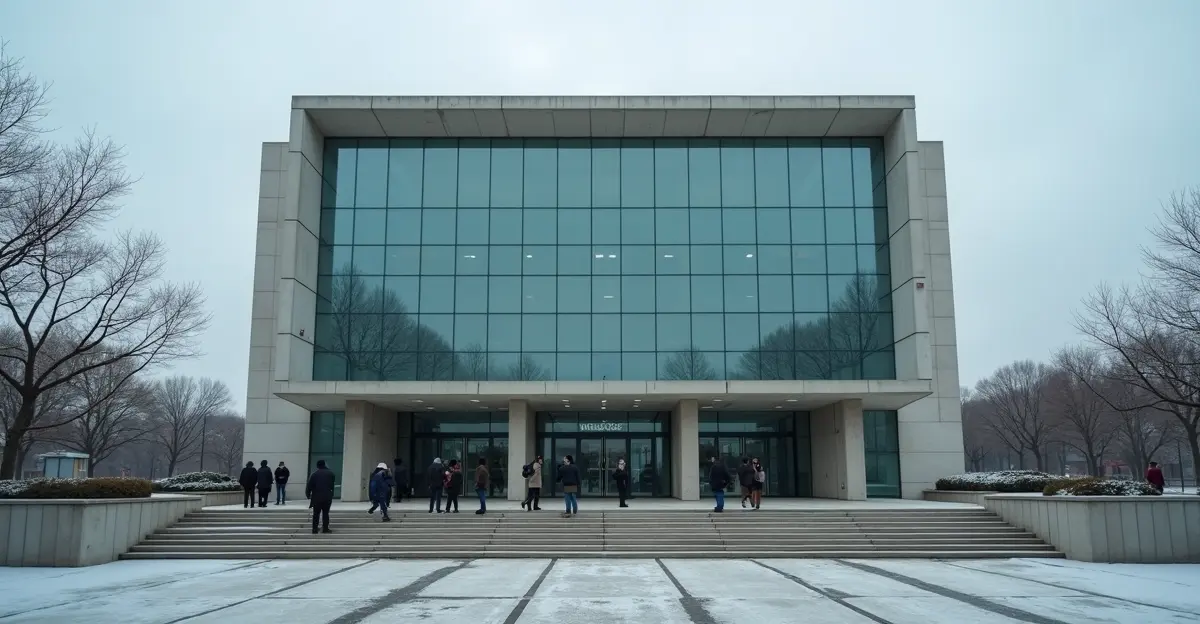
Former South Korean President Yoon Suk-yeol has been sentenced to life imprisonment for leading an insurrection during his controversial declaration of martial law in December 2024. The landmark verdict, delivered on February 19, 2026, by the Seoul Central District Court, marks a dramatic conclusion to a 443-day legal process that began with Yoon's attempt to seize unchecked power by deploying troops to blockade the National Assembly. The 65-year-old conservative leader becomes the first former South Korean president to receive a life sentence since military dictator Chun Doo-hwan in 1996, cementing this case as one of the most significant political trials in the nation's modern history.
Background: The 2024 Martial Law Crisis
The crisis began on December 3, 2024, when President Yoon Suk-yeol declared martial law, accusing the opposition Democratic Party of 'anti-state activities' and suspending the National Assembly. Yoon imposed media restrictions and ordered arrests of political opponents, including current President Lee Jae Myung, in what was widely seen as an attempted self-coup to establish authoritarian rule. The move plunged South Korea into political chaos, with the nation facing its most severe constitutional crisis since democratization in 1987.
Remarkably, within six hours of the declaration, 190 legislators defied military blockades and unanimously voted to lift martial law, forcing Yoon to rescind the declaration by 4:30 AM on December 4. This rapid parliamentary response prevented what could have become a full-blown authoritarian takeover, similar to historical events like the 1979 South Korean coup attempt that reshaped the nation's political landscape.
Key Events in the Legal Process
From Arrest to Impeachment
The legal proceedings against Yoon unfolded rapidly following the failed martial law attempt:
- January 15, 2025: Yoon became the first sitting president in South Korean history to be arrested
- April 4, 2025: Constitutional Court unanimously upheld Yoon's impeachment and removal from office
- June 2025: Snap election elected Lee Jae Myung as president
- December 2025: Special counsel investigation concluded
- January 2026: Prosecutors sought death penalty for Yoon
- February 19, 2026: Court sentenced Yoon to life imprisonment
The Court's Findings
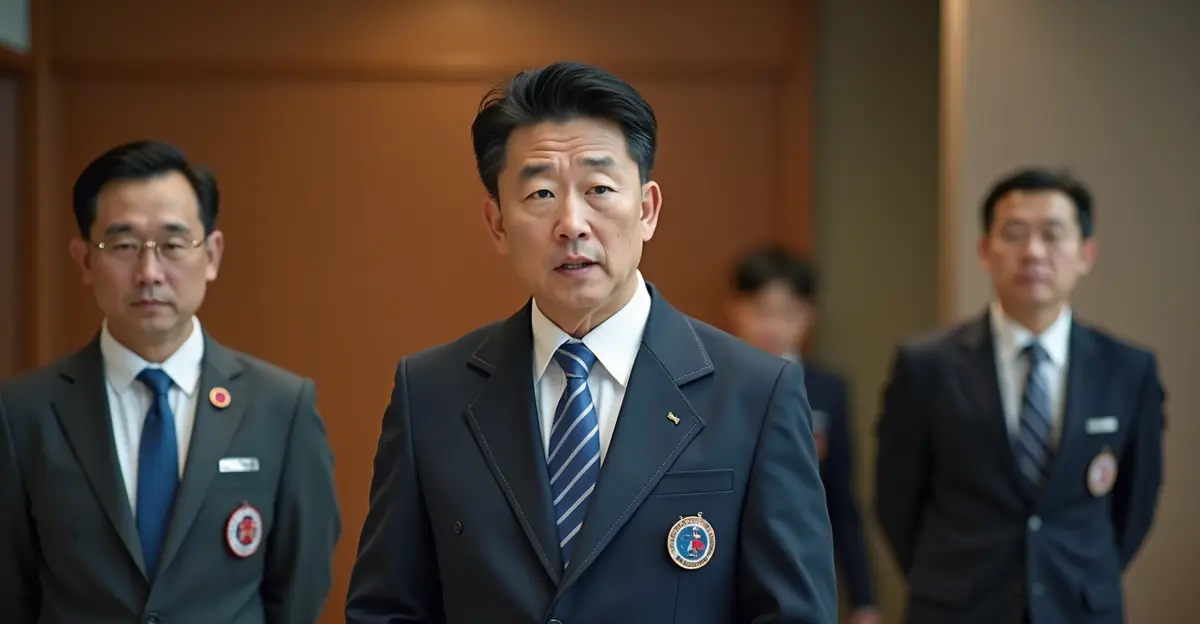
Presiding judge Jee Gwi-yeon stated that Yoon's actions amounted to an intentional plot to usurp power, mobilize security forces illegally, detain politicians, and claim unchecked authority. The court found that the heart of the case was Yoon's decision to send troops to the National Assembly to hinder the legislature, though it cited mitigating circumstances that the scheme wasn't carefully orchestrated and force was limited.
'Yoon showed no remorse for the enormous social costs caused by his declaration of martial law,' Judge Jee noted in the verdict. 'His actions represented a direct assault on South Korea's constitutional order and democratic institutions.'
Other Convictions and Sentences
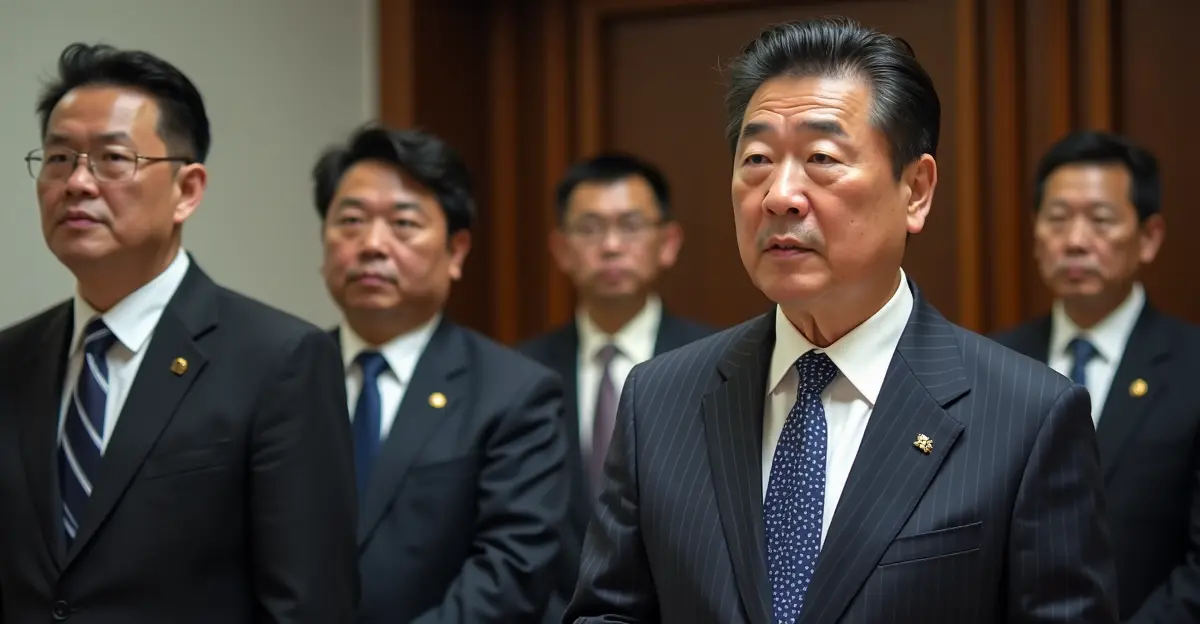
The court also handed down significant sentences to other officials involved in the martial law attempt:
| Official | Position | Sentence |
|---|---|---|
| Kim Yong-hyun | Former Defense Minister | 30 years |
| Han Duck-soo | Former Prime Minister | 23 years |
| Five other officials | Various government roles | 5-15 years |
These convictions demonstrate the comprehensive nature of the legal response to the attempted power grab, similar to how post-authoritarian accountability mechanisms have operated in other transitioning democracies.
Political Implications and Reactions
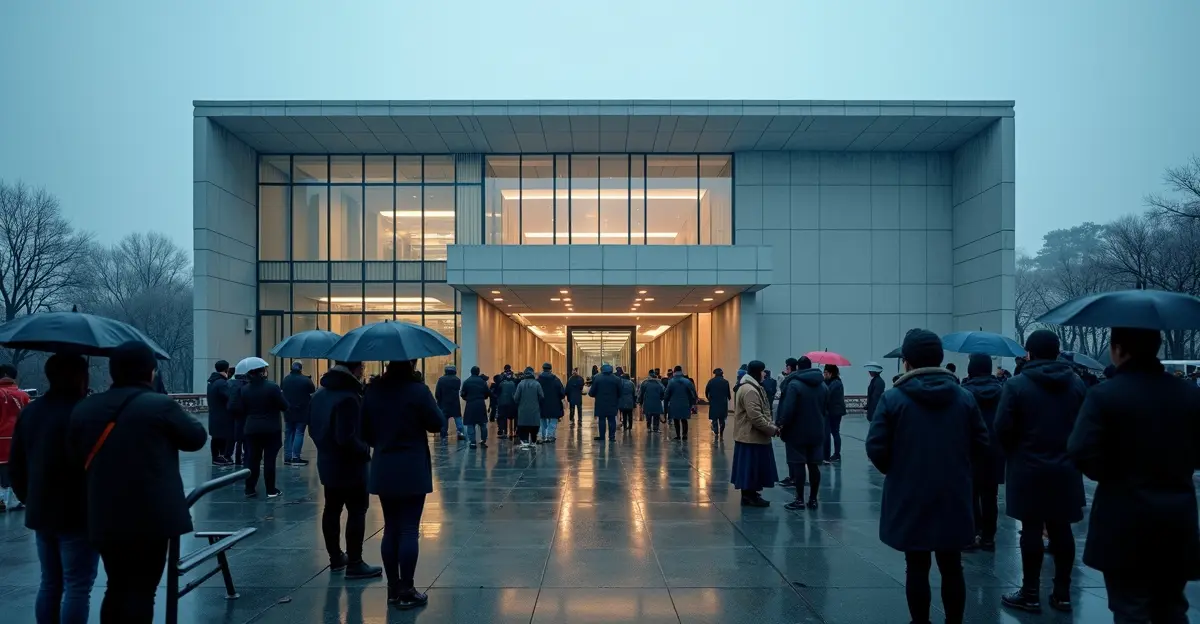
The life sentence has profound implications for South Korean politics and democratic institutions. Current President Lee Jae Myung, who was among those targeted for arrest during the martial law declaration, praised the verdict as 'a victory for constitutional democracy and the rule of law.' However, Yoon's supporters protested outside the court, waving flags and chanting 'let President Yoon free,' highlighting the deep political divisions that persist in South Korean society.
The trial involved 43 hearings and 160 witnesses over 443 days, making it one of the most extensive legal proceedings in South Korean history. The court's decision to impose life imprisonment rather than the death penalty sought by prosecutors reflects careful consideration of both the severity of the crimes and the need for proportional justice in a democratic society.
Historical Context and Significance
Yoon's life sentence places him in a unique position in South Korean history. While several former presidents have faced legal troubles, including Park Geun-hye who received a 20-year sentence in 2018, Yoon is the first to receive a life sentence for insurrection charges. This verdict reinforces South Korea's commitment to holding leaders accountable, even after they leave office, and represents a significant milestone in the nation's ongoing democratic consolidation.
The case also highlights the resilience of South Korea's democratic institutions, particularly the National Assembly and judicial system, which successfully resisted an attempted power grab and ensured legal accountability. This stands in contrast to authoritarian backsliding trends observed in some other democracies worldwide.
Frequently Asked Questions
What exactly did Yoon Suk-yeol do to receive a life sentence?
Yoon declared martial law on December 3, 2024, deployed troops to blockade the National Assembly, ordered arrests of political opponents, and attempted to establish unchecked presidential authority. The court found him guilty of leading an insurrection against South Korea's constitutional order.
How long did the martial law declaration last?
The martial law declaration lasted approximately six hours before being overturned by the National Assembly. Legislators defied military blockades and unanimously voted to lift martial law in the early morning of December 4, 2024.
Can Yoon Suk-yeol appeal the life sentence?
Yes, Yoon can appeal the verdict to higher courts. His legal team has indicated they will pursue all available legal avenues to challenge the conviction and sentence.
What happens to former presidents who receive life sentences in South Korea?
Yoon will serve his sentence in a designated prison facility. At age 65, he faces the prospect of spending the remainder of his life in prison unless his sentence is reduced through appeals or presidential pardon in the future.
How does this compare to other former South Korean presidents' legal troubles?
Yoon's life sentence is the most severe punishment given to a former South Korean president. Previous presidents like Park Geun-hye received 20 years for corruption, while military dictator Chun Doo-hwan initially received death (commuted to life) for his role in the 1979 coup and 1980 Gwangju massacre.
Follow Discussion