


 Deutsch
 English
 Español
 Français
 Nederlands
 Português


 Share
Share




What is Trump's Wrecking-Ball Politics?
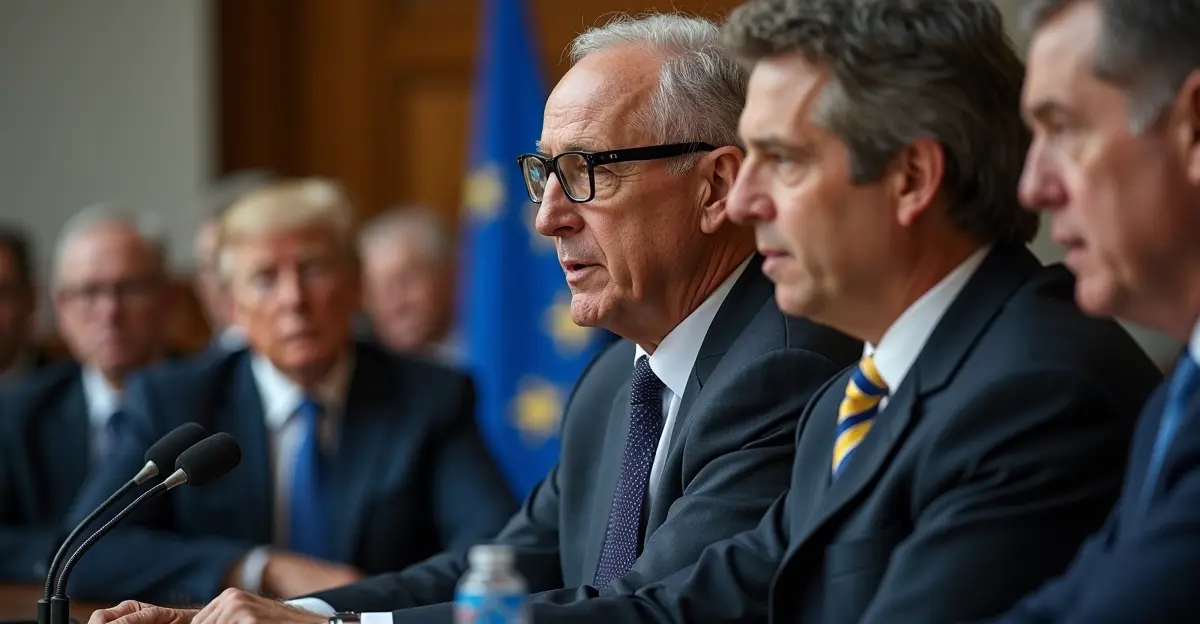
European leaders are gathering at the Munich Security Conference in February 2026 to formulate a response to what they term President Donald Trump's 'wrecking-ball politics' - an approach that threatens to dismantle the post-1945 international order and strain transatlantic relations. With Secretary of State Marco Rubio leading the U.S. delegation instead of Trump himself, European officials are bracing for another tense encounter following last year's dramatic conference where Vice President JD Vance left European allies 'in shock' with his criticism of European priorities.
Europe's Tense Wait for Rubio's Munich Address
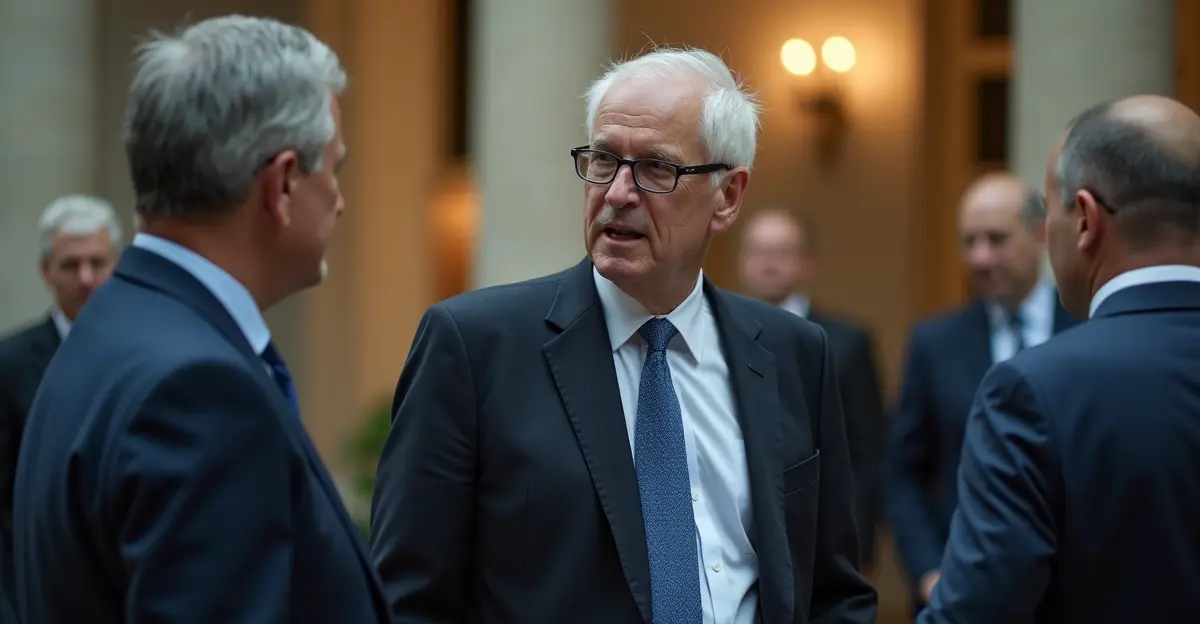
The Munich Security Conference, one of the world's most important annual gatherings of security policymakers, has opened with palpable tension as European leaders await Rubio's address. 'People are nervous about what the American foreign minister is going to say,' observes Bob Deen, a researcher at the Clingendael Institute who attended both the 2025 and 2026 conferences. 'Last year was an ice bucket that was poured out. This year, we're better prepared, but the Americans remain unpredictable.'
European officials have been particularly unnerved by Trump's recent comments about taking Greenland from Denmark and his administration's characterization of European allies. The Munich Security Report 2026 explicitly warns that Trump represents a 'demolition' force against established international norms, describing his approach as 'wrecking-ball politics' that risks dismantling long-standing alliances.
The 2025 Vance Speech: A European Nightmare
Last year's conference left deep scars when Vice President Vance told European leaders to focus less on external threats like Russia and China and more on internal dangers including 'mass migration' and 'censorship.' Conference chairman Christoph Heusgen broke down in tears during his closing speech, calling the 2025 edition 'a European nightmare.' This year, European delegations arrive with adjusted expectations and strategies.
European Far-Right's Cooling Affection for Trump
One of the most significant developments since last year's conference has been the cooling relationship between European far-right parties and Trump's MAGA movement. Initially enthusiastic about their new American ally, European populist parties are increasingly distancing themselves from the U.S. president. 'It's a dilemma for the far right,' explains Matthijs Rooduijn, professor at the University of Amsterdam. 'They share Trump's core message of putting their own group first, but when Trump wants to protect America with import tariffs, smaller countries suffer. That creates tensions.'
The European populist parties that once eagerly sought Trump's endorsement now find themselves in a difficult position. Leaders like Italy's Giorgia Meloni, France's Jordan Bardella, and even Britain's Nigel Farage are maintaining contact with Trump while trying to keep their distance publicly, as growing portions of their constituencies disapprove of the American president.
America's New European Friends
Following last year's conference, the Trump administration actively sought new alliances with Europe's far-right movements. Vice President Vance visited Alice Weidel, leader of Germany's Alternative für Deutschland (AfD), and the U.S. security strategy explicitly encourages support for 'patriotic European parties.' However, this courtship has created complications for both sides, particularly as European migration policies remain a point of contention.
Rubio's Diplomatic Approach vs. Trump's Disruption
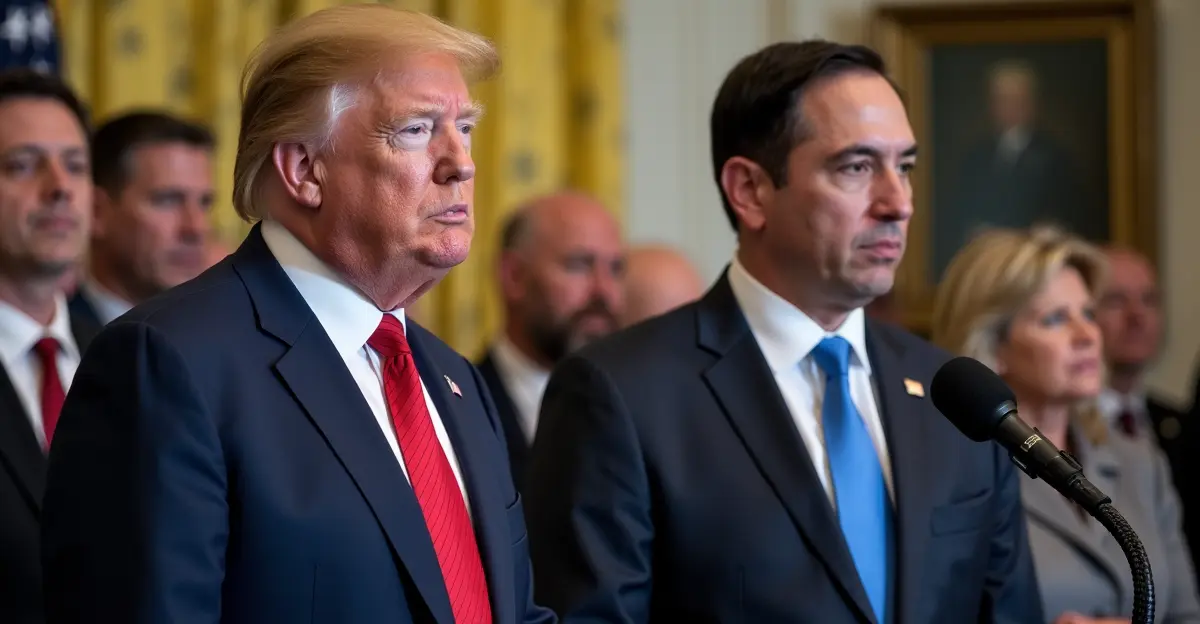
Secretary of State Marco Rubio represents what European officials hope will be a more traditional diplomatic approach compared to Trump's disruptive style. In his pre-conference briefing, Rubio emphasized that 'the old world is gone' and that a new era requires reexamination of alliances and roles. However, he also reaffirmed U.S. commitment to ending the war in Ukraine and plans to meet with Ukrainian President Zelenskyy during the conference.
Rubio's foreign policy represents a significant shift toward an 'America First' approach focused on national interests rather than universal values promotion. Key elements include pushing for negotiated settlements in Ukraine without dictating terms, establishing a 'Board of Peace' for Gaza, and overhauling foreign aid through strategic compacts rather than open-ended grants.
Europe's Strategic Response to American Unpredictability
European leaders have spent the past year developing more robust responses to American unpredictability. 'There has really been some change in our attitude toward the U.S.,' notes Deen. 'No one is gasping for breath anymore, we don't let everything slide anymore.' This represents a significant shift from Europe's traditionally more deferential posture toward its transatlantic partner.
The Munich Security Report 2026 offers stark language about Europe's necessary response: 'In an era of wrecking-ball politics, those who passively watch constantly risk going under. Given the amount of demolition work already underway, it is not enough to only react and try to restore the old status quo. Too much is at stake. In fact, everything is at stake.'
Key Issues on the Munich Agenda
- Transatlantic relations and NATO's future under Trump's leadership
- Russia's ongoing war in Ukraine and U.S. commitment to European security
- China's growing global influence and technological competition
- Iran and Venezuela's regional destabilization efforts
- European strategic autonomy and defense cooperation
FAQ: Europe's Response to Trump's Wrecking-Ball Politics
What is wrecking-ball politics?
Wrecking-ball politics refers to President Trump's approach to foreign policy that seeks to dismantle established international institutions and alliances in favor of transactional bilateral relationships based on immediate American interests.
Why isn't Trump attending the Munich Security Conference?
President Trump is not attending the 2026 Munich Security Conference, instead sending Secretary of State Marco Rubio with a large delegation. This follows the pattern of his administration where high-level officials rather than the president himself represent U.S. interests at multilateral forums.
How have European far-right parties changed their view of Trump?
European far-right parties that initially embraced Trump as an ally are now distancing themselves as his policies, particularly economic protectionism, conflict with their national interests and their constituents' preferences.
What was the impact of Vance's 2025 Munich speech?
Vice President Vance's 2025 speech shocked European allies by criticizing their focus on external threats and emphasizing internal challenges, leading to what conference organizers called 'a European nightmare' and prompting a year of strategic reassessment.
What is Europe's main concern about Trump's policies?
Europe's primary concern is that Trump's wrecking-ball approach could dismantle the transatlantic security architecture that has maintained European stability since World War II, particularly regarding NATO and collective defense commitments.
Follow Discussion