Nederlands
 English
 Deutsch
 Français
 Español
 Português





Grammy Awards Transform into Political Protest Stage
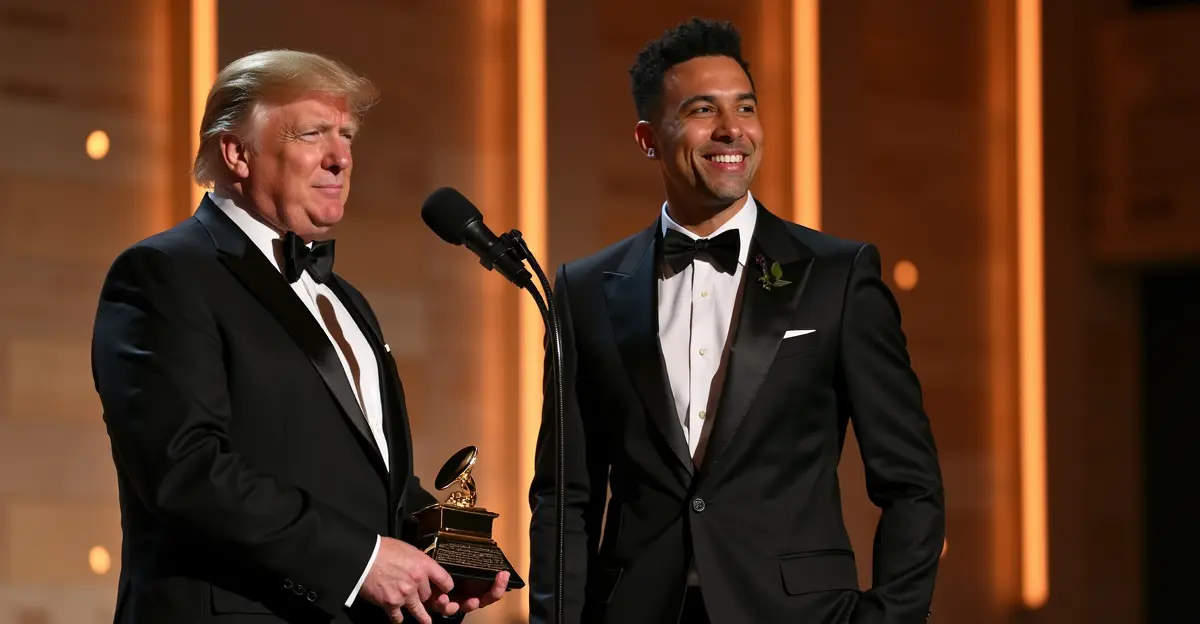
The 68th Annual Grammy Awards, held on February 1, 2026, became a powerful platform for political protest as numerous high-profile artists used their acceptance speeches and red carpet appearances to speak out against former President Donald Trump's immigration policies. In what many are calling one of the most politically charged award ceremonies in recent memory, artists including Bad Bunny, Billie Eilish, Olivia Dean, and Kehlani made bold statements calling for the abolition of Immigration and Customs Enforcement (ICE) and advocating for immigrant rights.
Artists Take a Stand
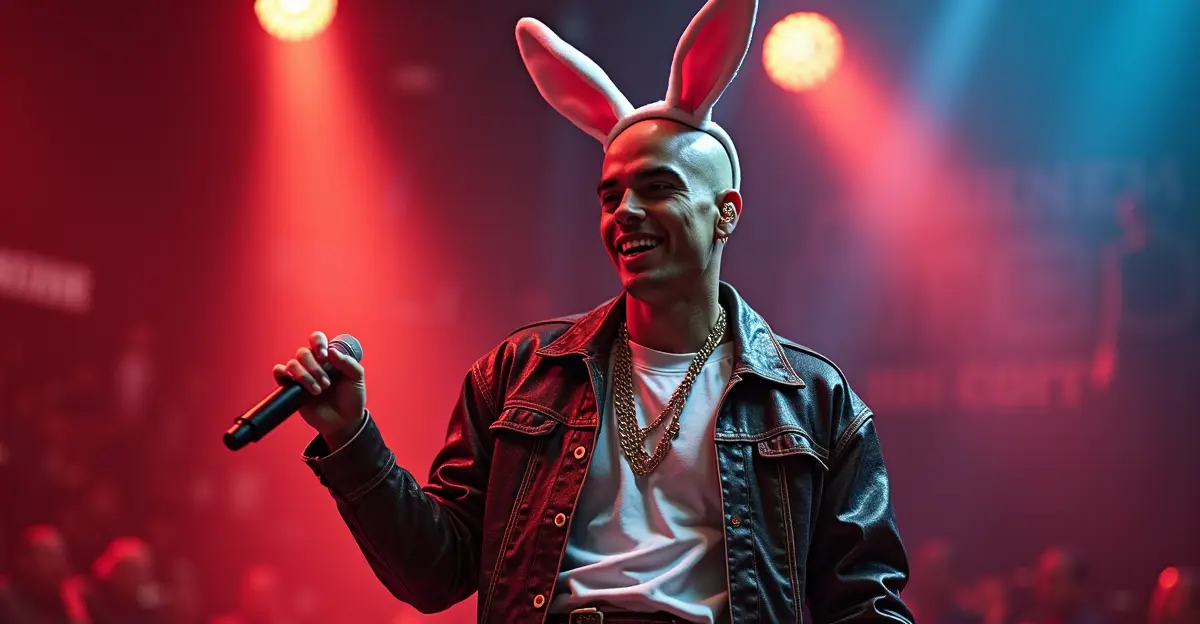
Bad Bunny, who made history as the first Latin artist to win Album of the Year with a Spanish-language album, delivered a powerful speech declaring, 'We're not savages, we're not animals, we're not aliens. We are humans, and we are Americans.' He ended his acceptance with a clear message: 'ICE out!' The Puerto Rican superstar's words echoed throughout the Crypto.com Arena in Los Angeles, receiving thunderous applause from the audience.
Billie Eilish, winner of Song of the Year, went viral when she concluded her speech with 'F*** ICE' and wore 'ICE Out' pins along with her brother Finneas. Olivia Dean, who won Best New Artist, highlighted her immigrant heritage, stating she was 'the granddaughter of an immigrant' and dedicating her award to those fighting for immigrant rights.
Cultural Journalist Weighs In
Loeke de Waal, a Dutch culture journalist based in Los Angeles who covers West Coast culture for Dutch media outlets including NRC Handelsblad, explained the significance of these statements. 'You see that there's a lot of retaliation against people who speak out,' de Waal noted. 'People get lawyers after them. So you are putting something at stake.'
De Waal emphasized that while the Grammy audience might be politically aligned with the artists' views, taking such public stands still requires courage. 'It plays very heavily, it becomes a bigger thing for Americans every day,' she observed about the political climate. 'It's now urgent that you speak out.'
Trump's Response and Legal Threats
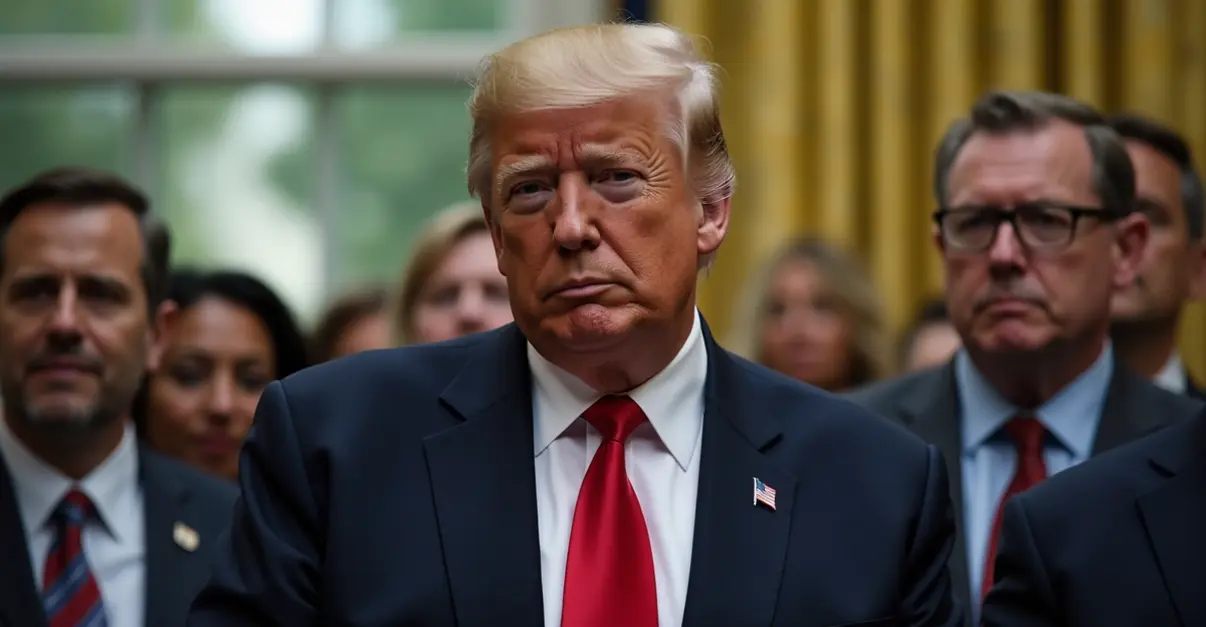
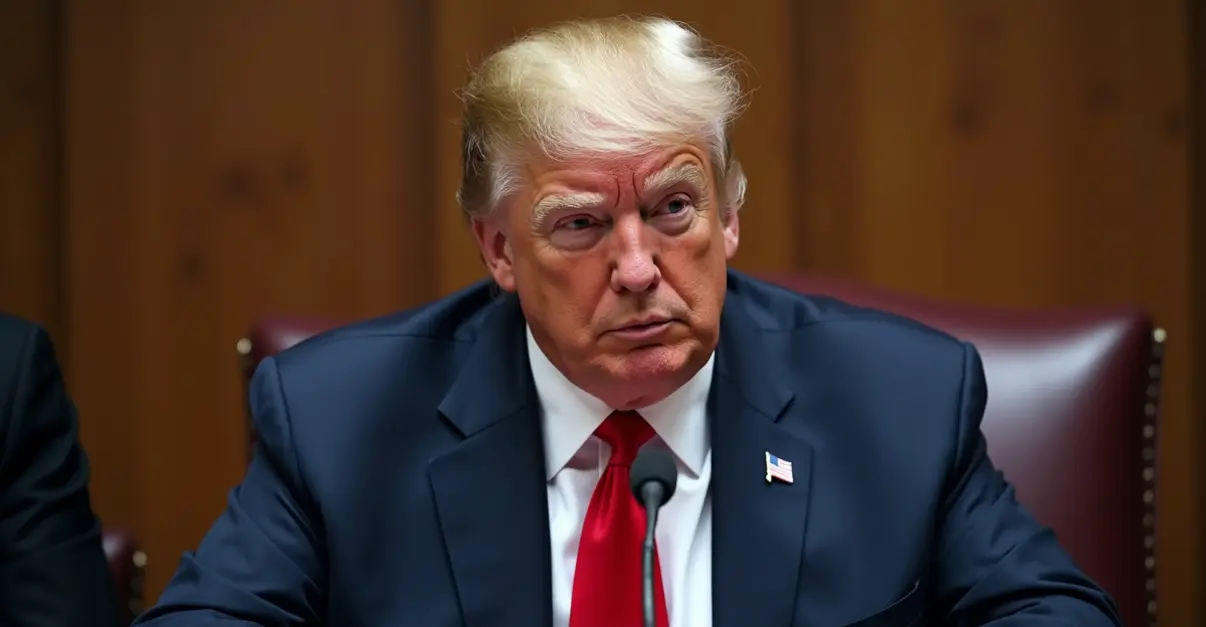
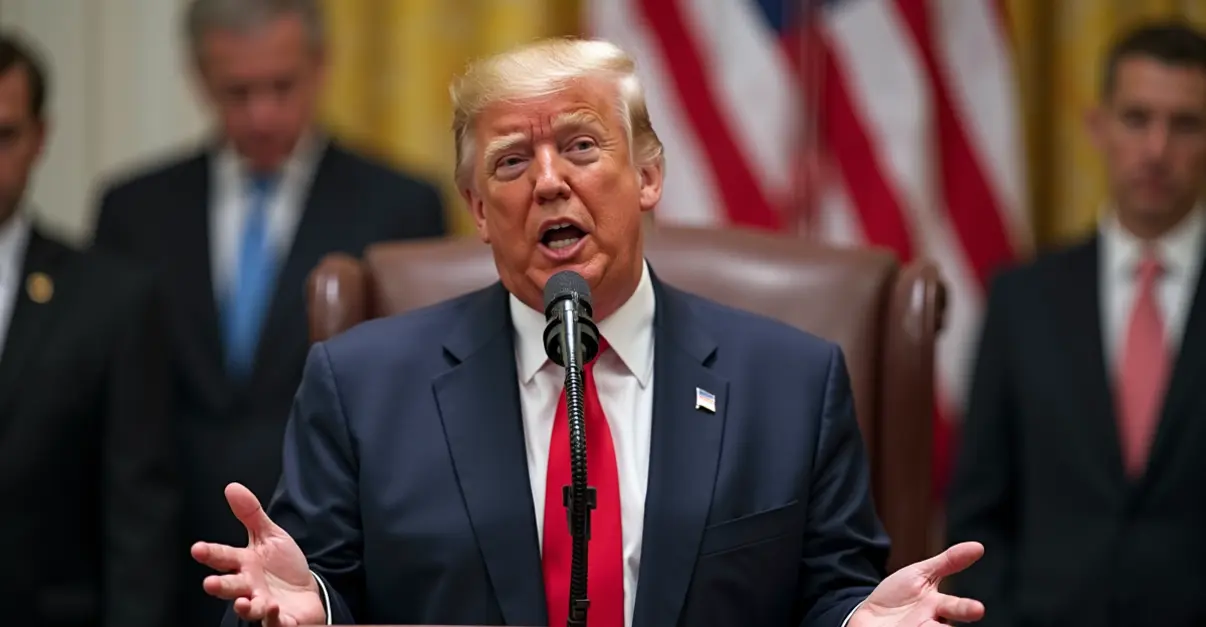
The political statements didn't go unnoticed by former President Trump, who responded angrily on his Truth Social platform. Trump specifically targeted host Trevor Noah, threatening legal action over jokes the comedian made about Trump's alleged connections to Jeffrey Epstein. 'Trevor Noah is a total loser,' Trump wrote, adding that he would sue Noah for 'plenty' of money.
According to CNN reporting, Trump denied ever visiting Epstein's island, claiming he had turned down an invitation. The controversy comes after the Justice Department released over 3 million pages of Epstein-related files containing references to Trump and former President Bill Clinton.
Broader Cultural Significance
De Waal explained why musical artists typically approach political statements more cautiously than their Hollywood counterparts. 'All kinds of music are represented at the Grammys. Also country, also jazz,' she noted. 'And where the Oscars or the Golden Globes are mainly a Hollywood event, music reaches all sides of the political spectrum.'
The journalist pointed out that artists who previously spoke out in the polarized political debate have lost fans, but the effect can work both ways. 'You also see that people on the other side of the political spectrum sometimes start thinking,' de Waal explained. 'So ultimately it does have influence.'
This influence is precisely why Trump cares about these statements rather than ignoring them. 'Yes, it can certainly matter to him,' de Waal concluded.
The 2026 Grammy Awards marked a significant moment in the intersection of entertainment and politics, demonstrating how award shows have evolved into platforms for social commentary and political protest. As reported by Time magazine, the political displays followed recent protests against ICE actions in Minneapolis, where two people were fatally shot by federal agents.