Deutsch
 English
 Español
 Français
 Nederlands
 Português






Supreme Leader Breaks Silence on Protest Death Toll
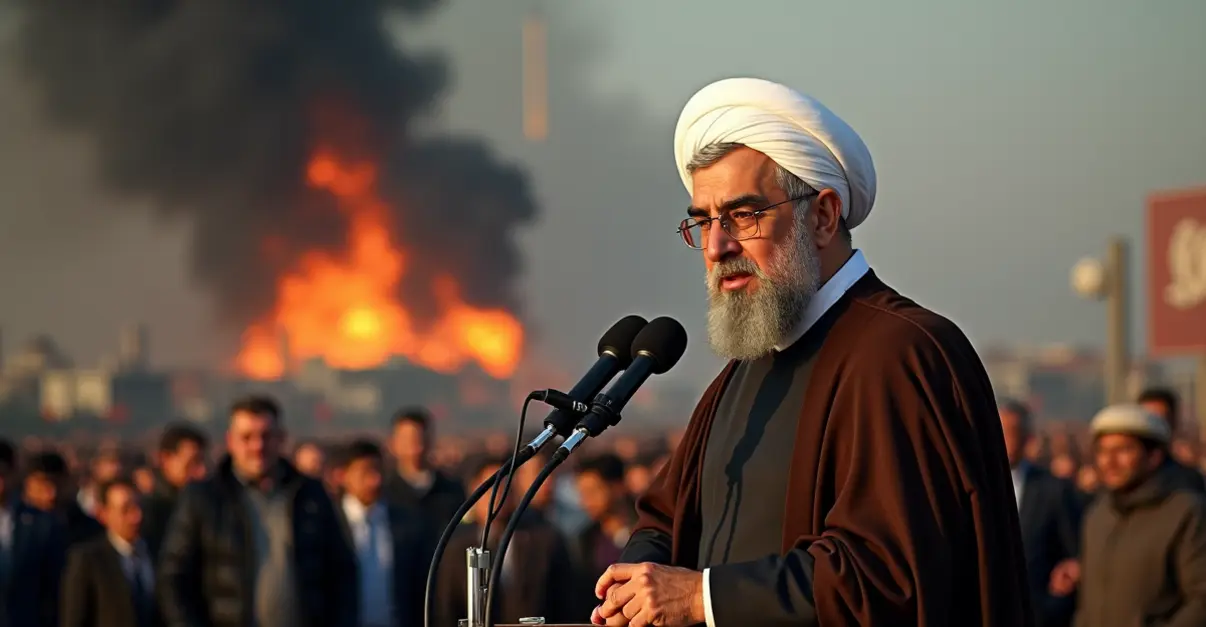
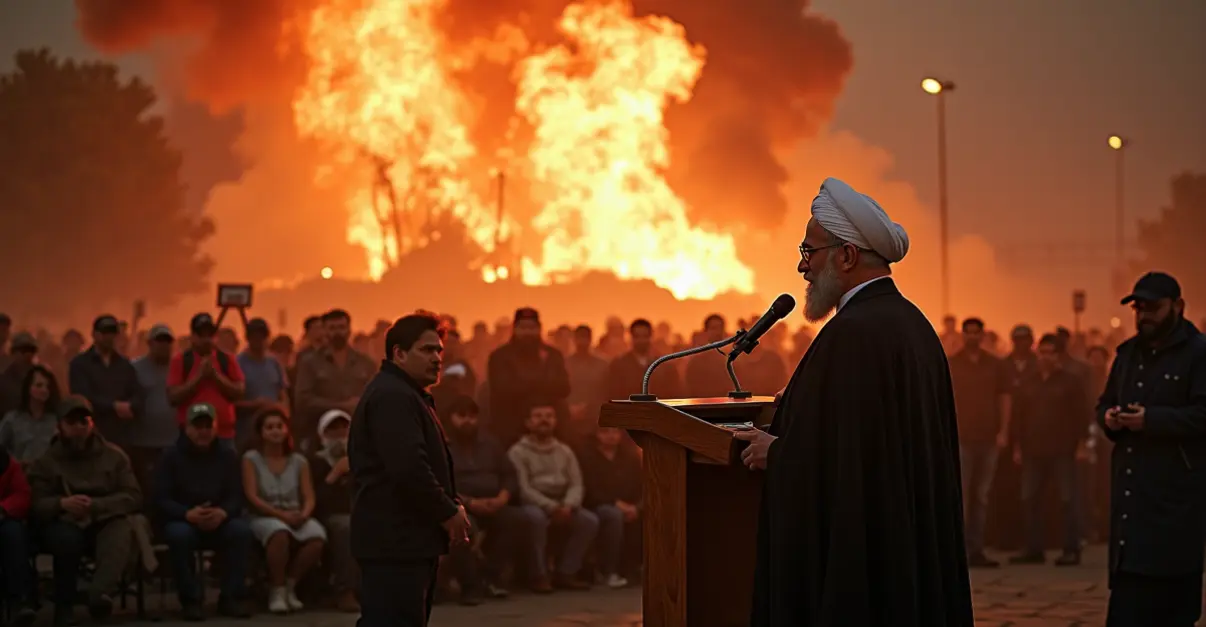
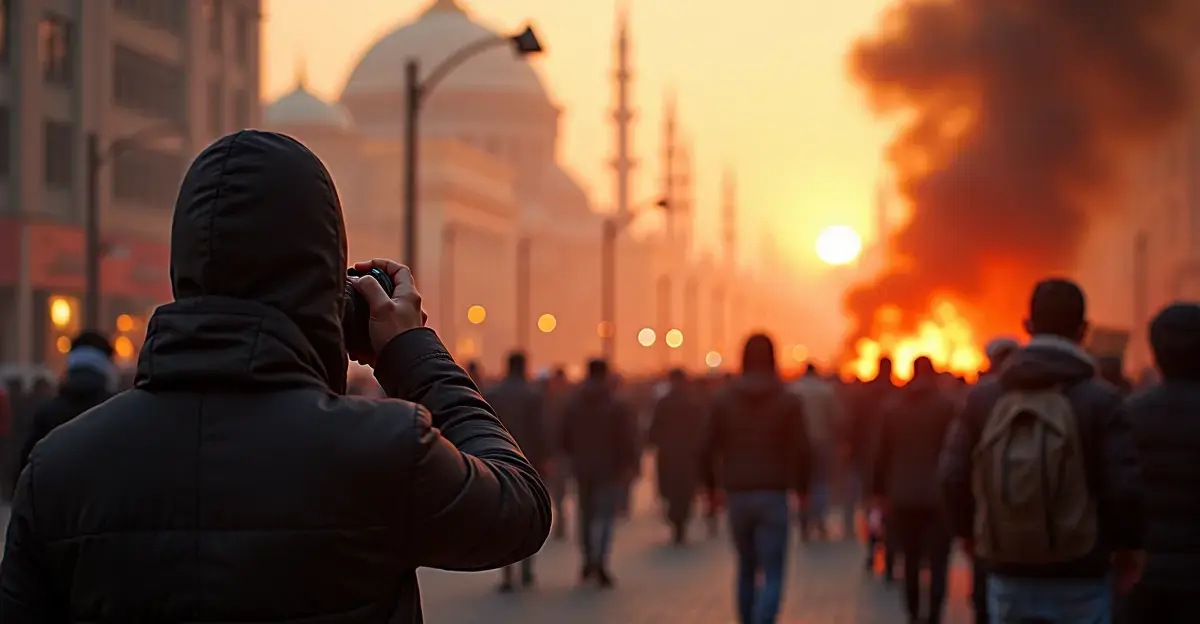
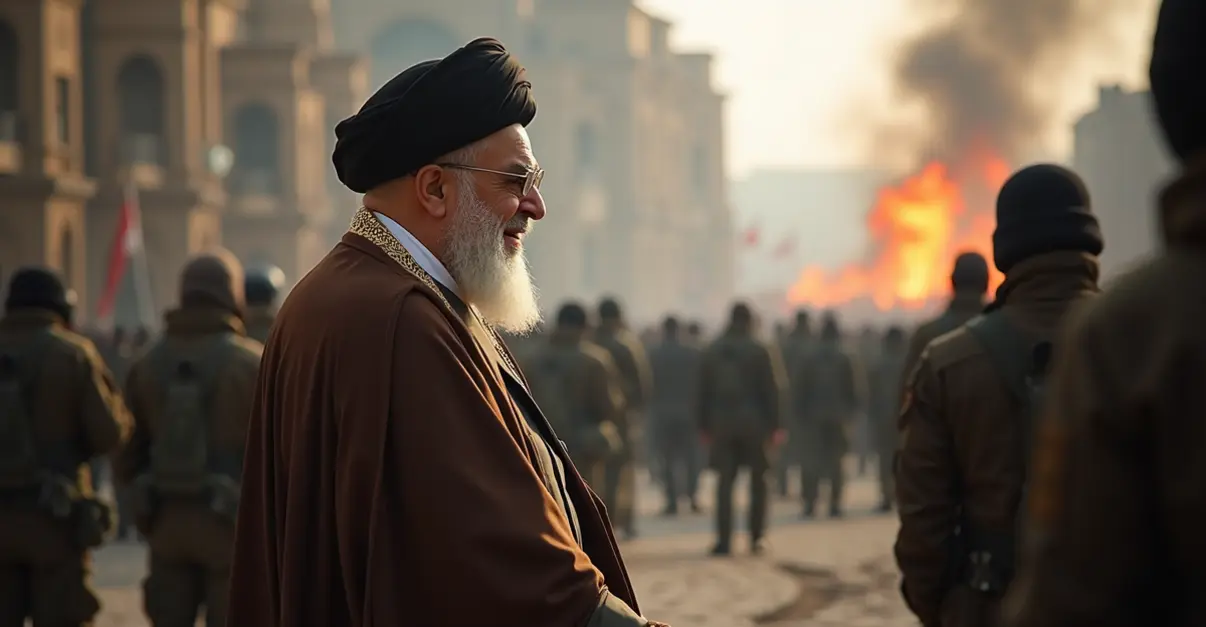
In a rare admission, Iran's Supreme Leader Ayatollah Ali Khamenei has acknowledged that 'thousands' have been killed during recent nationwide protests, marking the first time the country's highest authority has publicly addressed the staggering casualty figures. The statement came during a televised address where Khamenei blamed what he called 'armed rioters' and foreign interference for the violence that has rocked Iran for weeks.
Unprecedented Admission Amid Growing Pressure
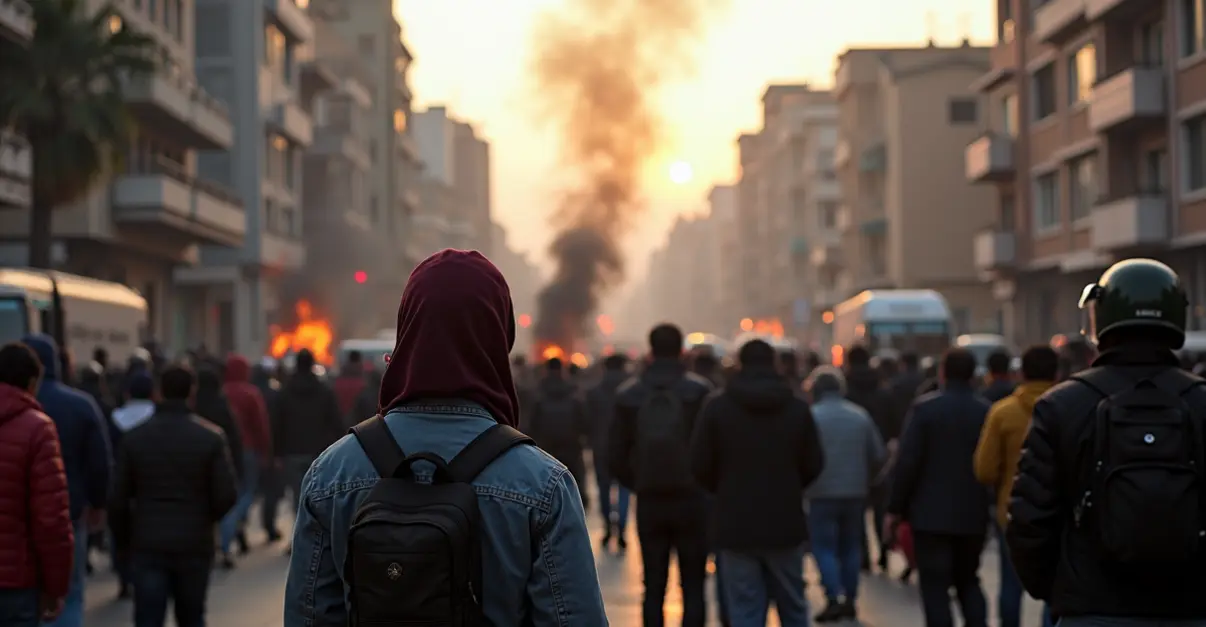
Human rights organizations have been documenting the escalating death toll since protests began on December 28, 2025, with estimates now exceeding 3,000 fatalities according to groups like Reuters. The protests, which started as demonstrations against economic hardship and soaring inflation, quickly evolved into broader anti-government movements demanding regime change.
'Some demonstrators were killed in a brutal and inhumane manner,' Khamenei stated in his address, while simultaneously shifting blame to what he described as foreign-backed saboteurs. He specifically accused former U.S. President Donald Trump of direct involvement, claiming 'the American president himself is part of the rebellion.'
International Dimension and External Support
The protests have gained international attention, with Iranian diaspora communities organizing solidarity demonstrations across Europe and North America. In cities like Zurich, London, and The Hague, protesters have been seen carrying pre-revolutionary Iranian flags and showing support for Reza Pahlavi, the exiled son of Iran's last shah.
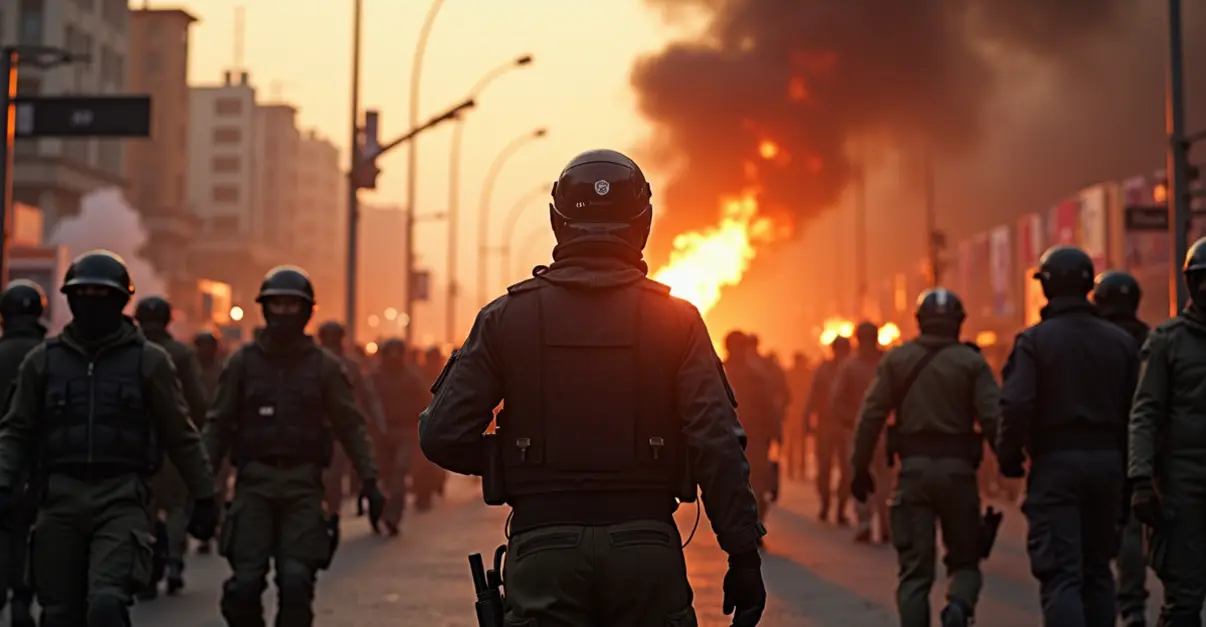
According to Wikipedia documentation, these represent the largest uprising since the 1979 Islamic Revolution, spreading to 512 locations across all 31 provinces. The government's response has included widespread internet blackouts, mass arrests, and the use of live ammunition against protesters.
Economic Roots and Political Evolution
The protests initially erupted over economic grievances, including record-high inflation, food price increases, and currency depreciation exacerbated by international sanctions. However, as noted by CBC News analysis, the movement quickly transformed into political opposition against Iran's clerical establishment, with chants of 'death to the dictator' becoming common.
The 86-year-old Khamenei, who has served as Supreme Leader since 1989 following the death of Ayatollah Khomeini, faces one of the most significant challenges to his rule. His admission of thousands dead represents a strategic shift from previous denials and comes amid reports that protest activity has decreased in recent days, though monitoring remains difficult due to internet restrictions.
Regional and Global Implications
The situation has broader implications for Middle Eastern stability, with the European Union Aviation Safety Agency advising airlines to avoid Iranian airspace. Meanwhile, Reza Pahlavi has been actively positioning himself as a potential transitional figure, though his claims of support from within Iran's security apparatus remain unverified according to The National.
As the international community watches closely, the admission from Iran's highest authority suggests the regime recognizes the severity of the crisis while attempting to control the narrative around its causes and consequences.