Deutsch
 English
 Español
 Français
 Nederlands
 Português






Iran's Supreme Leader Lashes Out at Protesters and Trump
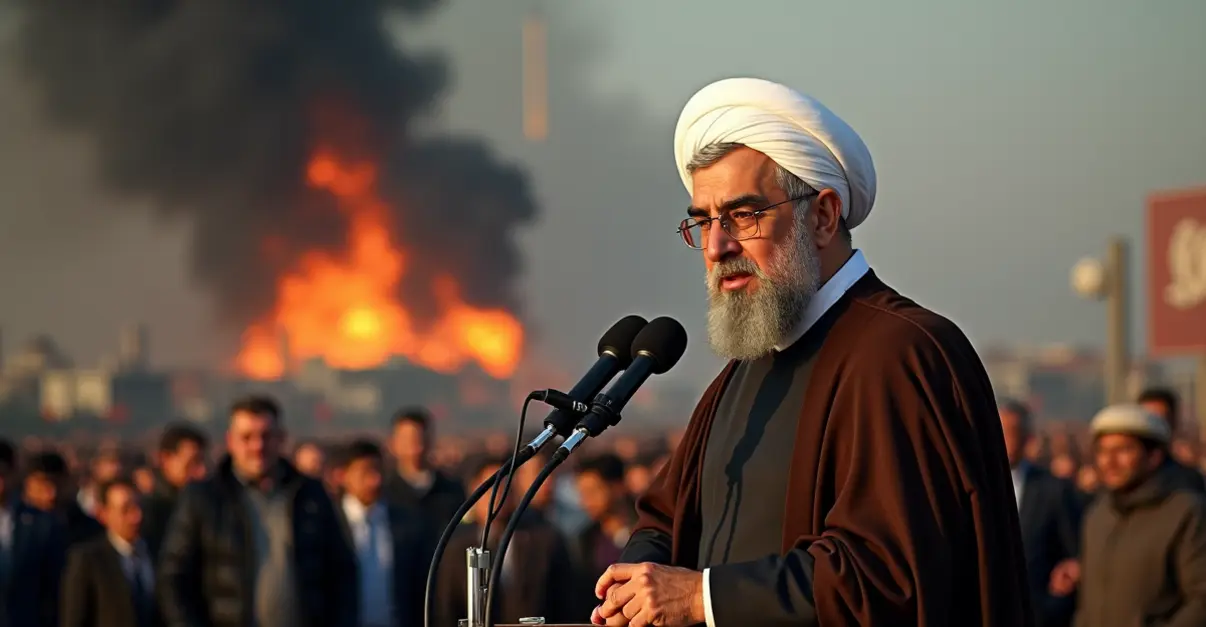
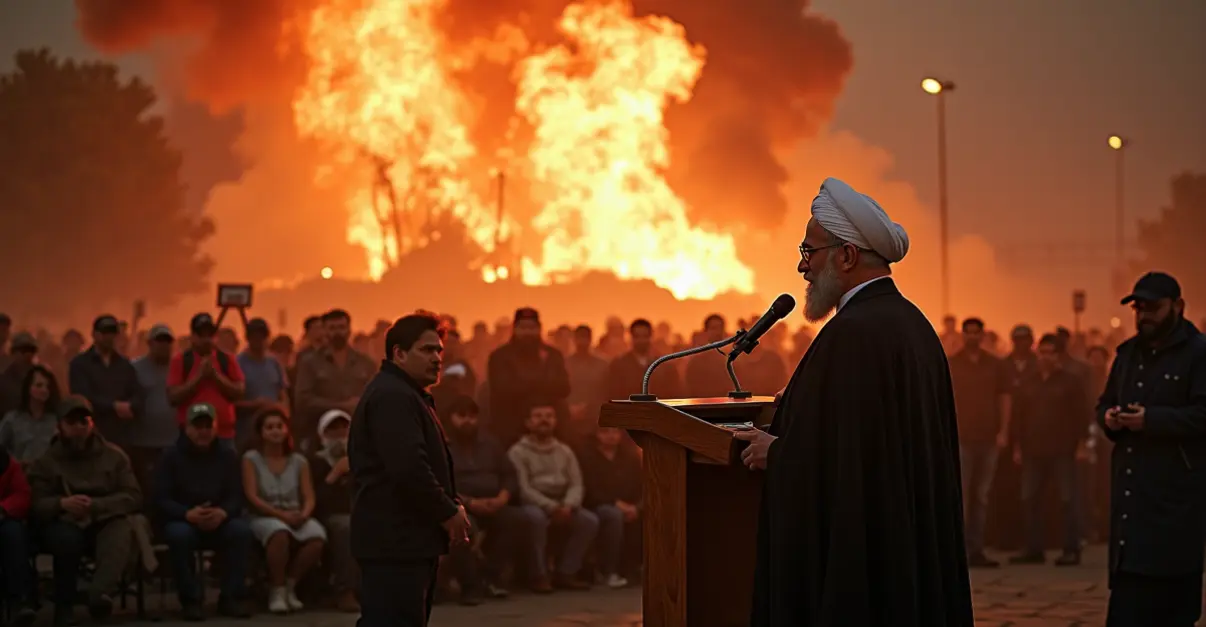
In a fiery televised address, Iran's Supreme Leader Ayatollah Ali Khamenei has launched a blistering attack on anti-government protesters and former US President Donald Trump, accusing demonstrators of creating chaos 'to please the president of another country.' The speech comes amid the largest wave of protests Iran has seen since the 2022 demonstrations following Mahsa Amini's death.
Hardline Rhetoric and Foreign Interference Claims
Khamenei, Iran's highest authority, claimed protesters were 'making a mess of their own streets to please the president of another country' in a clear reference to Trump. The former US president had earlier declared on his Truth Social platform that the United States was 'ready for action' if Iran didn't stop 'violently killing protesters.' 'We will come to save them,' Trump wrote, escalating tensions between the two nations.
Despite Trump's warnings, Khamenei vowed authorities would 'deal firmly with demonstrators,' stating Iran 'does not tolerate people who behave like mercenaries for foreigners.' During his speech, supporters chanted 'death to America' as he denounced 'vandals and rioters' who had caused destruction. He bluntly told Trump to 'mind his own country.'
Protests Reach Critical Mass
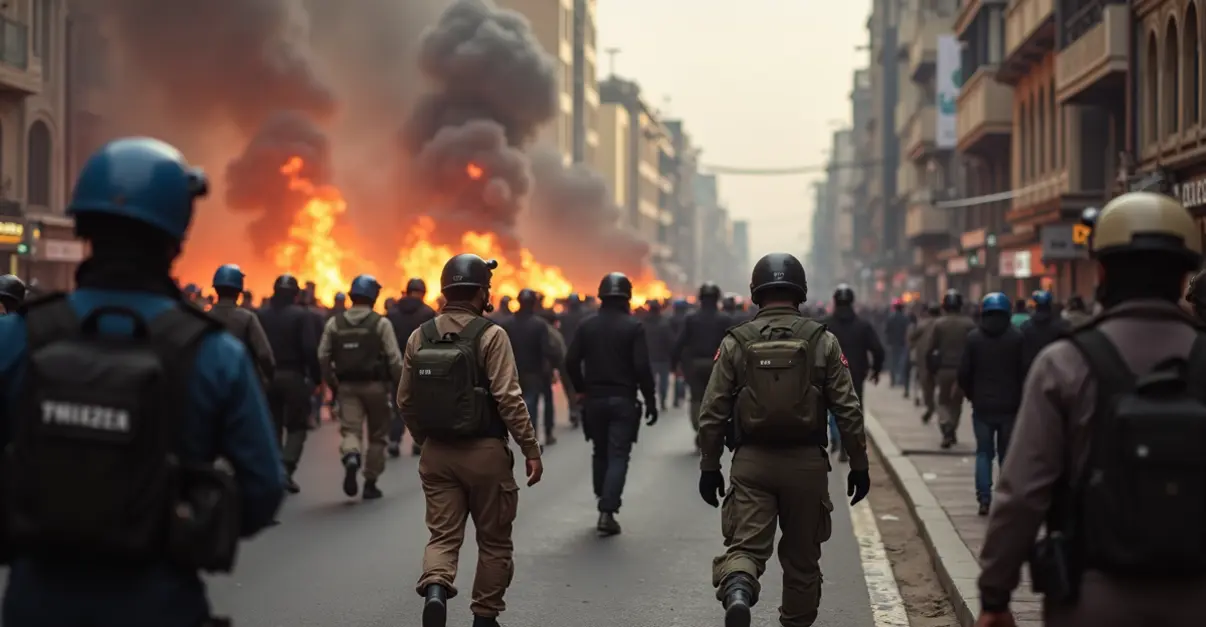
The protests, now in their 13th consecutive day, represent the most sustained challenge to Iran's theocratic regime in years. What began as economic discontent over soaring inflation and currency collapse has evolved into a broader movement targeting the Islamic Republic itself. According to BBC reports, demonstrations have spread across more than 50 cities and towns, with protesters chanting 'death to the dictator' in videos verified by international media.
Iranian authorities have responded with a nationwide internet blackout affecting 85 million people, severely disrupting communication and organization. For the first time, state television acknowledged the protests in its morning news bulletin, though with minimal details.
Mounting Casualties and International Concern
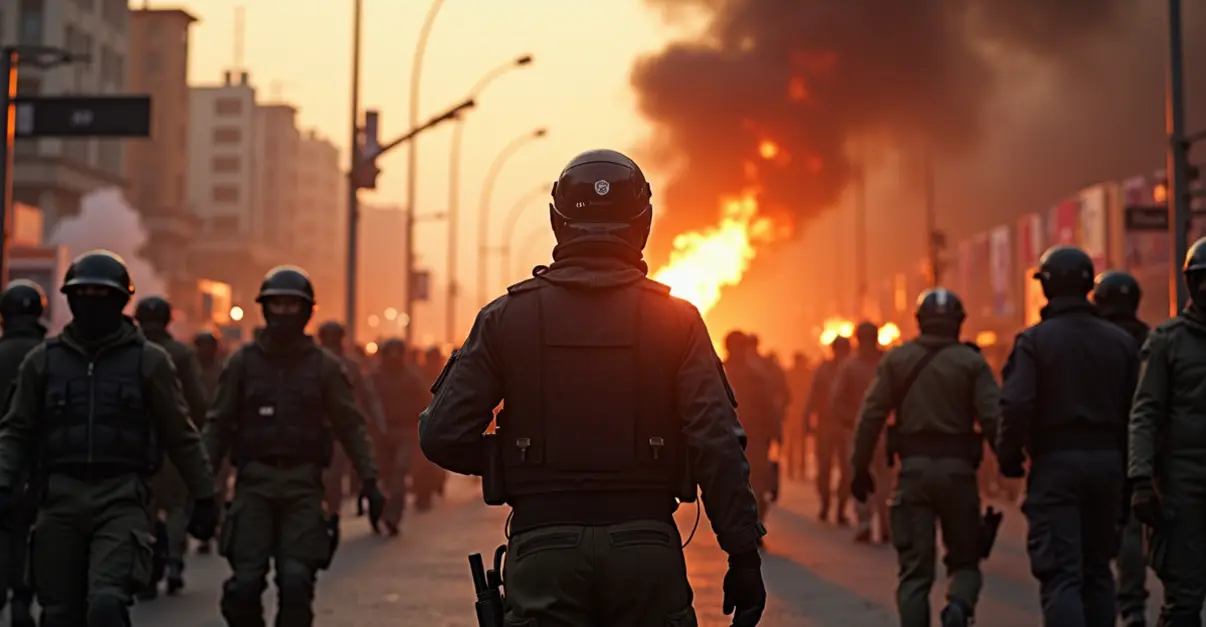
The human cost continues to rise. According to human rights organizations, at least 45 protesters have been killed and over 2,270 detained. Amnesty International reports security forces have used rifles, shotguns with metal pellets, water cannons, and tear gas against largely peaceful protesters, with at least three children among those killed.
Middle East correspondent Daisy Mohr notes: 'Opinions differ on what these protests will ultimately achieve. We've seen major protest waves in Iran in recent years that were ultimately suppressed with an iron fist. But last night something seems to have changed. The context is also different this time - alongside anger, growing dissatisfaction and the ever-worsening economy, there's also external pressure.'
Economic Crisis Fuels Unrest
The protests erupted amid severe economic deterioration, with inflation reaching 42.2% in December 2025 and the Iranian rial hitting record lows against the US dollar. Food prices have soared by 72%, while health and medical goods increased by 50% year-on-year, creating unbearable conditions for ordinary Iranians.
As the protests continue, the world watches whether this movement represents a turning point in Iran's political landscape or another chapter in the regime's history of suppressing dissent with force.