Nederlands
 English
 Deutsch
 Français
 Español
 Português
US President Trump claims capture of Venezuelan President Maduro after large-scale military strikes on Caracas. International condemnation follows as Venezuela declares state of emergency and calls for resistance.
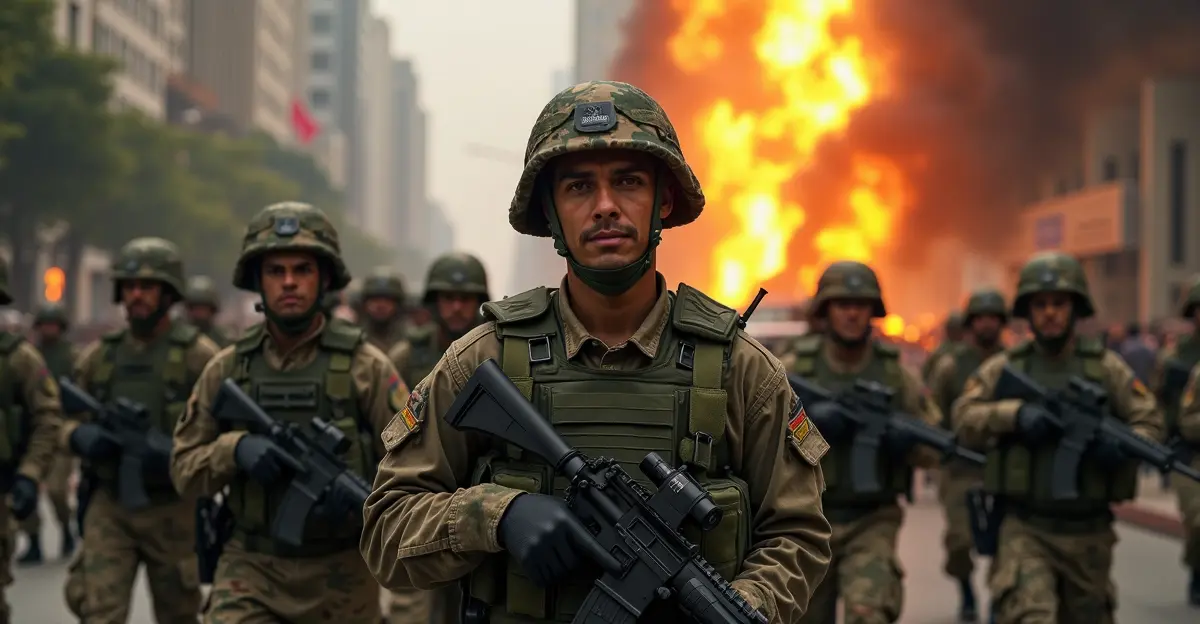
US Launches Major Military Operation Against Venezuela
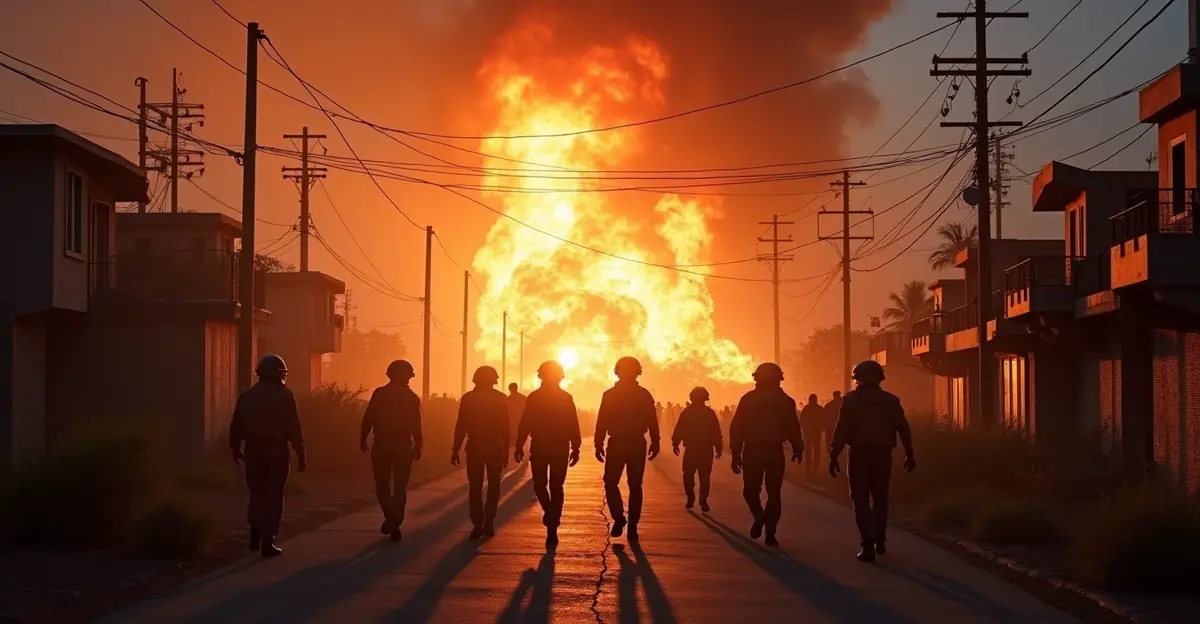
In a dramatic escalation of tensions between the United States and Venezuela, President Donald Trump has announced that US forces have captured Venezuelan President Nicolás Maduro and his wife, Cilia Flores, following large-scale military strikes on Caracas. The operation, which occurred in the early hours of January 3, 2026, marks a significant turning point in the long-standing conflict between Washington and Caracas.
Details of the Military Strikes
According to Trump's announcement, US forces conducted what he described as 'a successful, large-scale attack' on Venezuela, targeting multiple locations including the Fort Tiuna military complex and La Carlota airbase. The Venezuelan Foreign Ministry has reported that some non-military areas were also hit during the attacks, though specific casualty figures remain unclear.
The US Embassy in Caracas reported explosions near its facilities, with Reuters confirming the incidents. Meanwhile, the Federal Aviation Administration (FAA) has prohibited all US commercial airlines from flying over Venezuelan airspace due to 'ongoing military activity.'
International Reactions and Condemnation
The international community has reacted with alarm to the developments. Iran condemned the strikes as 'a flagrant violation of national sovereignty,' while Cuban President Miguel Díaz-Canel called the operation 'state terrorism.' Colombia's President Gustavo Petro has called for an emergency UN Security Council meeting, stating that the situation represents a dangerous escalation in the region.
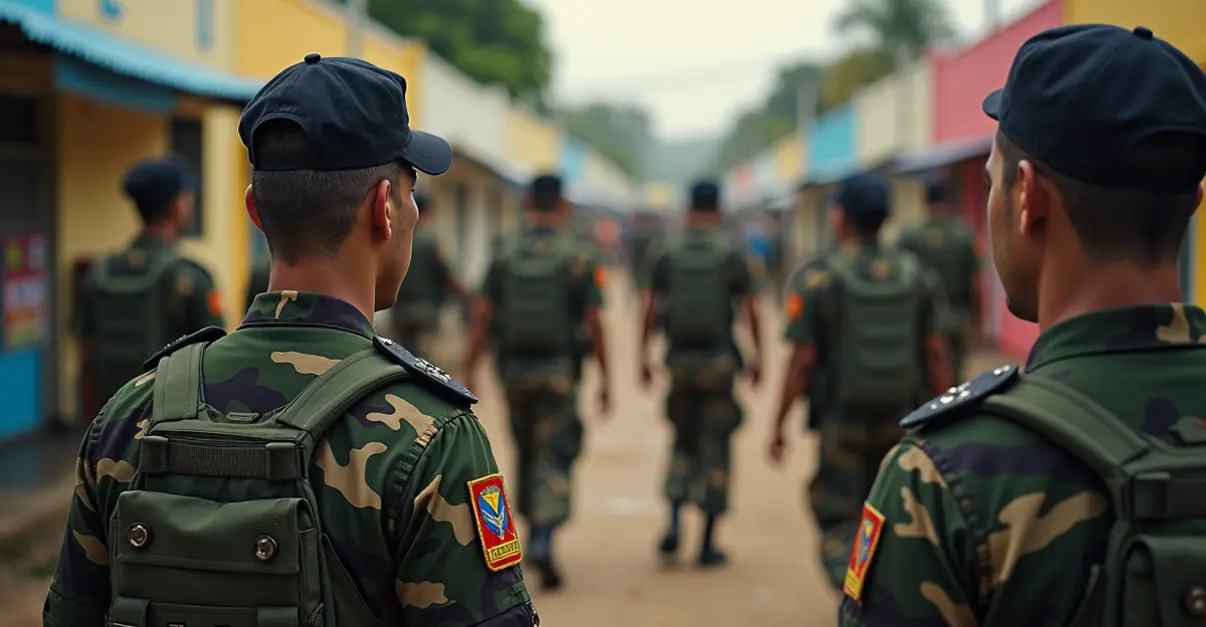
Venezuela's government has urged supporters to 'take to the streets' and resist what it calls an 'imperialist attack aimed at seizing control of Venezuela's oil and mineral resources.' Defense Minister Vladimir Padrino López announced military deployment across the country and called for national resistance.
Background of US-Venezuela Tensions
The military strikes follow months of escalating tensions between the two nations. Since September 2025, the US has conducted multiple operations against alleged drug trafficking vessels in the Caribbean, killing at least 105 people according to UN reports. The Trump administration has accused Maduro of drug trafficking and working with terrorist organizations, with Maduro having been indicted in US courts for alleged narcoterrorism in 2020.
In November 2025, the US designated Maduro as a member of a foreign terrorist organization, further escalating the diplomatic standoff. The UN Security Council held emergency meetings in late 2025 as Venezuela warned that US actions represented the first stage of broader 'continental ambitions' in Latin America.
Legal and Political Implications
The legality of the US military action has been questioned by both Democrats and some Republicans in Congress. Senator Ruben Gallego called it an 'illegal war,' while other lawmakers have expressed concerns about the precedent being set for unilateral military intervention.
The US State Department has warned American citizens in Venezuela to shelter in place, noting that the US Embassy in Caracas has been closed since March 2019 with all consular services suspended. This means the US government cannot provide emergency services to citizens currently in Venezuela.
Regional Security Concerns
Neighboring countries have expressed grave concerns about the potential for regional destabilization. Brazil, Argentina, and Mexico have all called for restraint and dialogue, while Russia and China have strongly supported Venezuela, warning that US intervention could set a dangerous precedent for the region.
The Organization of American States (OAS) is expected to hold emergency sessions to address the crisis, though divisions among member states regarding Venezuela's political situation may complicate a unified response.
What Happens Next?
As the situation continues to develop, several key questions remain unanswered: Where has Maduro been taken? What legal proceedings will follow? How will Venezuela's government function without its president? And what will be the long-term consequences for US-Latin American relations?
Trump has scheduled a news conference at Mar-a-Lago to provide further details about the operation, which he claims was conducted with US law enforcement agencies. Meanwhile, Venezuela's remaining government officials have declared a state of emergency and are attempting to maintain control amid the chaos.
For more background on Nicolás Maduro's presidency, see Wikipedia. Additional reporting on the UN Security Council meetings can be found at UN News.