


 Deutsch
 English
 Español
 Français
 Nederlands
 Português


 Share
Share




Airlines Accelerate Sustainable Fuel Adoption with Major Purchase Agreements
The aviation industry is witnessing a significant shift toward sustainability as major airlines announce substantial sustainable aviation fuel (SAF) purchase agreements in 2025. These deals represent a crucial step in the sector's journey toward decarbonization, addressing lifecycle emissions, sourcing volumes, and cost considerations that have long been barriers to widespread SAF adoption.
Major Airlines Lead the Charge
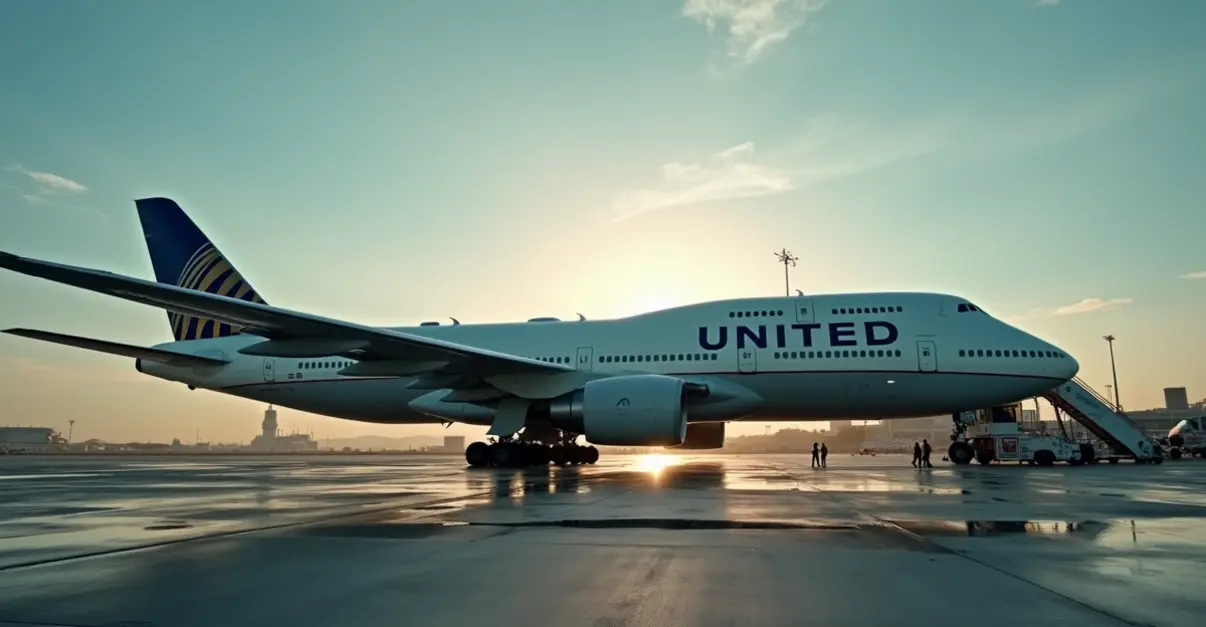
At least a dozen major carriers are now actively blending SAF on scheduled routes, with KLM, Delta, United, Lufthansa, JetBlue, Virgin Atlantic, and Alaska Airlines leading the charge. 'We're transitioning from pledges to purchase orders,' says an industry analyst familiar with the developments. KLM, which pioneered SAF flights in 2011, continues regular Amsterdam-Los Angeles flights with 30% SAF blends, while United Airlines has secured a massive 260 million gallon e-fuel agreement with Twelve over 14 years.
Delta Air Lines made headlines in March 2025 with its first Asia Pacific SAF delivery, signing an agreement with Cosmo Oil for 200 million gallons of SAF made from domestically sourced used cooking oil. 'This marks a significant step in establishing Japan's domestic SAF supply chain,' noted a Cosmo Energy Group representative. Lufthansa has taken the innovative approach of powering all domestic Airbus staff trips with SAF, demonstrating corporate commitment to sustainability.
Addressing the Supply and Cost Challenge
The SAF market faces what industry experts call a 'chicken-and-egg' problem. SAF currently represents just 0.7% of total jet fuel production and costs 2-3 times more than conventional jet fuel, with prices projected to remain high until 2030. Limited supply keeps prices elevated, while producers need long-term demand commitments to scale production.
According to a 2025 meta-analysis published in ScienceDirect, harmonization reduced uncertainties for most SAF pathways except power-to-liquid with direct air capture (PtL-DAC), where hydrogen source remains the main uncertainty. The study found that Fischer-Tropsch bioenergy with carbon capture and storage (FT-BECCS), hydroprocessed esters and fatty acids from used cooking oil (HEFA-UCO) and PtL-DAC pathways can achieve negative greenhouse gas emissions (-9.8 to -122.4 g CO2eq/MJ).
'The cost premium is real, but so is the environmental imperative,' explains a sustainability officer at a major European airline. 'We're seeing pyrolysis and HEFA pathways showing lower costs (0.4–0.7 $/L) than fossil jet fuel (0.75 $/L), which gives us hope for the economics improving.'
Industry Initiatives and Regulatory Push
The International Air Transport Association (IATA) launched the Sustainable Aviation Fuel Matchmaker platform in June 2025 to facilitate SAF procurement between airlines and producers. This central platform addresses efficiency through simplified connections, connectivity by allowing producers to post available volumes, and visibility with comprehensive information about SAF volumes, feedstock, production technology, and emissions reductions.
Meanwhile, the Sustainable Aviation Buyers Alliance (SABA) announced two procurement streams for 2025: the SAFc Connect Database launching in March as a spot procurement platform, and a Next Generation SAF RFP focused on e-fuels and advanced biofuels using alternative feedstocks. These initiatives build on SABA's successful 2024 procurement that secured nearly 50 million gallons of SAF through $200 million in market investment.
Regulatory mandates are also driving adoption. The European Union's ReFuelEU initiative requires 2% SAF blends by 2025, increasing to 6% by 2030. Singapore has implemented a $2 per passenger levy to support SAF development, while other nations are considering similar measures.
Lifecycle Emissions and Feedstock Considerations
SAF's environmental benefits depend heavily on feedstock and production methods. According to the NREL Sustainable Aviation Fuel State-of-Industry Report, SAF can achieve up to 80% lifecycle greenhouse gas reductions compared to conventional jet fuel. The aviation industry accounts for approximately 2-3% of global CO2 emissions, making this reduction critical.
The industry faces significant feedstock constraints, particularly for hydrotreated esters and fatty acids (HEFA) crucial for SAF production. 'We're exploring more readily available feedstocks such as woody biomass and agricultural and municipal waste,' says a SAF developer. 'Advanced e-fuels technology, which combines waste CO2 with clean hydrogen, presents a promising solution, though it's still under development and comes with high costs.'
Global SAF production was 600 million liters in 2023, representing just 0.2% of global jet fuel use. By 2024, this increased to 1.3 billion liters (1 million tonnes), representing 0.3% of global jet fuel consumption. IATA projects global demand doubling from 300 to 600 million liters in 2025 as more airlines commit to purchase agreements.
The Road Ahead
While challenges remain, the flurry of SAF purchase agreements in 2025 signals a turning point for aviation sustainability. Airlines are moving beyond voluntary commitments to binding contracts, creating the demand certainty needed to scale production. As production increases and technology advances, costs are expected to decrease, making SAF more accessible.
'This isn't just about meeting regulatory requirements,' concludes an airline executive involved in recent negotiations. 'It's about securing our industry's future and demonstrating real commitment to environmental stewardship. The agreements we're signing today will shape aviation for decades to come.'
The transition won't happen overnight, but with major airlines committing to substantial volumes, supportive policies emerging globally, and technological innovations progressing, sustainable aviation is finally taking flight in a meaningful way.




Follow Discussion