Nederlands
 English
 Deutsch
 Français
 Español
 Português
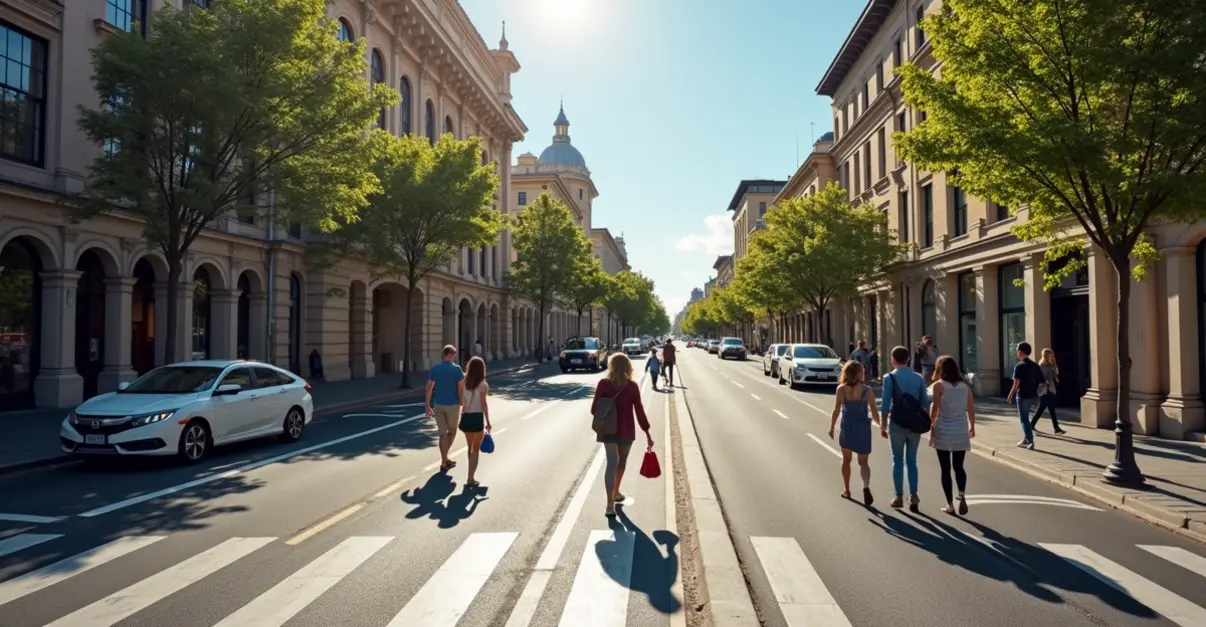





Historic District Set for Major Transformation
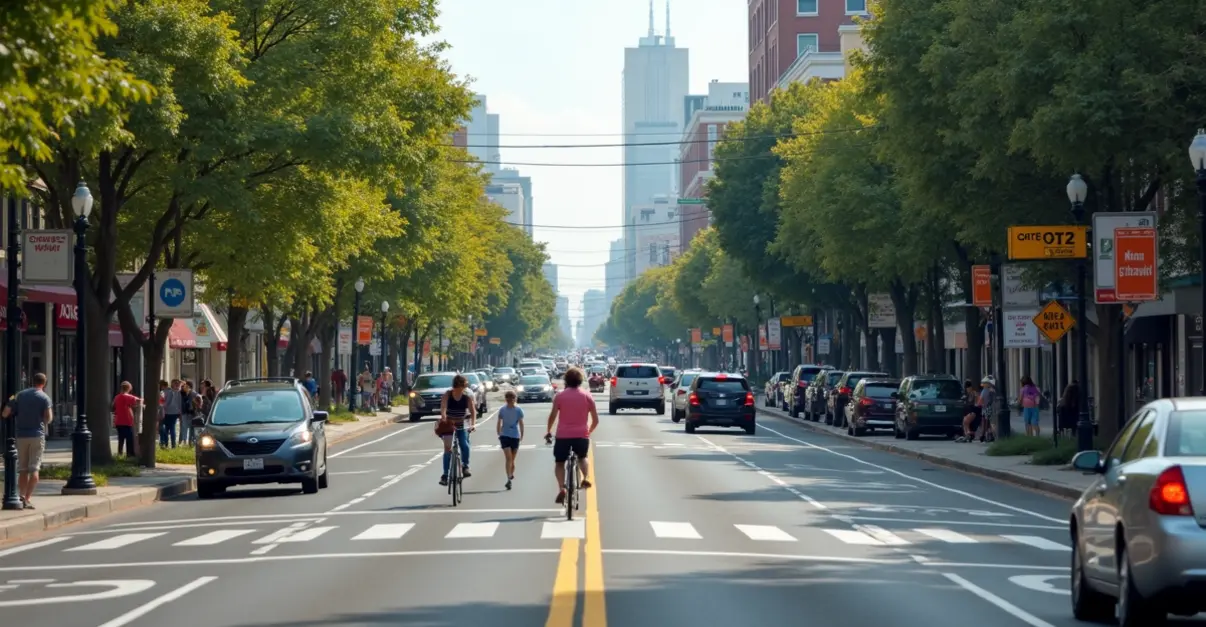
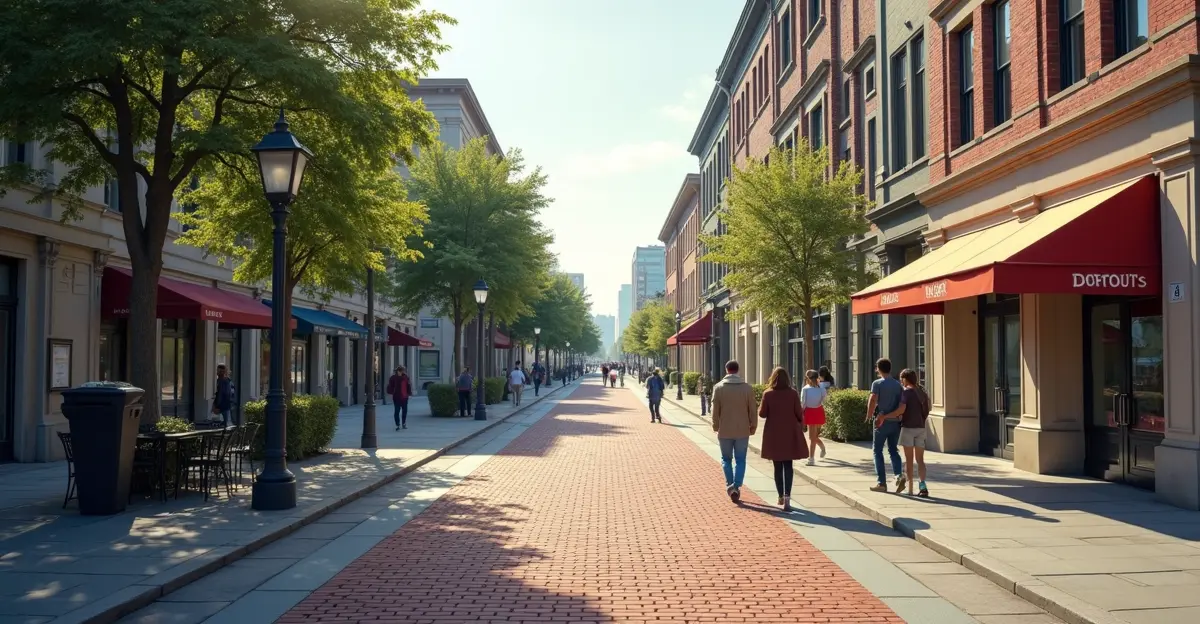
City officials have announced a bold plan to pedestrianize the historic downtown district, a move that will permanently reroute traffic away from the city's oldest commercial corridors. The ambitious initiative aims to create a safer, cleaner, and more vibrant public space while addressing long-standing concerns about air quality and congestion.
The plan, unveiled at a press conference this morning, will see approximately 15 blocks of the historic core converted to pedestrian-only zones by late 2025. Vehicle access will be restricted to emergency services, delivery vehicles during designated hours, and residents with special permits. Major thoroughfares surrounding the district will be reconfigured to accommodate diverted traffic.
Retail Impact and Economic Considerations
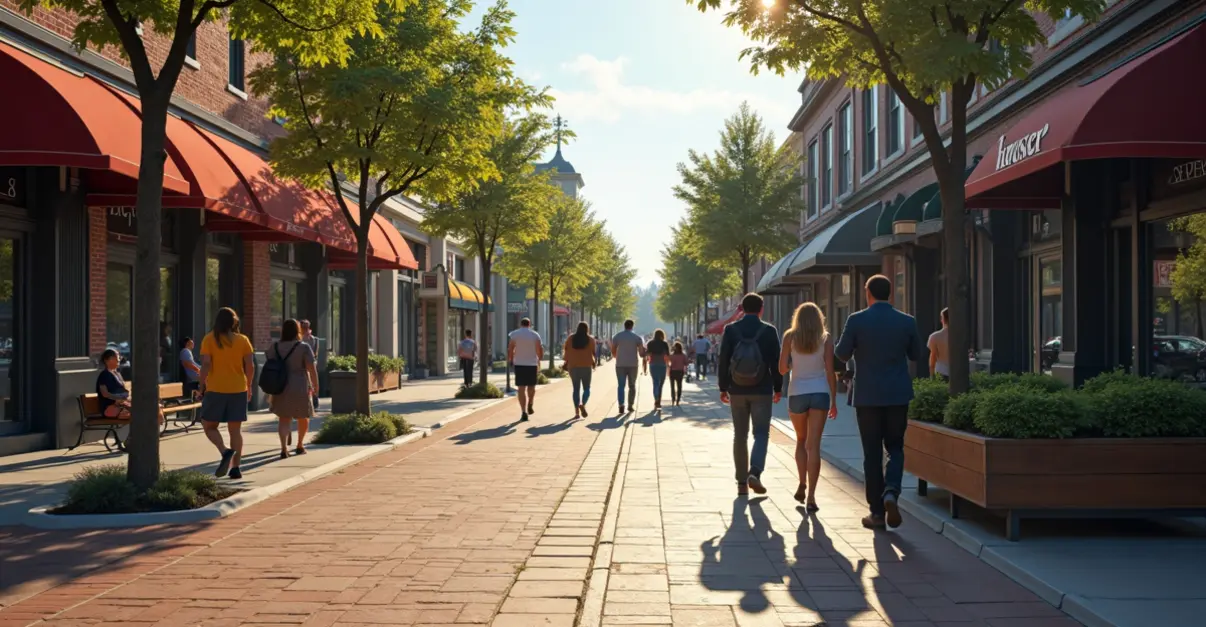
Local business owners have expressed mixed reactions to the announcement. While many welcome the prospect of increased foot traffic and improved ambiance, concerns about delivery logistics and customer accessibility remain.
'We've been asking for pedestrian improvements for years, but the devil is in the details,' said Maria Chen, owner of a boutique clothing store in the affected area. 'If they get the delivery windows and parking alternatives right, this could be fantastic for business. But if customers can't easily reach us, we'll suffer.'
Research supports the potential benefits of pedestrianization for retail. According to a 2025 study on air quality and commercial foot traffic, clean air environments can increase dwell time by 13% and boost foot traffic by 9-14% in pedestrianized areas. The CBRE report on street retail recovery also indicates that prime retail districts are experiencing strong rebounds, with foot traffic reaching 81% of pre-pandemic levels and full recovery expected soon.
Air Quality and Environmental Benefits
Environmental advocates have hailed the decision as a significant step toward improving urban air quality. The historic district currently experiences some of the city's highest levels of vehicle emissions due to narrow streets and heavy traffic.
'This isn't just about creating pretty walking spaces,' explained Dr. Samuel Rodriguez, an environmental health researcher. 'Studies show that pedestrianization directly improves both perceived and actual air quality. A comprehensive study on pedestrianization in Seoul found that such projects positively influence individuals' perceptions of air quality, which increases overall satisfaction with the walking environment.'
The city's environmental department projects a 30-40% reduction in nitrogen dioxide levels within the pedestrianized zone within the first year of implementation. This aligns with global trends where cities like New York's Times Square and Barcelona's La Rambla have seen significant air quality improvements following similar transformations.
Traffic Rerouting and Infrastructure Changes
The transportation department has developed a comprehensive traffic management plan to handle the estimated 8,000 vehicles that will be diverted daily. Key changes include:
- Converting two parallel streets into one-way corridors with enhanced capacity
- Installing smart traffic signals to optimize flow around the perimeter
- Creating new parking facilities at the district's edges with shuttle services
- Expanding bike lane networks and improving public transit connections
'We've learned from successful implementations worldwide,' said Transportation Commissioner Lisa Wong. 'The global movement toward people-centric urban planning shows that with proper planning, traffic finds new equilibrium. Our modeling indicates initial congestion that should resolve within 3-6 months as drivers adjust.'
Public Consultation Process
A series of public consultations will begin next month, with both in-person and virtual options available. The city has committed to a transparent process, promising to incorporate community feedback into the final design.
'This is about balancing preservation with progress,' stated Mayor Elena Martinez. 'Our historic district deserves protection from the negative impacts of traffic, but we must also ensure local businesses thrive. We're looking at models like the successful State Street experiment in Madison and Patrick Geddes' pioneering 1925 Tel Aviv plan that prioritized pedestrian movement and neighborhood identity.'
The consultation phase will include detailed presentations on traffic patterns, economic impact assessments, and design proposals for the new pedestrian spaces. Special attention will be given to accessibility requirements for people with disabilities and elderly residents.
Implementation Timeline and Funding
The project will be implemented in three phases over 18 months, with the first pedestrian zones expected to open in Q3 2025. Funding comes from a combination of municipal capital budgets, state transportation grants, and federal infrastructure programs.
Initial construction will focus on infrastructure improvements like widened sidewalks, new lighting, seating areas, and green spaces. The total project cost is estimated at $12-15 million, with ongoing maintenance funded through existing parks and recreation budgets.
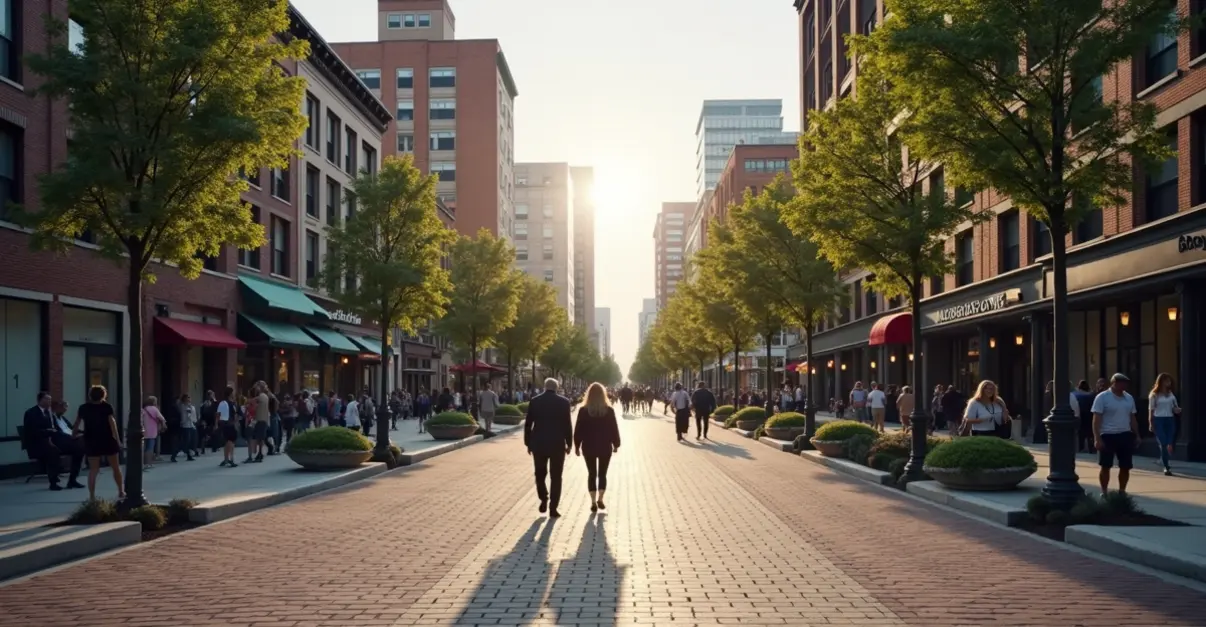
As cities worldwide continue to reimagine urban spaces, this pedestrianization project represents both a practical response to local challenges and participation in a global movement toward more livable, sustainable cities. The coming months of public consultation will determine how this vision becomes reality for the historic district and its community.