


 Deutsch
 English
 Español
 Français
 Nederlands
 Português


 Share
Share




Giant Pipe Incident Explained: Osaka's 30-Meter Infrastructure Failure
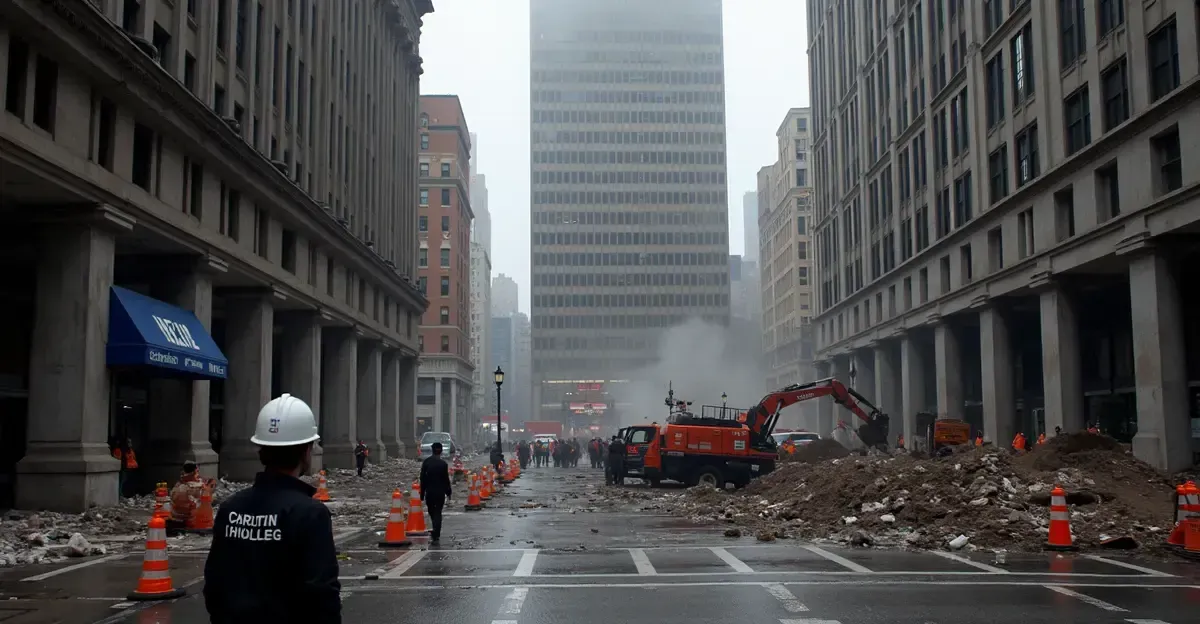
In a bizarre infrastructure failure that has captured global attention, a massive 3.5-meter diameter steel pipe suddenly burst through a busy intersection in Osaka, Japan, rising 13 meters above ground and disrupting traffic in one of the country's busiest urban centers. The incident, which occurred overnight on March 11-12, 2026, involved a 30-meter-long underground pipe that was part of a flood prevention system under construction in the Umeda district.
What Happened in Osaka?
The giant pipe, measuring 3.5 meters (11.5 feet) in diameter and 30 meters (98 feet) in length, unexpectedly rose from beneath the road surface at a major intersection near Osaka-Umeda Station. The pipe was being used as a retaining structure during construction work connecting existing sewer lines to a new rainwater management system designed to prevent flooding in the densely populated area. A passerby discovered the protruding cylinder early Wednesday morning and alerted authorities.
'We've never seen anything like this before,' said an Osaka city official who spoke on condition of anonymity. 'The pipe just seemed to float up overnight, breaking through layers of asphalt and concrete.'
Technical Details and Response
Pipe Specifications and Construction Context
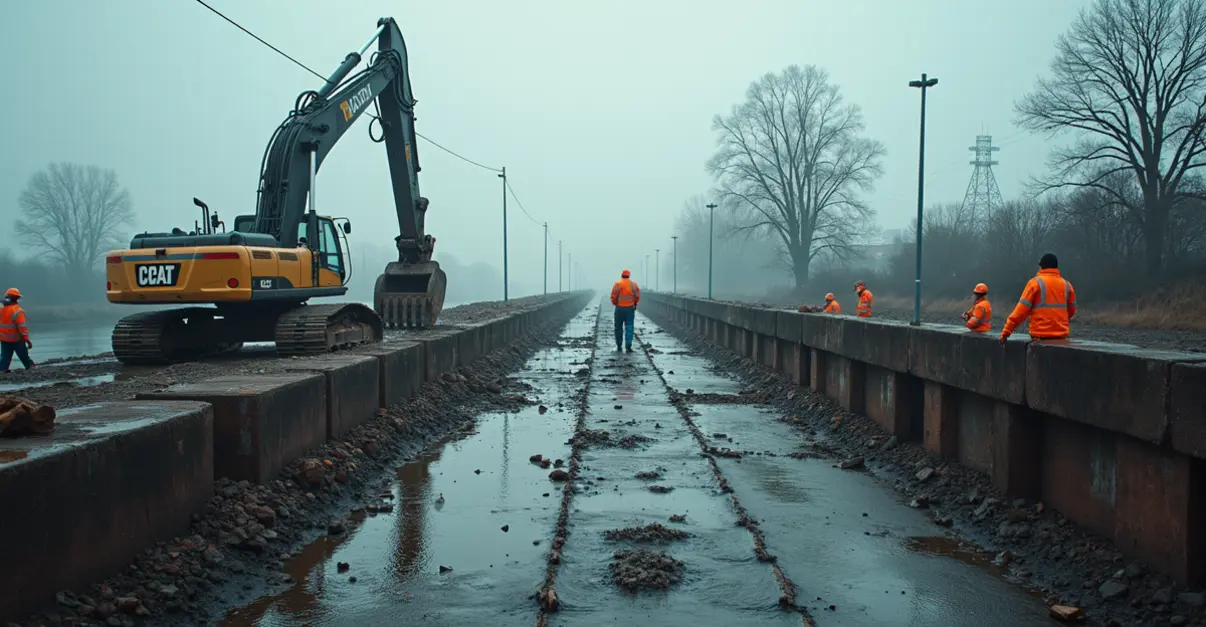
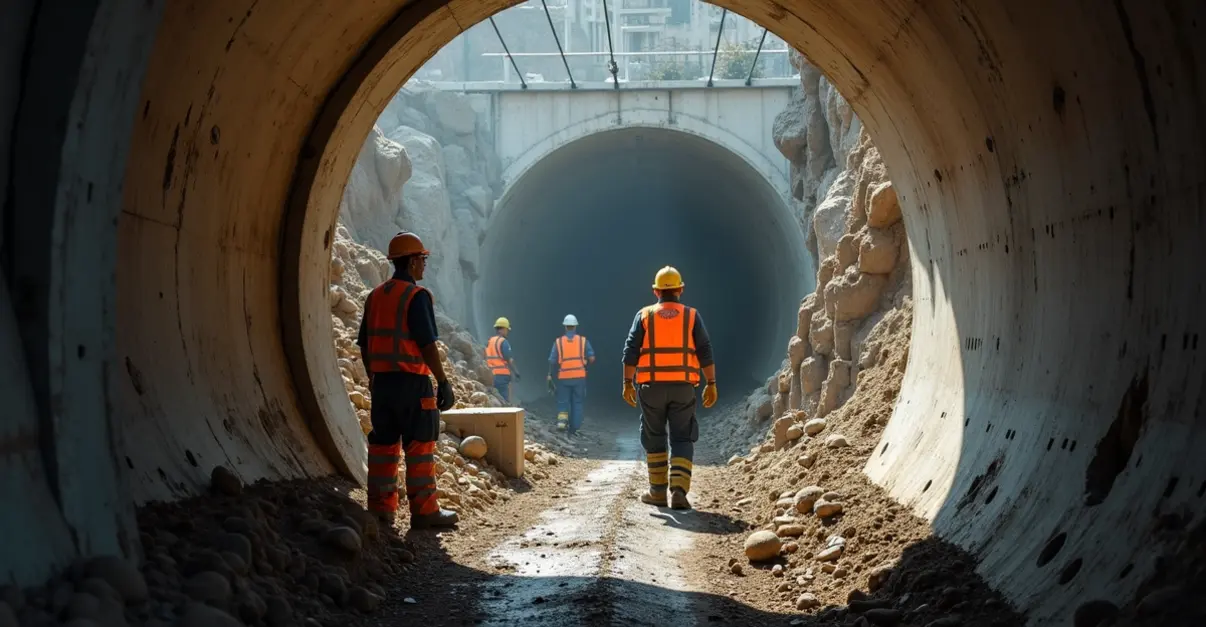
The steel cylinder was part of Osaka's ongoing infrastructure upgrades to combat urban flooding, a critical concern in a city that experiences heavy rainfall and typhoons. Similar to the Tokyo flood tunnel system, the project aims to create underground storage capacity for excess rainwater. The pipe served as a temporary retaining structure to prevent soil collapse during excavation work.
Emergency Response and Mitigation Efforts
Firefighters and construction crews responded with an innovative solution: they cut holes in the pipe's side and injected water to increase its weight and push it back underground. This method proved partially successful, reducing the visible portion from 13 meters to approximately 1.6 meters above ground. The remaining protruding section will be cut off using industrial equipment.
What Caused the Pipe to Rise?
Authorities are investigating the exact cause, but preliminary findings suggest a buoyancy effect. Workers had drained groundwater from the pipe the previous day, significantly reducing its weight. With the pipe empty and surrounded by water-saturated soil, it essentially 'floated' upward due to buoyant forces. This phenomenon, while rare in construction, can occur when underground structures lose sufficient weight to counteract upward pressure from surrounding materials.
The incident highlights the complex engineering challenges of urban underground construction, particularly in dense cities like Osaka where multiple infrastructure layers coexist. Unlike traditional urban planning approaches, modern megacities must balance new construction with existing systems in confined spaces.
Impact and Consequences
Traffic Disruption and Economic Effects
The Shin-Midosuji elevated highway above the intersection has been temporarily closed, causing significant traffic congestion in Osaka's Umeda district—one of Japan's busiest commercial and transportation hubs. The intersection itself remains closed to all traffic, with detours affecting thousands of commuters and businesses in the area.
Safety Concerns and Investigation
No injuries were reported, but the incident has raised questions about construction safety protocols and monitoring systems. Osaka's sewage department head has publicly apologized for the inconvenience, and a comprehensive investigation is underway to determine whether proper safety measures were followed during the groundwater removal process.
Broader Implications for Urban Infrastructure
This incident comes at a time when cities worldwide are upgrading aging infrastructure systems. The Osaka pipe failure serves as a cautionary tale about the hidden risks in underground construction projects, particularly those involving water management systems. As climate change increases the frequency of extreme weather events, cities are investing heavily in flood prevention infrastructure, making safety and engineering oversight more critical than ever.
Similar infrastructure challenges have been observed in other global cities undertaking major underground construction projects, highlighting the need for improved risk assessment and monitoring technologies.
Frequently Asked Questions (FAQ)
How big was the Osaka pipe?
The pipe measured 3.5 meters (11.5 feet) in diameter and 30 meters (98 feet) in length, with 13 meters (42 feet) initially protruding above ground.
Was anyone injured in the incident?
Fortunately, no injuries were reported. The pipe rose overnight when the intersection was largely empty of pedestrians and vehicles.
How long will the road closure last?
Authorities estimate the intersection will remain closed for several days while crews complete the pipe removal and repair the damaged road surface.
What caused the pipe to rise?
Preliminary investigation suggests buoyancy caused the empty pipe to float upward after workers drained groundwater from it, reducing its weight significantly.
Is this type of incident common?
No, this is an extremely rare occurrence in construction. While buoyancy issues are known in engineering, such dramatic above-ground protrusions are highly unusual.
Follow Discussion