Deutsch
 English
 Español
 Français
 Nederlands
 Português






What is the Nairobi Flooding Crisis?
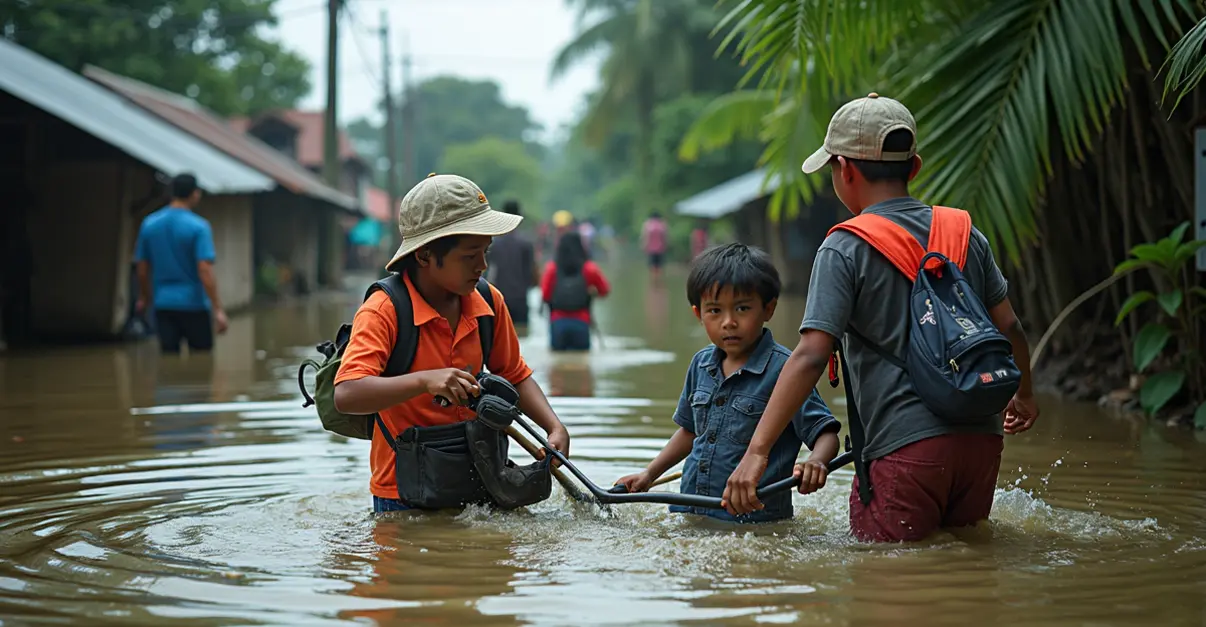
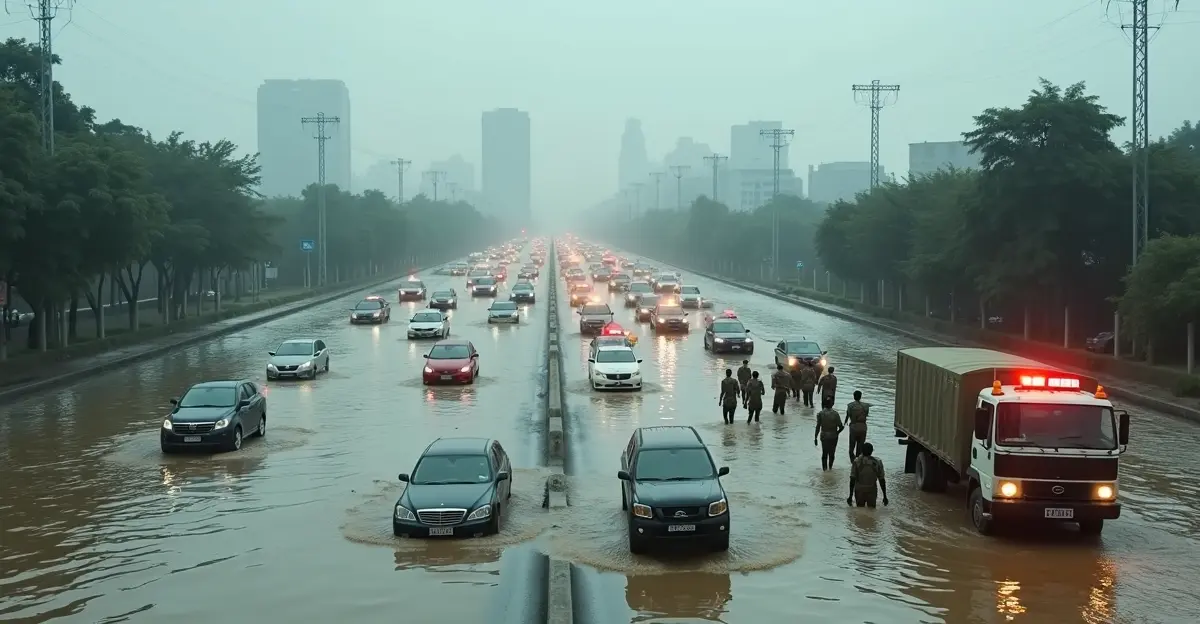
At least eight people have died and over 100 vehicles were damaged after torrential rainfall triggered severe flooding in Nairobi, Kenya's capital city, prompting the government to declare a state of emergency on March 7, 2026. The heavy rains that began on Thursday night continued through Friday, overwhelming the city's drainage systems and causing widespread chaos across multiple neighborhoods. According to police reports, six victims drowned in floodwaters while two others died from electrocution, with authorities warning the death toll could rise as rescue operations continue.
Emergency Response and Rescue Operations
The Kenyan government has deployed military forces to assist with rescue operations after the Kenya Red Cross struggled to reach all affected areas. The Kenya Defence Forces (KDF) Rapid Response Unit has been working alongside emergency services to clear flooded roads, rescue stranded residents, and control traffic at critical intersections. 'We have activated a 24-hour Multi-Sectoral Disaster and Flood Mitigation Committee and deployed teams across all 17 sub-counties,' said Nairobi Governor Johnson Sakaja in an emergency statement.
Major Infrastructure Impact
The flooding has paralyzed Nairobi's transportation network, with major highways including Uhuru Highway, Mombasa Road, Thika Superhighway, and Jogoo Road completely submerged in sections. The city's main airport, Jomo Kenyatta International Airport, experienced significant disruptions, forcing Kenya Airways to divert flights to Mombasa. Over 100 vehicles were damaged or stranded, with many motorists trapped inside their cars as water levels rose rapidly overnight.
Why Nairobi's Drainage Systems Failed
Environmental experts point to systemic infrastructure failures as the primary cause of the flooding crisis. Nairobi's drainage system, originally designed decades ago for lighter seasonal rains, has been overwhelmed by rapid urban expansion and increased rainfall intensity. 'The drainage system was not designed for current rainfall patterns,' acknowledged Governor Sakaja, highlighting how illegal construction on riparian land and poor waste management have further clogged stormwater channels.
Historical Context of Flooding in Kenya
This is not the first time Kenya has faced devastating floods. The country experiences regular flooding during the March-May long rain season, with previous disasters causing hundreds of deaths. Similar to the 2024 Kenya flooding crisis that killed dozens, the current situation exposes ongoing challenges in urban planning and disaster preparedness. Kenya's vulnerability to extreme weather events has increased due to climate change, with meteorological data showing more intense rainfall patterns in recent years.
Government Response and Public Criticism
While emergency measures have been implemented, many Nairobi residents express frustration with what they see as inadequate preparation despite advance weather warnings. The Kenya Meteorological Department had issued alerts about heavy rainfall expected to persist until March 9, yet drainage systems remained unprepared. Temporary evacuation centers have been established in high-risk zones, and emergency hotlines (020 2222181-3, 020 2344599) have been activated for reporting incidents.
Comparison to Regional Flooding Events
The Nairobi flooding follows similar disasters across Africa, including the 2026 Mozambique floods that represented one of the worst in 25 years. Like many developing nations, Kenya faces challenges balancing rapid urbanization with climate-resilient infrastructure development. The situation highlights the urgent need for integrated urban planning that accounts for increasing rainfall variability and climate change impacts.
Long-Term Implications and Solutions
Environmental experts warn that without significant infrastructure investment, Nairobi will continue to face annual flooding crises. Key solutions include modernizing drainage systems, enforcing building regulations on riparian land, improving waste management to prevent drain blockages, and developing early warning systems. The government's response to this crisis will test its commitment to addressing the climate change adaptation challenges facing African cities.
Frequently Asked Questions
How many people died in the Nairobi flooding?
At least eight people have been confirmed dead, with six drowning and two electrocuted. Authorities warn the death toll may rise as rescue operations continue.
Which areas of Nairobi were most affected?
The worst-hit areas include Pipeline, Embakasi, Kibra, Mathare, Huruma, South B/C, and the Central Business District. Major highways like Uhuru Highway and Mombasa Road were completely submerged.
What caused the severe flooding?
The flooding resulted from heavy rainfall combined with inadequate drainage infrastructure, illegal construction on waterways, and poor waste management blocking stormwater systems.
How is the government responding?
The government has declared a state of emergency, deployed military forces for rescue operations, established evacuation centers, and activated 24-hour emergency response teams.
Will the flooding continue?
The Kenya Meteorological Department warns that heavy rainfall could persist until March 9, potentially causing further flooding in low-lying urban areas.
Sources
Standard Media Kenya, Capital FM Kenya, The Kenya Times, The Star Kenya