


 Deutsch
 English
 Español
 Français
 Nederlands
 Português


 Share
Share




Brazil Flooding Explained: 30+ Dead in Minas Gerais Extreme Rainfall
At least 30 people have been killed and dozens remain missing after extreme rainfall triggered devastating floods and landslides in Brazil's southeastern Minas Gerais state, marking one of the region's worst weather disasters in recent history. The catastrophic flooding, which began on Monday evening, has forced hundreds from their homes and prompted emergency declarations across multiple municipalities as rescue teams work around the clock to locate survivors amidst the destruction.
What Happened in Minas Gerais?
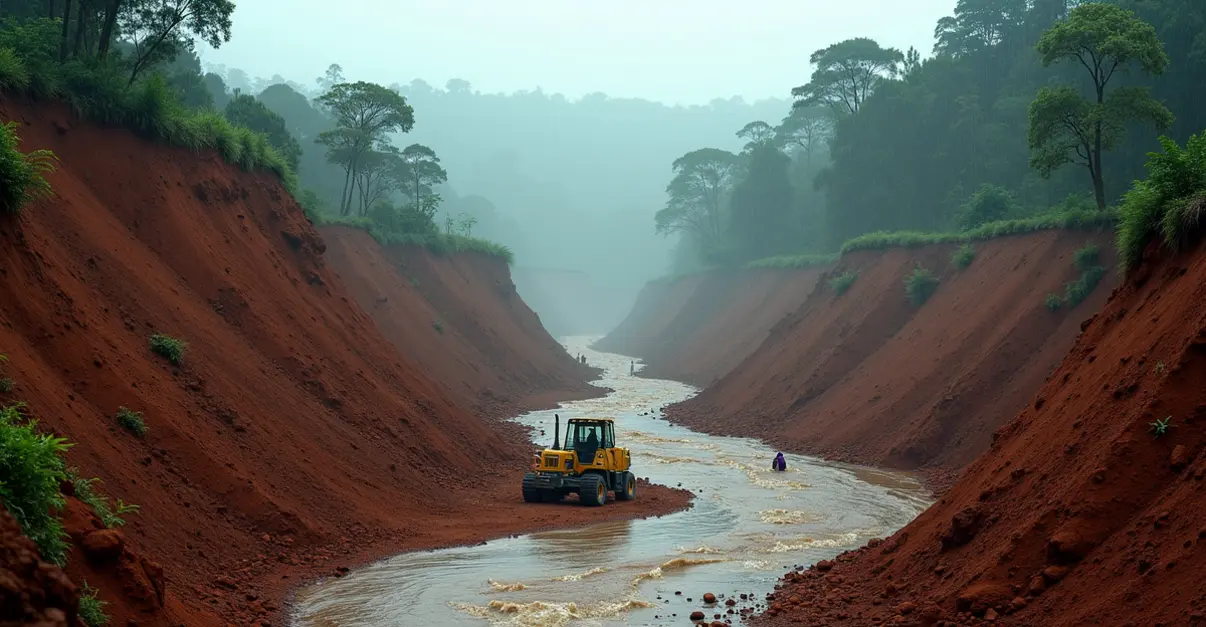
The disaster unfolded in the cities of Juiz de Fora and Ubá, located approximately 110 kilometers apart in Minas Gerais state. According to regional authorities, the area experienced what Governor Romeu Zema described as "extreme rainfall" - with precipitation levels in just a few hours matching what typically falls over an entire month. The torrential downpour caused rivers to burst their banks, triggering at least 20 landslides that swept away homes and infrastructure.
Rescue workers have conducted approximately 100 successful operations so far, but the situation remains critical with 39 people still reported missing. The hardest-hit area appears to be Juiz de Fora, where a massive landslide swept away at least 12 houses while residents were sleeping inside. Similar to the 2024 Brazil floods that killed over 200 people, this disaster highlights the increasing vulnerability of Brazilian communities to extreme weather events.
Emergency Response and Rescue Operations
Brazilian authorities have mobilized extensive resources to address the crisis. President Luiz Inácio Lula da Silva has pledged federal support, stating on social media platform X: "Our focus is on ensuring humanitarian aid, restoring basic services, supporting displaced people, and helping with reconstruction." The president's declaration came as the government announced three days of national mourning for the victims.
Emergency teams including firefighters, military personnel, and specialized search units with sniffer dogs are combing through debris in challenging conditions. The continuous rainfall has complicated rescue efforts, with forecasts predicting moderate to heavy precipitation across the affected state for the next three days. Authorities have urgently advised residents in hilly areas to evacuate their homes temporarily due to the high risk of additional landslides.
Key Statistics from the Disaster
- Confirmed fatalities: At least 30 people
- Missing persons: 39 individuals still unaccounted for
- Successful rescues: Approximately 100 operations completed
- Displaced residents: 440 people evacuated in Juiz de Fora alone
- Total displaced: Estimated 700 residents between affected cities
- Landslides reported: At least 20 separate incidents
- Rainfall intensity: Month's worth of rain in just a few hours
Climate Context and Historical Patterns
This disaster occurs against a backdrop of increasing extreme weather events in Brazil linked to climate change. Minas Gerais, with its rugged terrain and tropical climate, has become particularly vulnerable to intense rainfall events. The state experienced its wettest February on record, with Juiz de Fora recording 584 millimeters of rainfall - more than double the expected monthly average.
Meteorologists note that the region's geography, with hills, valleys, and slopes prone to mudslides, creates perfect conditions for disaster when combined with extreme precipitation. This pattern mirrors other climate-related disasters in South America that have intensified in recent years. The disaster follows a global trend of increasing extreme weather events, with January 2026 marking the 18th consecutive month of global temperatures exceeding 1.5°C above pre-industrial levels.
Impact on Infrastructure and Communities
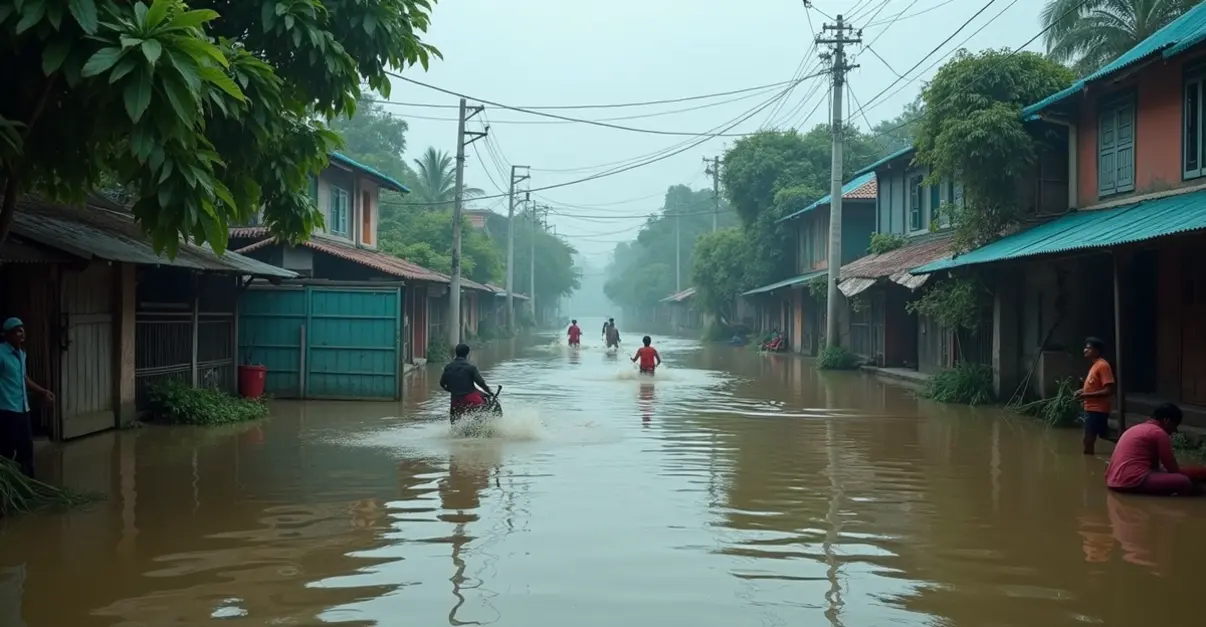
The flooding has caused widespread damage to critical infrastructure, isolating neighborhoods and disrupting transportation networks. Streets have been completely submerged, buildings have collapsed, and agricultural areas have been severely impacted. The economic consequences are expected to be significant, particularly for local farmers and businesses already struggling with previous weather disruptions.
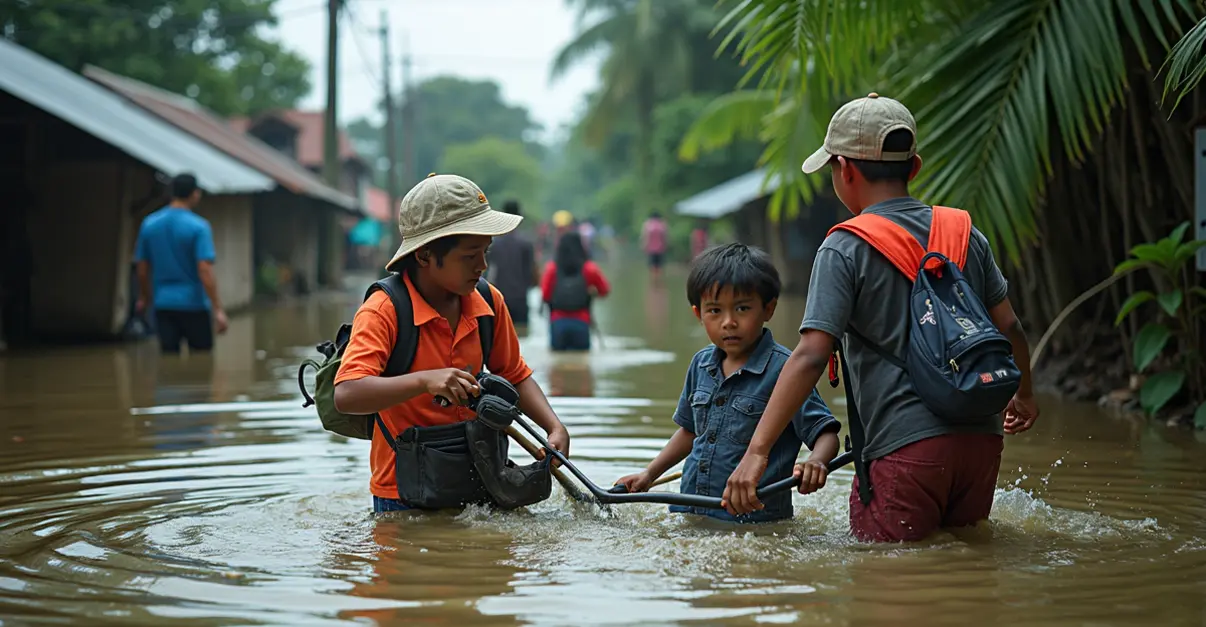
Mayor Margarida Salomão of Juiz de Fora declared a state of emergency, describing the situation as unprecedented in the city's history. Temporary shelters have been established to accommodate displaced residents, with humanitarian organizations mobilizing to provide food, water, and medical assistance. The psychological impact on affected communities is substantial, with many families losing everything in the disaster.
Long-Term Implications and Recovery
Recovery efforts will require significant investment in climate-resilient infrastructure and enhanced flood management systems. Experts suggest that Brazil needs to develop more comprehensive early warning systems and improve urban planning in vulnerable areas. The disaster highlights the urgent need for global climate adaptation strategies as extreme weather events become more frequent and intense.
Governor Zema emphasized the human toll during a press conference: "Families have lost loved ones and others are still being rescued. It is very sad to witness this event." The emotional impact on rescue workers and affected communities will likely persist long after the immediate crisis subsides.
Frequently Asked Questions (FAQ)
How many people died in the Brazil flooding?
At least 30 people have been confirmed dead, with 39 still missing as of February 25, 2026.
Where did the flooding occur in Brazil?
The disaster primarily affected the cities of Juiz de Fora and Ubá in Minas Gerais state, southeastern Brazil.
What caused the extreme rainfall in Minas Gerais?
The region experienced unprecedented rainfall intensity, with a month's worth of precipitation falling in just a few hours, overwhelming drainage systems and triggering landslides.
Is climate change responsible for the Brazil floods?
While no single weather event can be directly attributed to climate change, scientists note that extreme precipitation events are becoming more frequent and intense due to global warming.
What is being done to help flood victims?
Federal and state authorities have mobilized rescue teams, established temporary shelters, and pledged reconstruction support, with President Lula promising comprehensive humanitarian assistance.



Follow Discussion