


 Deutsch
 English
 Español
 Français
 Nederlands
 Português


 Share





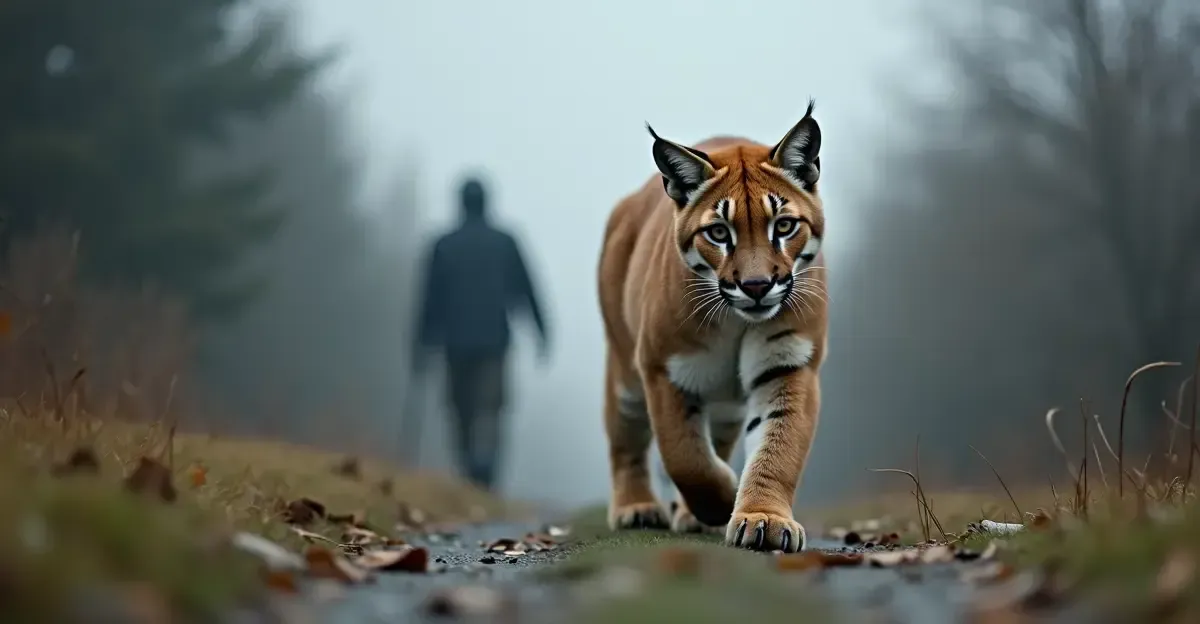
Istanbul authorities launched an intensive search on 23 November 2026 after a loose lioness was spotted in a forested area just north of the city. Turkish police, national park officials and veterinary specialists are working to capture the animal alive in the Sarıyer district, using thermal cameras to pinpoint its hiding place. The operation reflects a growing need to manage wildlife encounters in urban areas.
What Happened in Istanbul?
The search began after a resident of Uskumruköy, a neighbourhood in Sarıyer district in northern Istanbul, reported seeing the predator and immediately alerted police. The animal was later observed on camera footage in an adjacent neighbourhood. Turkey's national parks authority said on X that the local military service had also spotted an animal resembling a lion. This incident has drawn attention amid wider concerns about escaped exotic animals in Europe.
Sarıyer, a large district covering 177 km² on Istanbul's European side, is known for its forested hills and Black Sea coastline, providing ample cover for a large predator. The district's mix of pine and deciduous trees makes a visual search difficult, which is why authorities turned to thermal imaging technology.
Resident Sighting and Immediate Response
According to Turkish media, the resident who first saw the lioness contacted the police without delay. The sighting was corroborated by additional camera footage in a nearby area, prompting a coordinated response from local police, the national parks authority and military personnel. Within hours, a multi-agency operation was underway to locate the animal.
Thermal Cameras Pinpoint the Lioness
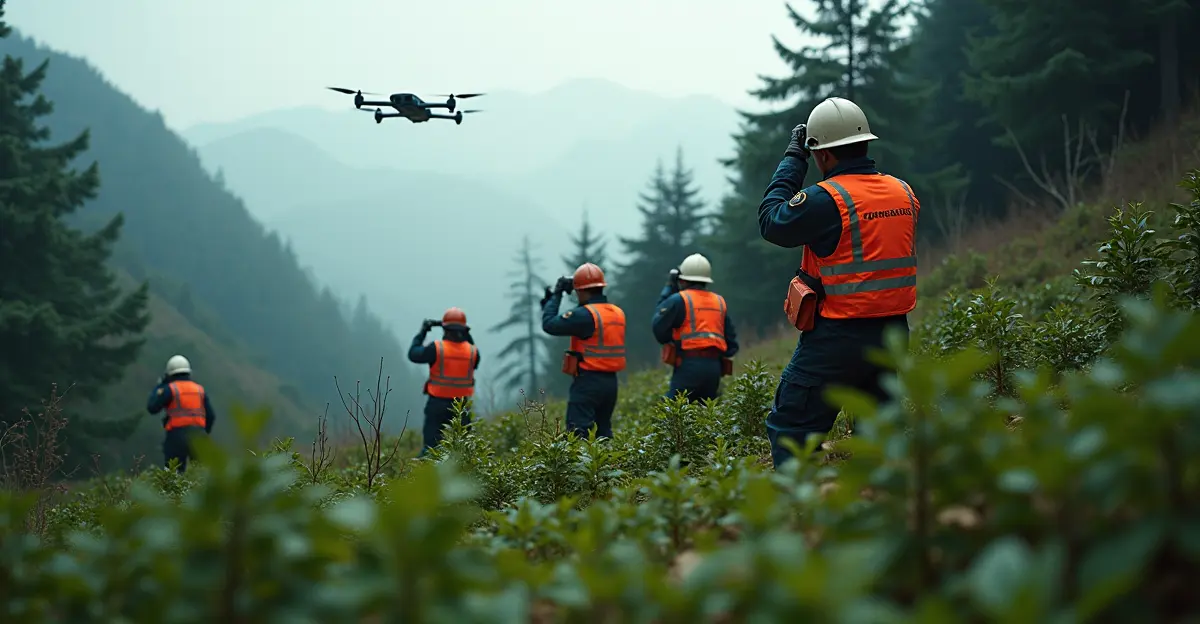
Using thermal imaging technology, authorities successfully identified the lioness's hideout in the dense forest. Thermal cameras detect body heat against the cooler forest background, allowing search teams to locate the animal even in dense vegetation and poor light. A team of specialists, including veterinarians, is on site to assist with the capture. Local officials say they are working to catch the predator alive.
Why Authorities Are Concerned
The mayor of Sarıyer said the predator appears to be 'trained and fed', raising the possibility that it was kept illegally by a private owner. If that is the case, authorities do not expect the owner to come forward. This case highlights the ongoing problem of illegal exotic pet ownership in Turkey.
Illegal Ownership of Big Cats in Turkey
It is illegal in Turkey to keep and raise animals of this category. Turkish media reported that the lioness may belong to a private individual, but its origin and ownership remain unconfirmed. The incident has renewed debate over enforcement of exotic animal regulations in the country.
Public Safety Measures
Residents have been urged to stay indoors until the lioness is captured. Authorities warned that staying inside is important for personal safety and to avoid hindering the search. Key safety recommendations include:
- Remain indoors and keep doors and windows closed
- Report any sightings to local police immediately
- Do not attempt to approach or feed the animal
What Happens Next?
The operation to capture the lioness is being coordinated with Turkish wildlife protection authorities. Specialists are using thermal cameras and other non-lethal methods to bring the situation under control. It remains unclear where the lioness came from or who owns it, but the priority is a safe, live capture. Once captured, the animal is expected to be transferred to a wildlife facility for assessment.
FAQ
Where is the loose lioness in Istanbul?
The lioness is in a forested area just north of Istanbul, near Uskumruköy in the Sarıyer district.
How are authorities finding the lioness?
They are using thermal cameras and camera footage, with a team of specialists including veterinarians on site.
Is the lioness dangerous?
Authorities are treating the situation as a potential public safety risk and have urged residents to stay indoors.
Is it legal to own a lion in Turkey?
No, keeping and raising animals of this category is illegal in Turkey.
Where did the lioness come from?
Its origin is unknown, but Turkish media suggest it may belong to a private individual.

Follow Discussion