


 Deutsch
 English
 Español
 Français
 Nederlands
 Português


 Share
Share




The Importance of Biodiversity in Backyard Gardens
Biodiversity, the variety of life on Earth, is crucial for maintaining healthy ecosystems. Backyard gardens play a significant role in supporting local biodiversity, especially for pollinators like bees, butterflies, and other insects. These small ecosystems can become sanctuaries for wildlife, contributing to the broader health of our planet.
Supporting Bee Populations
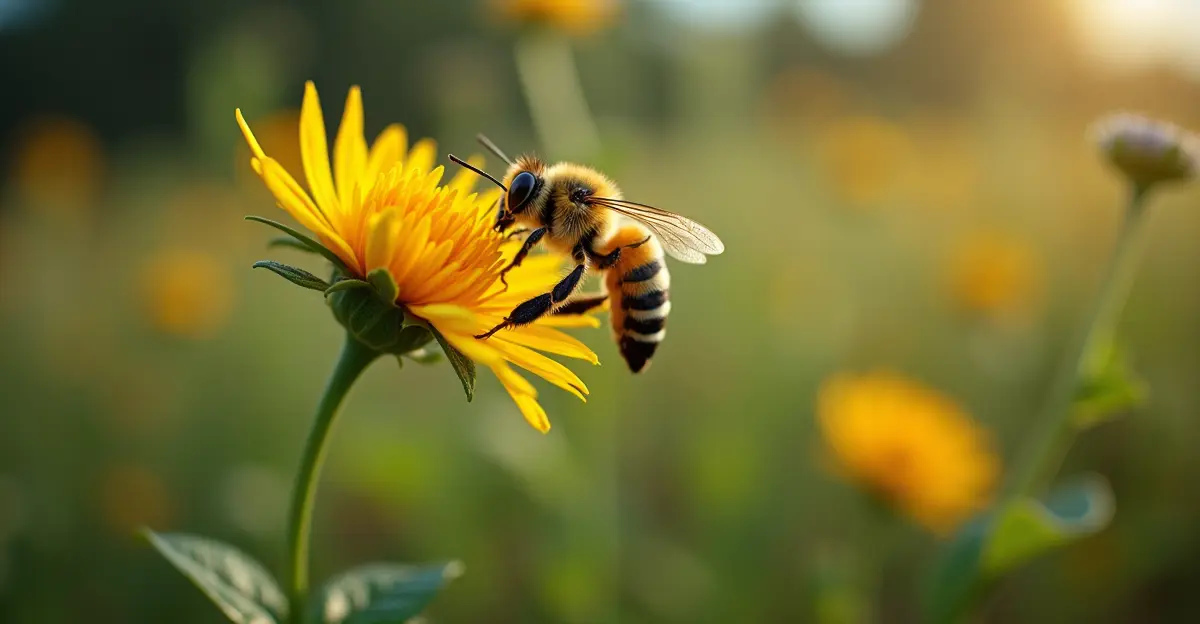
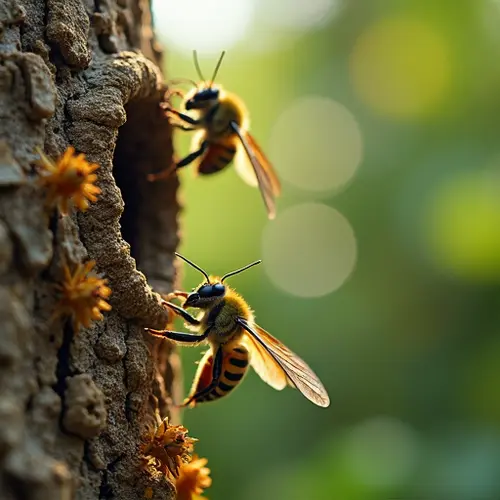
Bees are among the most important pollinators, but their populations are declining due to habitat loss, pesticides, and climate change. By planting native flowers, avoiding chemical pesticides, and providing water sources, gardeners can create a bee-friendly environment. Studies show that even small gardens can support hundreds of bee species, making a tangible difference in conservation efforts.
Enhancing Local Ecology
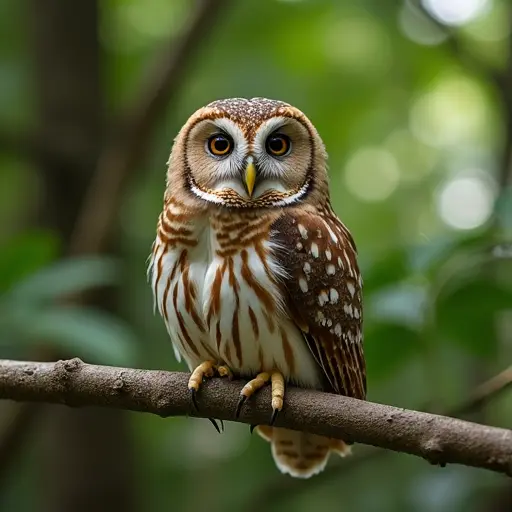
Beyond bees, backyard gardens can support a variety of wildlife, including birds, amphibians, and beneficial insects. Diverse plantings mimic natural habitats, offering food and shelter for these creatures. For example, berry-producing shrubs attract birds, while leaf litter provides hiding spots for insects and small mammals.
Practical Steps for Gardeners
To maximize biodiversity, gardeners should:
- Plant a mix of native species.
- Avoid monocultures and opt for diverse plantings.
- Reduce or eliminate pesticide use.
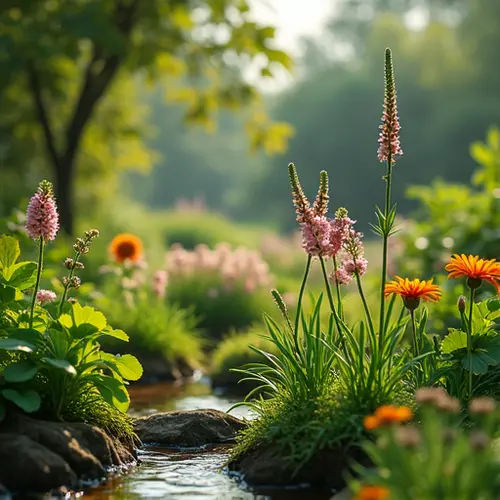
- Incorporate water features like birdbaths or small ponds.
- Leave some areas of the garden wild to provide natural habitats.
By taking these steps, even small backyard gardens can become vital refuges for biodiversity, helping to counteract the global decline in species.
Follow Discussion