Nederlands
 English
 Deutsch
 Français
 Español
 Português





Major Funding Initiative Launches for Coastal Mangrove Restoration
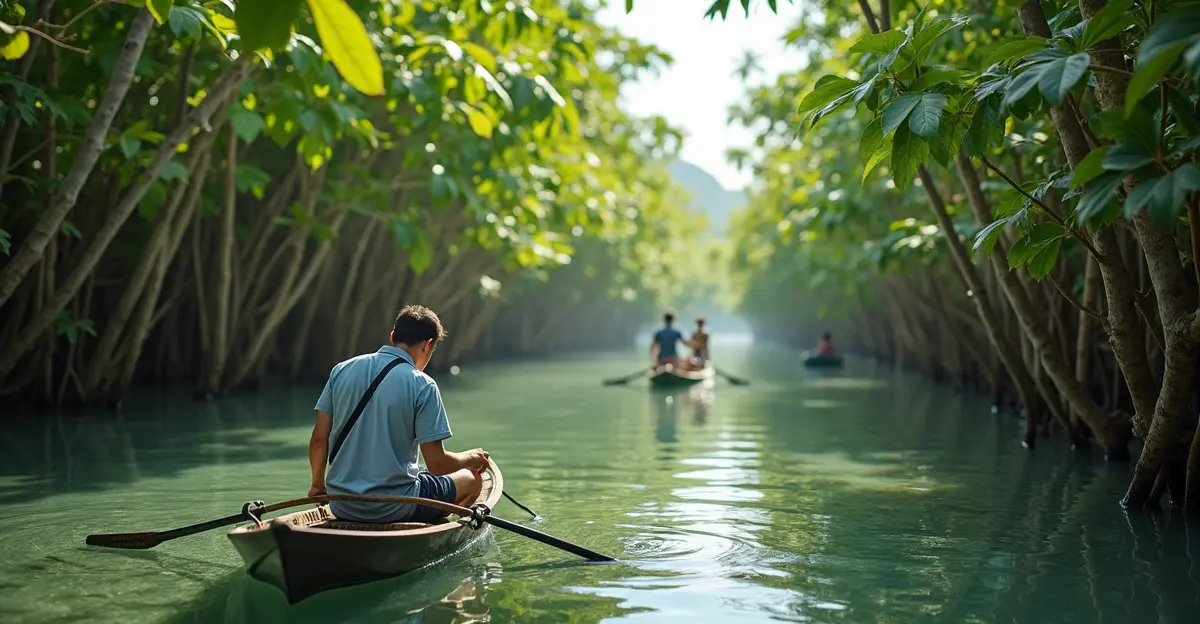
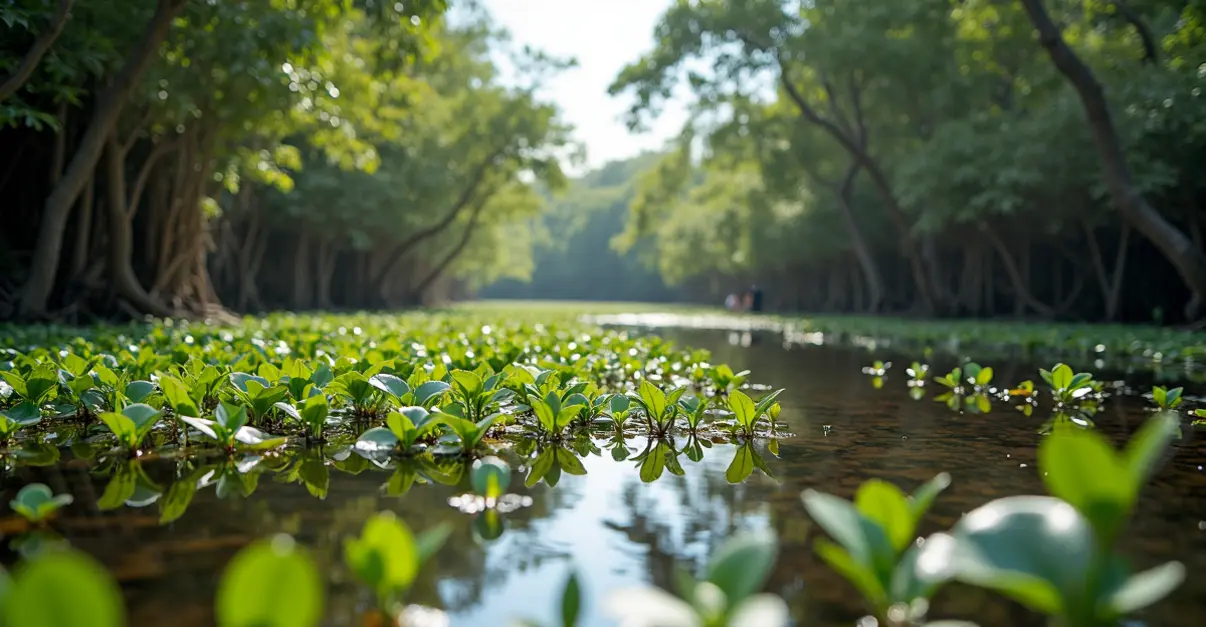
A comprehensive national program has launched with $10 million in funding for coastal mangrove restoration projects, creating what experts are calling a 'triple-benefit approach' for biodiversity conservation, storm protection, and economic development. The initiative, which provides restoration implementation grants ranging from $1-10 million through the National Coastal Resilience Fund, represents one of the most significant investments in coastal ecosystem restoration in recent years.
'This isn't just about planting trees - it's about rebuilding entire coastal ecosystems that protect communities, support fisheries, and fight climate change,' says Dr. Maria Rodriguez, a coastal ecologist at the University of Florida who has been involved in mangrove restoration research for over 15 years.
Biodiversity Hotspots and Storm Protection
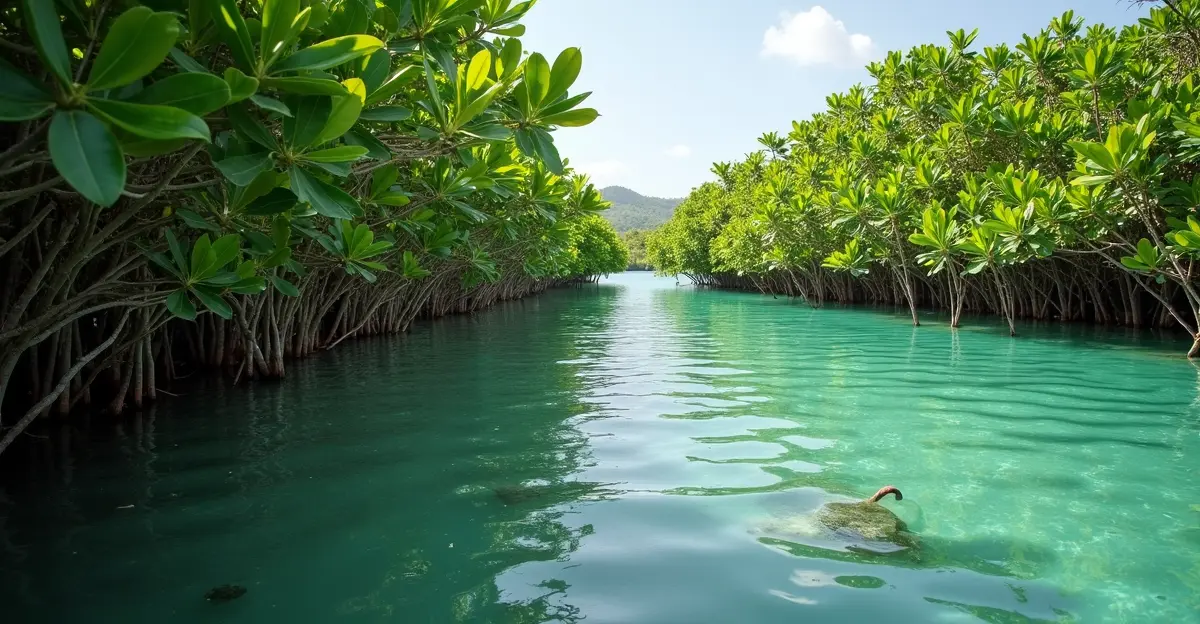
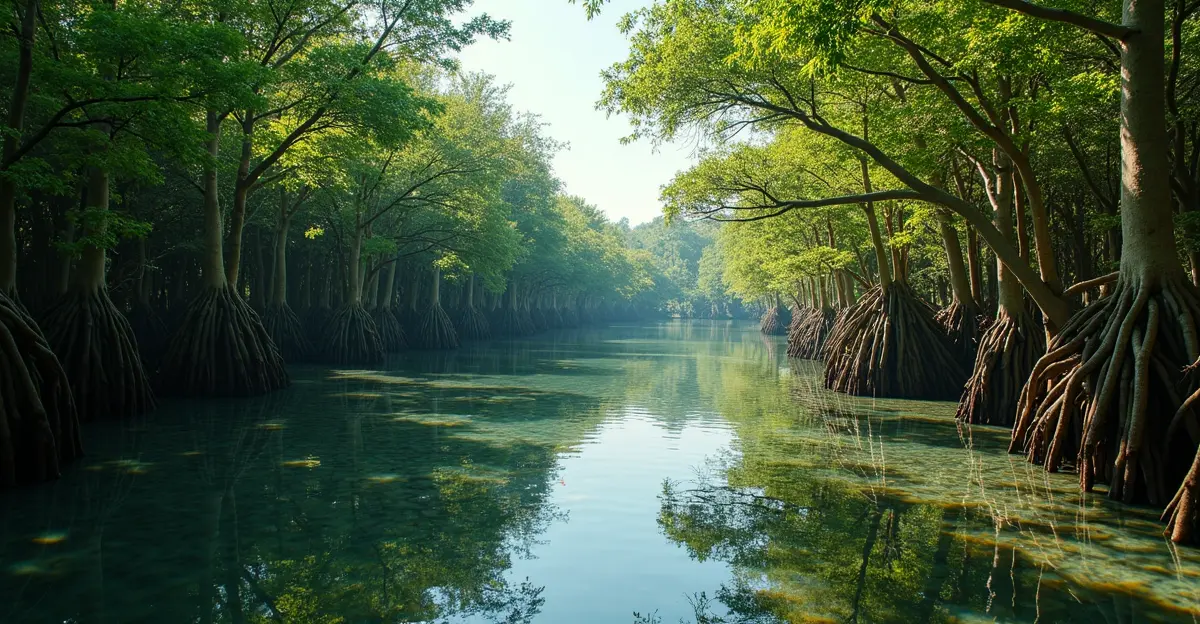
Mangroves serve as critical biodiversity hotspots supporting over 1,300 fish species while providing natural storm barriers that can reduce wave energy by up to 66%. These unique coastal forests create essential habitats for numerous marine and terrestrial species, including the critically endangered Atlantic goliath grouper, which utilizes mangroves as a nursery for the first 5-6 years of life.
The physical structure of mangrove roots buffers shorelines from erosive impacts of ocean waves and storms, while their dense networks absorb floodwaters and slow sediment flow. 'During Hurricane Ian, communities with intact mangrove forests experienced significantly less damage than those without this natural protection,' notes coastal engineer James Wilson, who has studied mangrove storm protection effects for the past decade.
Blue Carbon Credits and Climate Benefits
The program leverages blue carbon credits, recognizing mangroves' exceptional carbon sequestration capabilities. Research published in Nature Communications reveals that mangrove soils store 3-5 times more carbon per hectare than tropical rainforests, making them among the most effective natural carbon sinks on the planet.
A 20-year restoration program could sequester 19.4 teragrams of carbon in mangrove soils, generating $68.6-236 million through blue carbon trading. 'The climate benefits alone make mangrove restoration one of the most cost-effective climate investments available today,' explains climate economist Dr. Sarah Chen, who authored the recent study on mangrove ecosystem service values.
Job Creation and Community Benefits
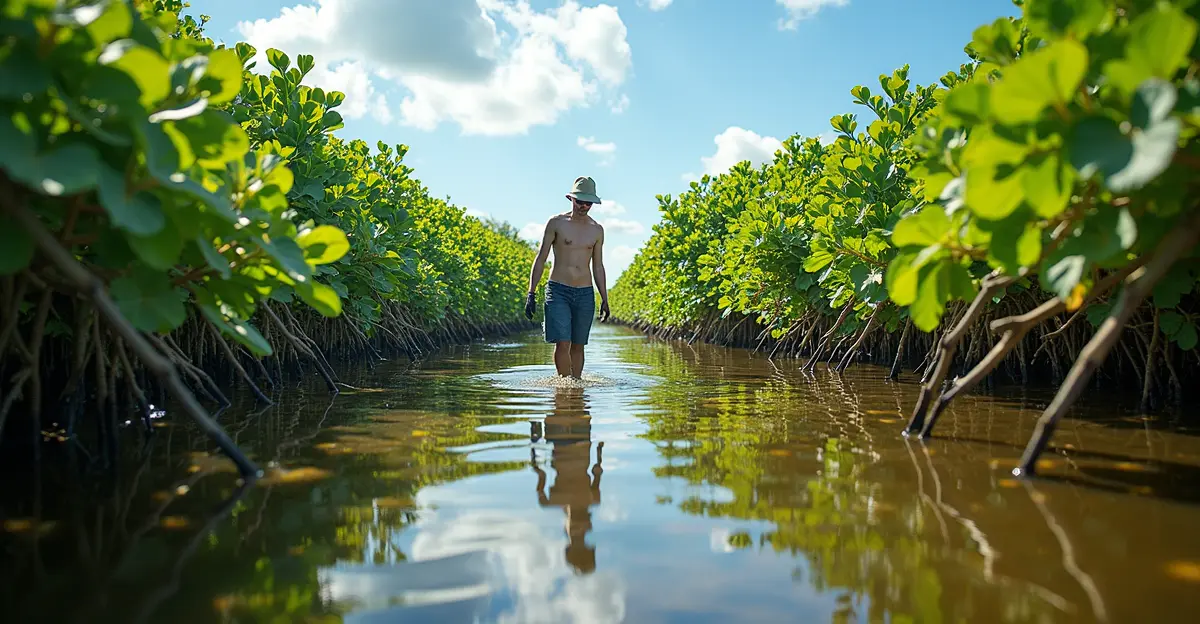
The initiative creates substantial employment opportunities in coastal communities for restoration technicians, environmental educators, and related positions. According to job listings on platforms like ZipRecruiter, mangrove restoration jobs currently offer hourly wages ranging from $17 to $112, with positions actively hiring as of December 2025.
'Local communities are at the heart of successful restoration projects. We're not just creating jobs - we're building skills and knowledge that will benefit these coastal areas for generations,' says community organizer Luis Martinez, who has worked on mangrove restoration projects in Florida and the Caribbean.
Funding Timeline and Project Priorities
The funding timeline includes pre-proposals due May 2025, full proposals in June 2025, and awards announced November-December 2025. The program prioritizes projects in coastal watersheds near vulnerable communities and critical infrastructure, with a focus on areas most at risk from storm surges and sea-level rise.
According to the program details, successful projects will demonstrate clear pathways to achieving all three benefits: biodiversity enhancement, coastal protection, and economic development through job creation and sustainable resource use.
Global Context and Future Outlook
This initiative comes at a critical time, as global mangrove coverage continues to decline due to aquaculture, agriculture, and urbanization. The recent entry into force of the High Seas Treaty (BBNJ agreement) in January 2026 establishes a framework to protect biodiversity in international waters, creating additional momentum for coastal conservation efforts.
'We're seeing a global recognition that coastal ecosystems like mangroves are not just environmental assets but economic and social ones too,' concludes Dr. Rodriguez. 'This funding represents a shift toward integrated approaches that recognize the multiple values these ecosystems provide.'