Deutsch
 English
 Español
 Français
 Nederlands
 Português






Deadly Human-Elephant Conflict Escalates in Southern Kenya
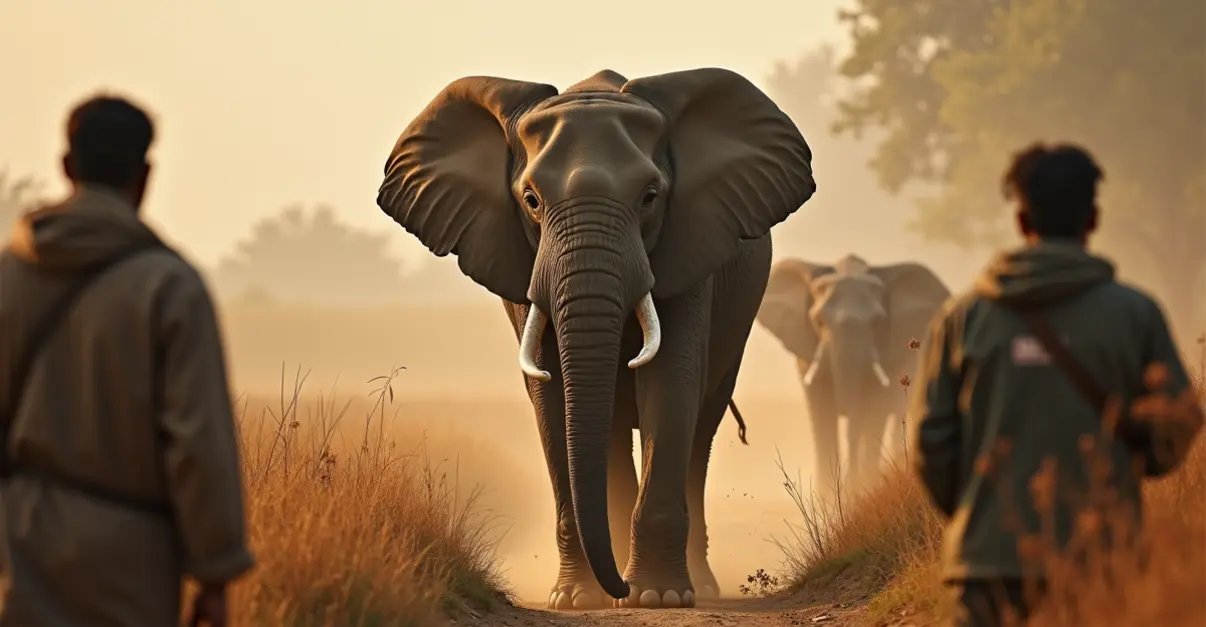
In a tragic escalation of human-wildlife conflict, Kenyan authorities have been forced to shoot and kill two elephants in Kajiado West district after the animals were linked to multiple fatal attacks on local residents. The incidents, which occurred within a single week, have left four people dead and sparked growing unrest in communities south of Nairobi.
The Kenya Wildlife Service (KWS), the government agency responsible for wildlife conservation, confirmed the lethal intervention as a last-resort measure to protect human life. 'Out of preliminary observations, it appears the involved elephant had injuries consistent with spears and arrows, indicating a possible earlier confrontation,' KWS stated in an official release.
Climate Change and Resource Scarcity Fuel Conflict
Experts point to climate change and resource scarcity as underlying causes of the escalating conflict. Kenya has experienced below-average rainfall during the current rainy season, creating food shortages for both humans and wildlife. Elephants, which require up to 300 liters of water daily, are increasingly venturing into human settlements in search of sustenance.
According to WWF research, Africa suffers disproportionately from climate impacts despite contributing minimal greenhouse gas emissions. Recent severe droughts in Kenya have already claimed hundreds of elephant lives, with 205 elephants dying between February and October 2022 alone.
'Climate change is now a bigger threat to elephants than poaching,' notes the Kenya Wildlife and Tourism Board. The International Fund for Animal Welfare reports that rising temperatures above elephants' ideal range of less than 24°C cause heat stress, particularly affecting older elephants crucial for herd leadership.
Critical Elephant Corridor at Heart of Conflict
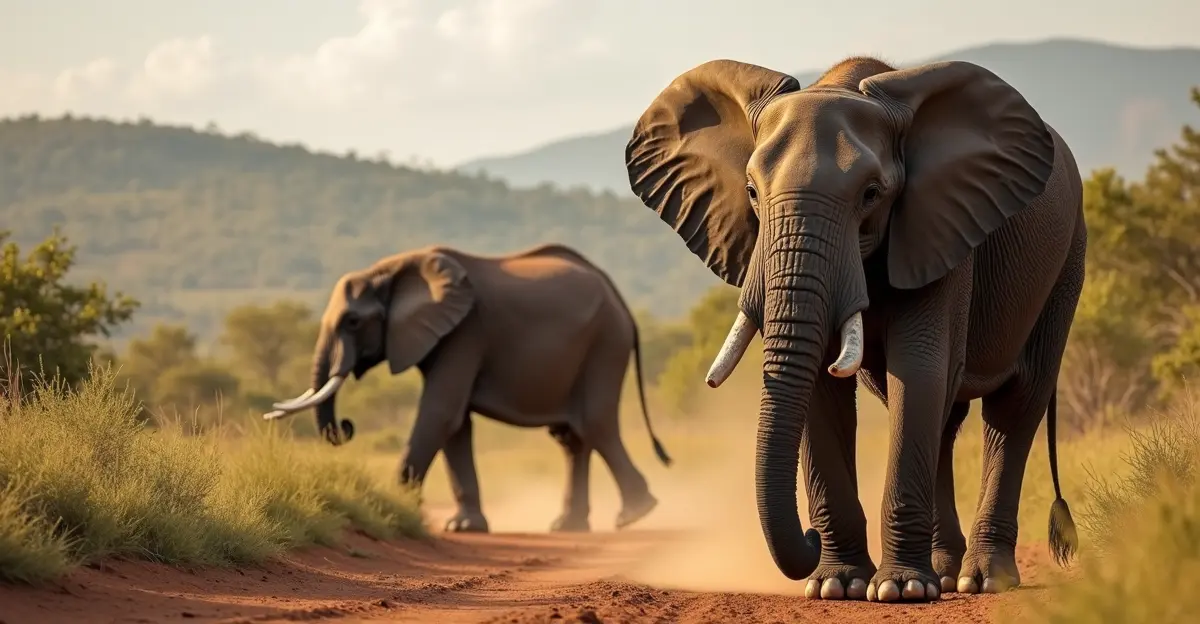
The affected Kajiado West area lies along an established elephant corridor used by animals traveling from Emara and Magadi regions to Amboseli National Park. This migration route has become increasingly problematic as human settlements expand into traditional wildlife territories.
Conservation research shows that decades of GPS tracking data reveal distinct 'elephant highways' that animals use to access seasonal food and water. However, new infrastructure development is increasingly blocking these traditional routes.
Kajiado West MP George Sukuya reported that elephants have been obstructing roads and accessing homesteads, with victims attacked at or near their homes. The most recent victim was a man attacked while herding his goats on Tuesday.
Broader Pattern of Human-Wildlife Conflict
This incident reflects a broader pattern of increased lethal human-elephant conflicts across Kenya in 2025. Similar fatal incidents have been reported in Isiolo, Kwale, Kitui, Samburu, Narok, Laikipia, and Kericho counties.
According to the IUCN definition, human-wildlife conflict refers to negative interactions between humans and wild animals with undesirable consequences for both people and wildlife. The organization notes that such conflicts have increased in recent decades due to human population growth and land use transformation.
Government Response and Compensation Scheme
The Kenyan government operates a compensation scheme for victims of wildlife attacks, with thousands of victims or their families receiving payments over the years. However, community members express frustration with what they perceive as inadequate preventive measures.
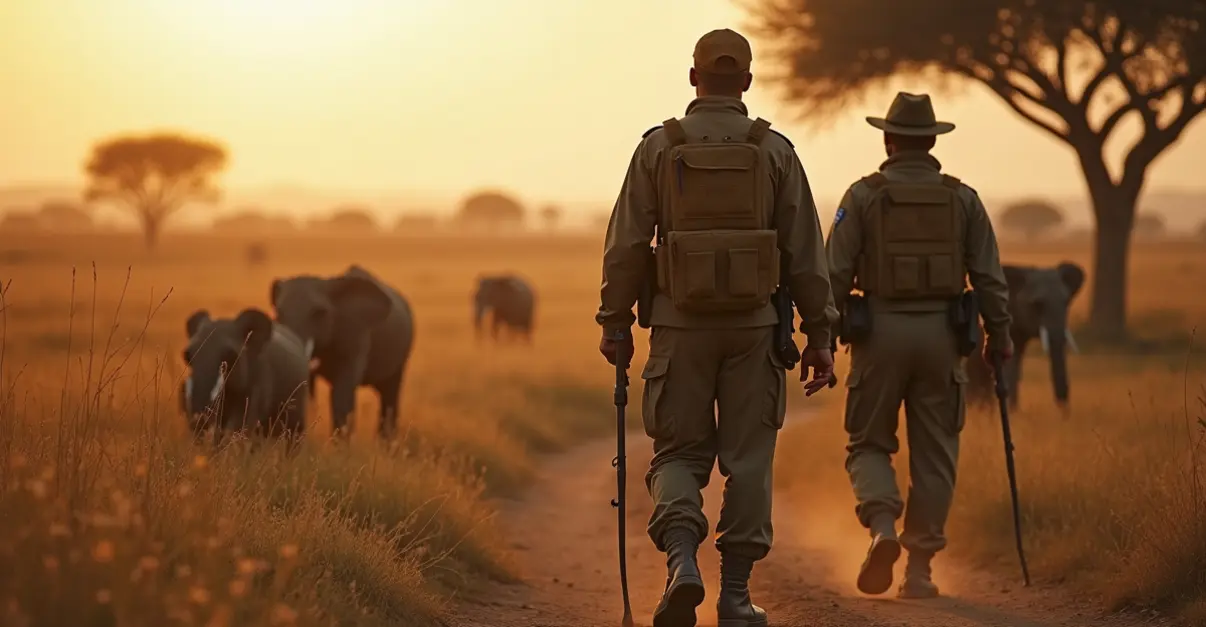
KWS has promised to implement preventive measures and reduce the risk of future incidents, though specific details have not yet been announced. The agency called for calm while acknowledging the complex challenges of balancing conservation with community safety.
As reports indicate, the situation has sparked public protests, with local communities demanding more effective action from authorities to address safety concerns.
Long-Term Solutions Needed
Conservationists emphasize that long-term solutions must address the root causes of conflict. These include protecting migration corridors, implementing community-based conservation programs, and developing climate-resilient strategies for both wildlife and human communities.
The Kenyan government recently issued a Cabinet order establishing wildlife migration corridors to enhance conservation efforts, as reported by Nation Africa. This policy aims to secure traditional migration routes threatened by human development and infrastructure projects.
As climate change continues to reshape Kenya's ecosystems, finding sustainable solutions to human-wildlife conflict remains one of the country's most pressing conservation challenges.