Deutsch
 English
 Español
 Français
 Nederlands
 Português






Historic Repatriation of 70-Million-Year-Old Fossil
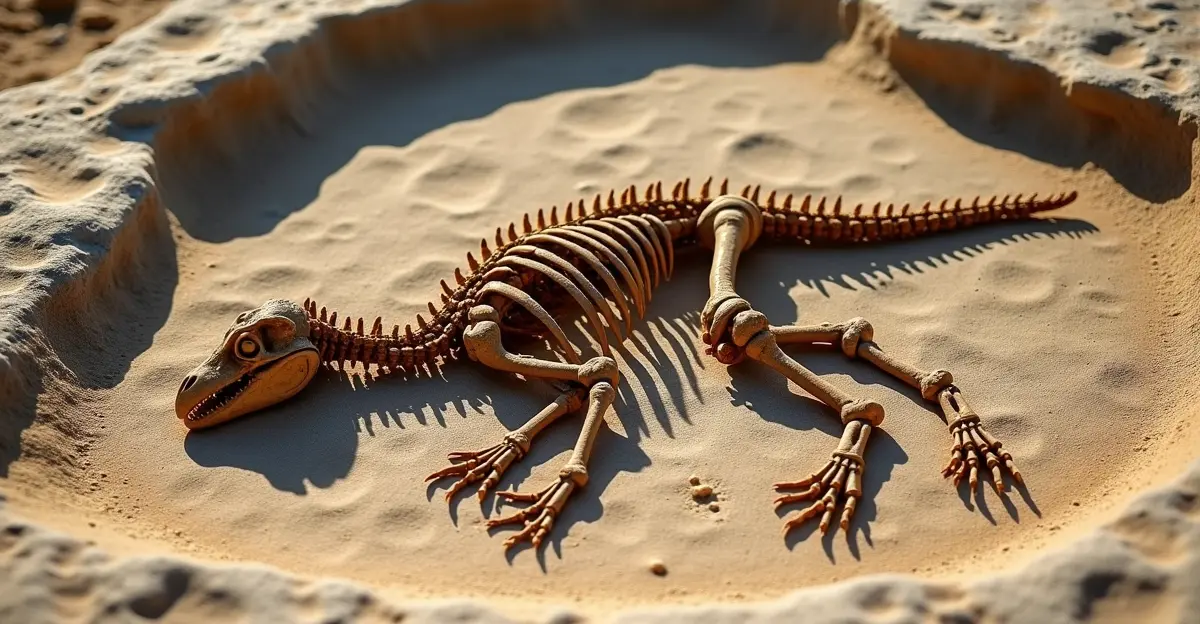
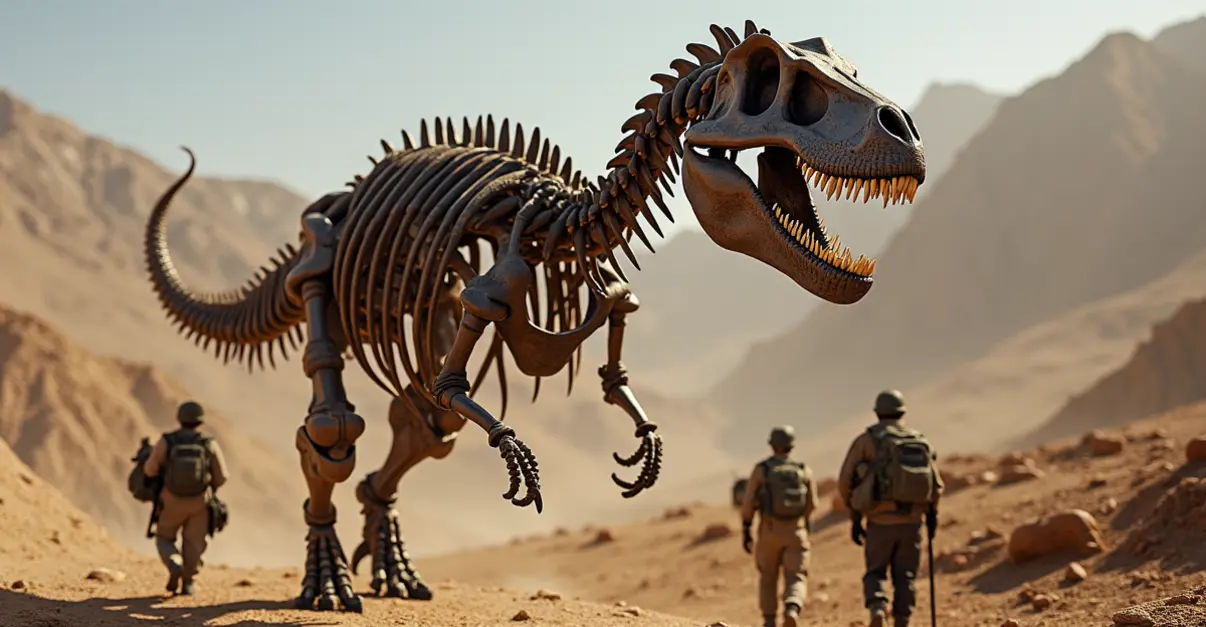
In a significant ceremony held in Paris on December 8, 2025, France officially returned a stolen dinosaur skeleton to Mongolia, marking a major victory in the fight against illegal fossil trafficking. The fossil, identified as a Tarbosaurus bataar - often called the Asian cousin of the Tyrannosaurus rex - was looted from Mongolia's Gobi Desert in 2015 and later seized by French customs after being smuggled through South Korea.
A Scientific and Cultural Treasure
French Public Accounts Minister Amelie de Montchalin presided over the handover ceremony, where she described the fossil as 'an extremely rare scientific and cultural treasure.' 'Today, a piece of the Gobi Desert returns to its homeland,' she declared during the event. 'This is the restitution of a scientific and cultural treasure that belongs to Mongolia's heritage.'
The skeleton, estimated to be 70 million years old, represents one of the most complete Tarbosaurus specimens ever recovered. Along with the main skeleton, France also returned approximately 30 other items including dinosaur eggs and additional fossil fragments. When originally seized in 2015, the skeleton was valued at around €700,000, but experts now estimate its worth has increased to between €1.5 and €2.5 million due to rising market prices for rare fossils.
The Tarbosaurus Bataar: Asia's Apex Predator
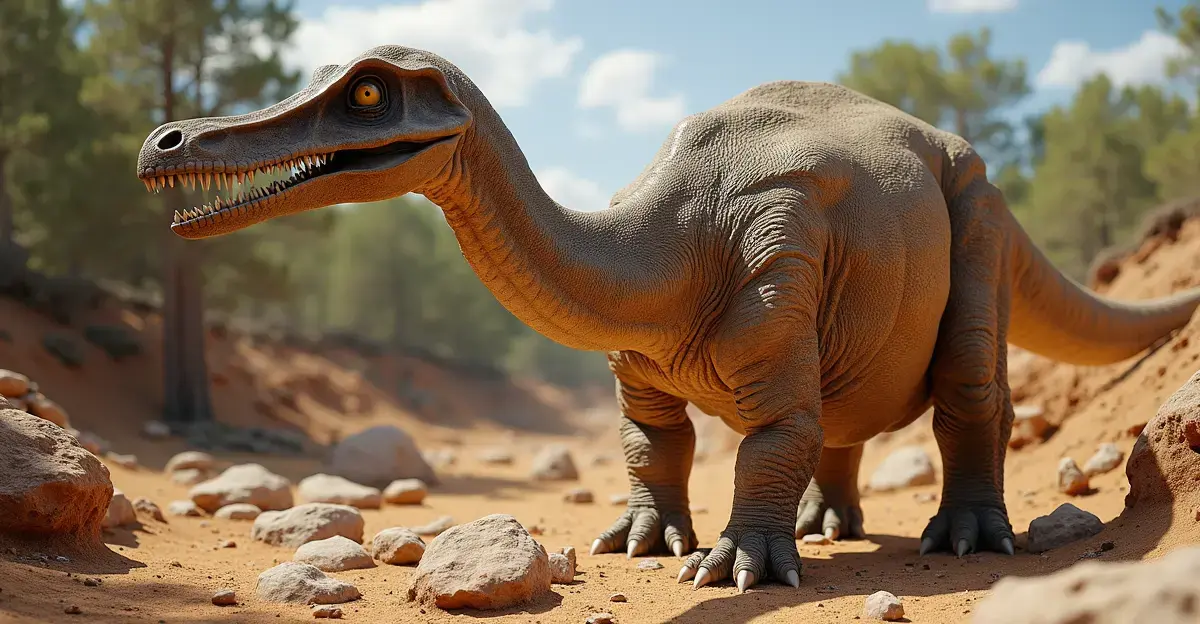
The Tarbosaurus bataar was a massive carnivorous dinosaur that dominated Asia during the Late Cretaceous period, approximately 70-66 million years ago. According to paleontological research, this apex predator measured about 10 meters (33 feet) long, stood 3 meters (9.8 feet) tall at the hips, and weighed up to 4.5-5 metric tons. It inhabited humid floodplains in what is now the Gobi Desert region, preying on large herbivorous dinosaurs like hadrosaurs and sauropods.
As described in scientific literature, Tarbosaurus had distinctive features including a unique jaw locking mechanism, approximately 60 large teeth, and the smallest arms relative to body size among tyrannosaurids. It's closely related to the North American Tyrannosaurus rex, with some experts considering them synonymous, though most maintain they are separate species within the same family.
Mongolia's Fight Against Fossil Smuggling
Mongolian Culture and Sports Minister Undram Chinbat expressed profound gratitude for the return, stating: 'It is for me and all Mongolians very important that the fossils are back.' The minister emphasized that the fossils would undergo restoration and scientific study before being displayed in a planned museum in Mongolia.
This repatriation is part of Mongolia's broader efforts to reclaim stolen fossils that have been illegally exported since American explorer Roy Chapman Andrews first discovered dinosaur eggs in the Gobi Desert a century ago. Under Mongolian law, all fossils discovered in the country are considered government property, and their export without permission is strictly prohibited.
The Eric Prokopi Connection
The case connects to a larger network of fossil smuggling operations, most notably involving American fossil dealer Eric Prokopi. In 2014, Prokopi was sentenced to three months in prison for smuggling dinosaur bones, including a Tarbosaurus bataar skeleton that sold at auction for over $1 million. According to U.S. Department of Justice records, Prokopi pleaded guilty to illegally importing fossils from Mongolia and China between 2010-2012 by falsifying customs documents.
Prokopi, described by prosecutors as a 'one-man black market in prehistoric fossils,' has since been cooperating with authorities to help recover other stolen specimens. His case significantly reduced the black market for smuggled fossils in the United States and highlighted the international nature of illegal fossil trafficking.
Celebrity Involvement: The Nicolas Cage Case
This isn't the first high-profile return of Mongolian dinosaur fossils. In 2015, actor Nicolas Cage voluntarily returned a Tarbosaurus bataar skull he had purchased for $276,000 at a 2007 auction. The skull had been illegally smuggled from Mongolia's Gobi Desert and was falsely labeled as 'fossil stone fragments' to pass through U.S. Customs.
Cage was not charged with any wrongdoing, having purchased the fossil in good faith with a certificate of authenticity. However, once the illegal origins were discovered, he promptly returned the skull to Mongolian authorities. The actor effectively paid about $40,000 per year to 'rent' the skull for seven years before its repatriation.
International Cooperation and Future Implications
The successful return of the Tarbosaurus skeleton represents growing international cooperation in combating the illegal fossil trade. French authorities worked closely with Mongolian officials throughout the investigation and repatriation process. The case sets an important precedent for other nations holding illegally obtained fossils.
According to experts, thousands of fossils have disappeared from Mongolia since dinosaur eggs were first discovered there a century ago. The country has been actively seeking to reclaim lost relics from foreign museums and private collections worldwide. This successful repatriation may encourage other countries to review their fossil collections and return illegally obtained specimens.
The returned Tarbosaurus skeleton will now undergo careful restoration by Mongolian paleontologists before being displayed to the public. As Minister Chinbat noted, 'These fossils are not just bones - they are part of our national identity and scientific heritage.' The return represents both a cultural homecoming and a significant boost for Mongolian paleontology, allowing local scientists to study one of their country's most important prehistoric predators firsthand.