


 Deutsch
 English
 Español
 Français
 Nederlands
 Português


 Share
Share




Hollywood's Labor Crisis Creates Production Gridlock
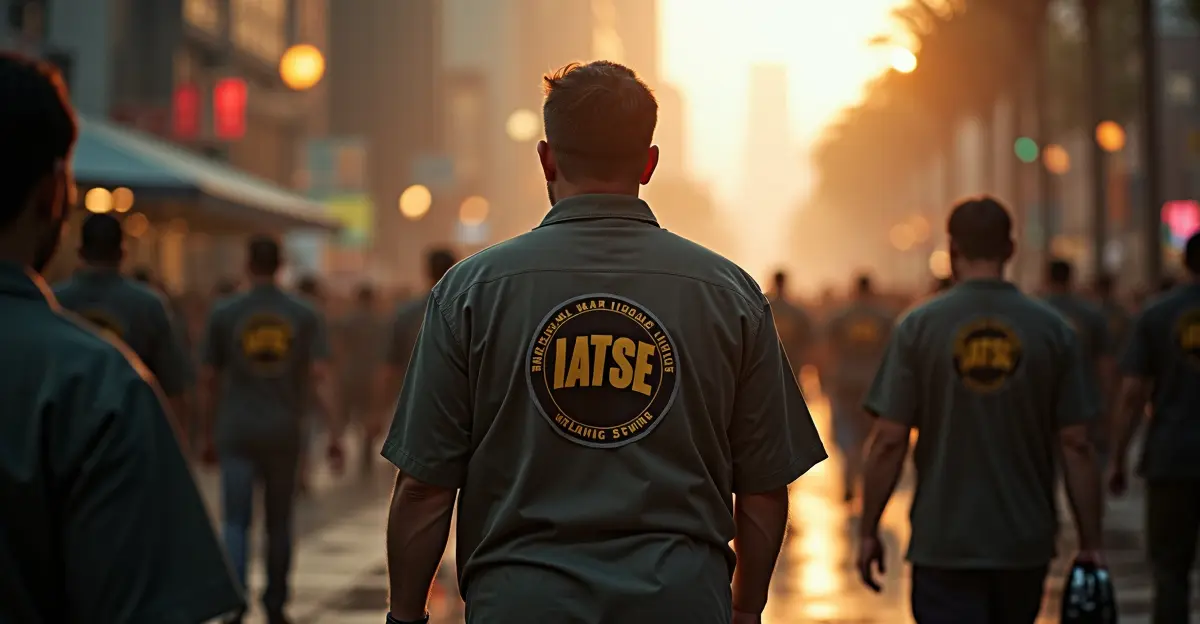
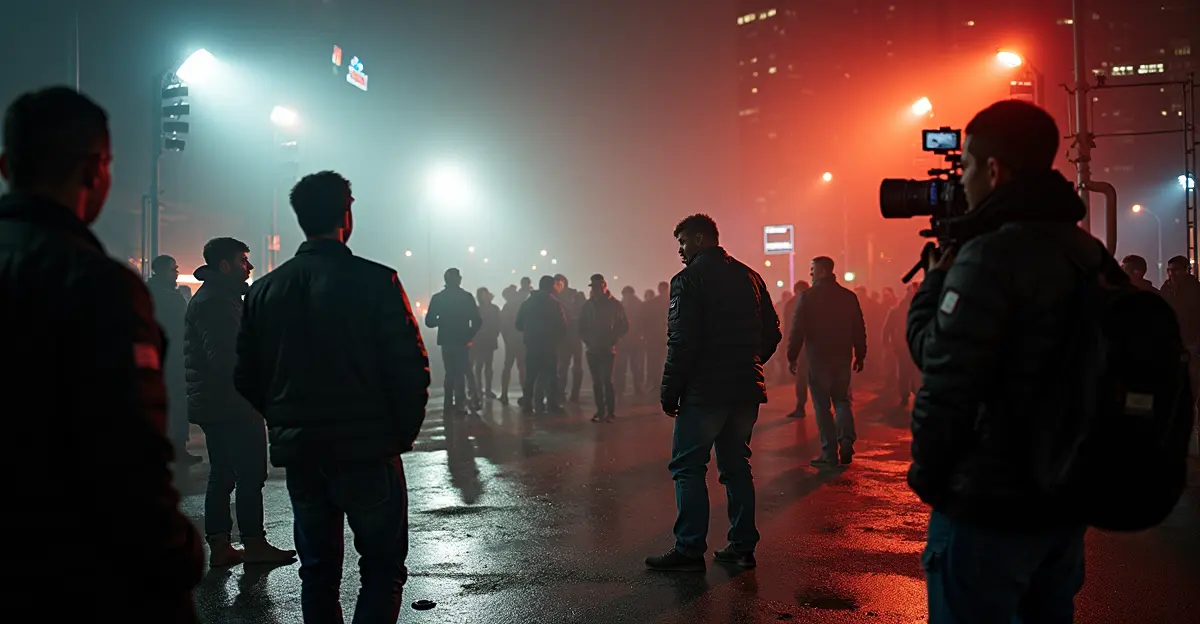
The entertainment industry is facing its most significant production crisis in decades as an ongoing labor strike has brought film and television production to a near standstill. According to recent reports, US film and TV production has plummeted by 40% compared to pre-strike levels, with major production centers like Los Angeles and Atlanta experiencing dramatic declines in activity. 'This is the most challenging period I've seen in my 30-year career,' says veteran producer Michael Goldstein. 'We have projects ready to go, but without actors and writers, everything is frozen.'
Negotiation Timeline and Key Issues
The current labor dispute follows the historic 2023 Hollywood strikes that saw both writers and actors walk out simultaneously for the first time since 1960. Those strikes, which lasted from May to November 2023, resulted in landmark agreements that addressed streaming residuals and AI protections. However, as new contract negotiations approach in 2026, tensions are rising again. SAG-AFTRA begins talks on February 9, 2026, followed by the Writers Guild on March 16, and the Directors Guild on May 11.
The primary issues remain similar to 2023: artificial intelligence protections, health plan funding, and demands for wage increases. 'AI is an existential threat to performers,' explains SAG-AFTRA negotiator Maria Rodriguez. 'We need to ensure that AI-generated performers are as expensive as human actors, otherwise we risk being replaced entirely.' The Alliance of Motion Picture and Television Producers (AMPTP) is reportedly considering proposing five-year deals instead of traditional three-year contracts to ensure longer-term labor stability.
Release Schedule Impacts
The production delays are causing ripple effects throughout the entertainment calendar. Major franchise releases scheduled for 2026 are already being affected. According to release schedules, highly anticipated films like 'The Mandalorian and Grogu' (May 22), 'Toy Story 5' (June 19), 'Moana Live-Action' (July 10), Christopher Nolan's 'The Odyssey' (July 17), and 'Avengers: Doomsday' (December 18) could face postponements if production doesn't resume soon.
The situation echoes the 2023 strikes, which caused massive delays across major productions. Paramount delayed 'Mission: Impossible - Dead Reckoning Part Two' from June 2024 to May 2025, while Disney's Marvel slate was heavily affected with 'Blade' moving to February 2025 and 'Fantastic Four' to May 2025. James Cameron's 'Avatar' sequels faced significant delays, with the third installment now expected in December 2025 instead of 2024.
Economic Consequences and Industry Impact
The economic toll extends far beyond studio balance sheets. Los Angeles is losing an estimated $150 million monthly in hospitality and service sectors, while Atlanta faces $95 million in transportation service losses. The entertainment industry has seen a 25% drop in jobs in Los Angeles since 2022, with corporate consolidation and major layoffs exacerbating the situation.
'The impact is devastating for everyone in the ecosystem,' says Los Angeles Chamber of Commerce representative Sarah Chen. 'From caterers to transportation services to local businesses that rely on production crews, the entire regional economy suffers when Hollywood stops working.' Employment for actors has dropped 17% and writers 14% since May 2023, with studios continuing to cut budgets and reduce content output.
Contingency Planning and Adaptation Strategies
Industry leaders are implementing various contingency plans to mitigate the slowdown. Virtual production technologies are being expanded, allowing some post-production work to continue remotely. Studios are also exploring flexible scheduling and international co-productions to work around talent availability issues.
Current data shows that only documentary/unscripted programming, international co-productions, and remote post-production work continue at normal levels. Feature films have declined by 42%, television series by 45%, and streaming content by 40%.
'We're getting creative with our scheduling,' explains Netflix production executive David Park. 'We're prioritizing projects that can be completed with available talent and exploring international partnerships to keep some momentum going.' However, these measures only partially address the fundamental issue: without resolution of the labor disputes, production cannot fully resume.
Looking Ahead to 2026 Negotiations
As the industry prepares for the 2026 contract negotiations, there's cautious optimism mixed with concern. The 2023 strikes established important precedents, particularly around AI protections that confirm performers own their own image and voice. However, the overall reduction in production has created a difficult environment where eight out of ten industry professionals feel the impact of reduced work opportunities.
The streaming landscape has also fundamentally changed since 2023. What was once a content boom has given way to cost-cutting measures, with streaming services absorbing quality original content that once would have been theatrical releases. This shift adds another layer of complexity to the negotiations, as traditional revenue models continue to evolve.
'We learned important lessons from 2023,' says AMPTP representative Robert Hayes. 'We need to find solutions that protect creative professionals while ensuring the industry remains economically viable. It's a delicate balance, but one we must achieve.'
The coming months will be critical for Hollywood's future. With major releases hanging in the balance and thousands of jobs at stake, all eyes are on the negotiation tables where the fate of the entertainment industry will be decided.




Follow Discussion