Nederlands
 English
 Deutsch
 Français
 Español
 Português





Historical Films Ignite Public Discourse on Accuracy and Education
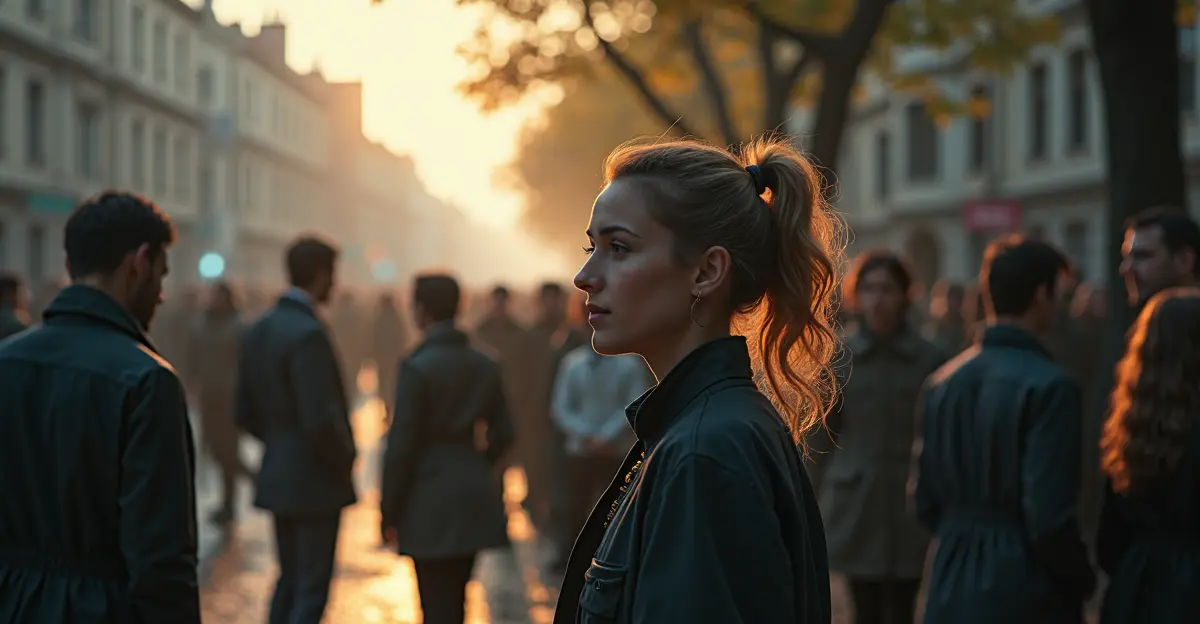
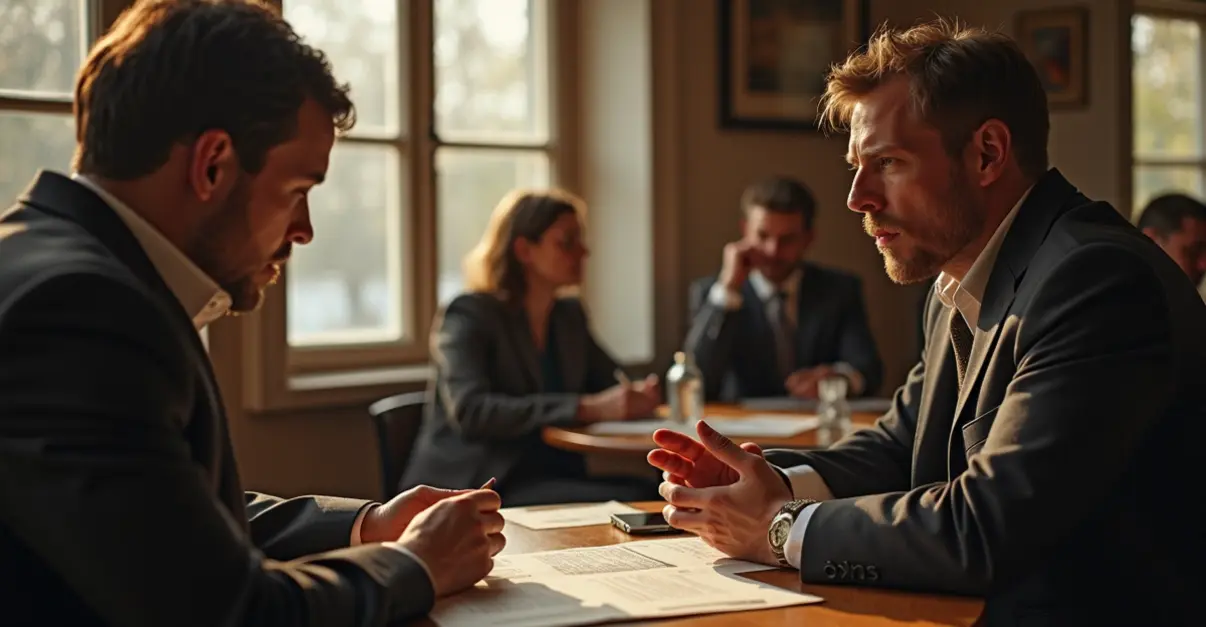
A new wave of historical films has sparked intense public debate about how history should be represented on screen, with festival screenings and educational tie-ins becoming battlegrounds for discussions about accuracy, perspective, and cultural responsibility. As filmmakers increasingly tackle complex historical narratives, audiences and educators are grappling with the 'burden of historical representation'—the weighty responsibility of portraying past events in ways that are both truthful and meaningful.
Festival Screenings as Catalysts for Dialogue
Recent film festivals have become hotbeds for these discussions. The 2025 True/False Film Festival, as reported by film critic Diane Carson for the Alliance of Women Film Journalists, showcased documentaries that pushed boundaries in historical storytelling. 'What we're seeing is a shift from passive viewing to active engagement,' noted Carson in her festival overview. 'Audiences aren't just watching history—they're questioning how it's being told.'
Similarly, the Defense of Democracy Film Festival (DDFF) 2025 has made historical representation a central theme, with a particular focus on how extremism affects public education. The festival's call for submissions specifically sought films addressing 'book bans, censorship, intellectual freedom, and teachers/public schools,' creating a platform for filmmakers to explore how historical narratives shape contemporary educational debates.
Educational Tie-Ins and Classroom Controversies
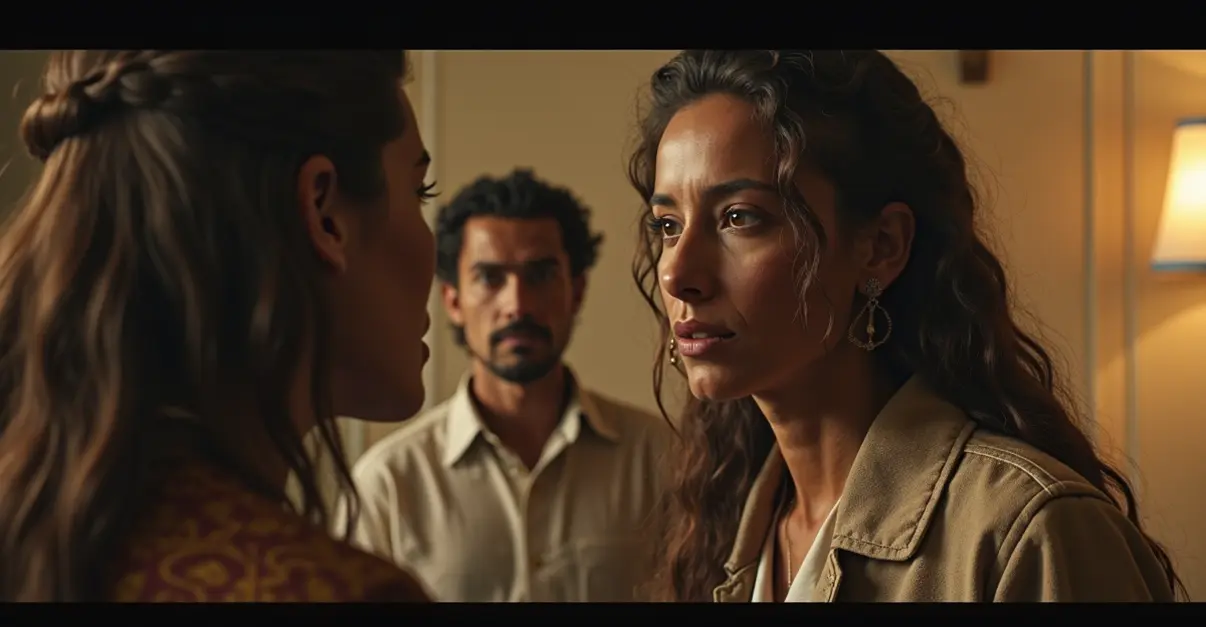
The intersection of film and education has become particularly contentious. A recent academic study examined how Hollywood films like 'Glory' (1989) and 'Amistad' (1997) are used in U.S. history classrooms to teach African American history. The research, based on surveys of 84 teachers, questioned what students actually learn about African American history and whether these films challenge dominant historical narratives.
'Films carry an enormous burden in the classroom,' explained one educator involved in the study. 'With limited time and resources, teachers often rely on movies to convey complex historical events. But we need to ask: whose history are we seeing, and whose perspective is being centered?'
The National Education Association's 2025 programming includes screenings and sessions focused on cultural responsiveness and social justice, reflecting growing institutional recognition of the importance of thoughtful historical representation in educational settings.
The Challenge of Balancing Accuracy and Storytelling
Filmmakers face significant challenges in balancing historical accuracy with compelling storytelling. As noted in analysis from Entertainment Post, films like 'Braveheart' and 'The Patriot' have faced criticism for historical inaccuracies despite their emotional impact. Meanwhile, Christopher Nolan's 'Dunkirk' (2017) demonstrated how innovative cinematic techniques could create immersive historical experiences while maintaining respect for the events depicted.
The academic article 'The Burden of Historical Representation: The Case of/for Indigenous Film' highlights particular challenges for Indigenous filmmakers navigating cultural authenticity, colonial legacies, and self-representation. 'Mainstream historical narratives have often marginalized Indigenous voices,' the article notes. 'Film offers a powerful medium for reclaiming those voices, but it comes with tremendous responsibility.'
Public Reactions and Cultural Impact
Public reactions to historical films have become increasingly sophisticated, with social media amplifying debates about representation. Audiences are no longer passive consumers but active participants in discussions about historical accuracy and cultural sensitivity.
'What's remarkable about the current moment is how democratized these conversations have become,' observed cultural analyst Maria Rodriguez. 'Through online forums, educational programs, and festival Q&As, people from diverse backgrounds are engaging with questions about how history should be represented. It's messy, it's complicated, but it's incredibly important.'
The Defense of Democracy Film Festival's planned satellite screenings in cities like Dallas, New York, and Massachusetts—complete with live Q&A sessions featuring filmmakers and experts—demonstrate how these conversations are moving beyond traditional venues into community spaces.
Looking Forward: The Future of Historical Representation
As we look to the future, several trends are emerging. Digital media is expanding access to diverse historical representations, while also raising new questions about authenticity and source verification. Educational institutions are developing more sophisticated frameworks for using film as a teaching tool, moving beyond simple 'movie days' to integrated curricula that critically examine historical representation.
Perhaps most importantly, there's growing recognition that historical representation isn't just about getting facts right—it's about whose stories get told, who gets to tell them, and how those stories shape our understanding of both past and present. As one festival organizer put it: 'Every historical film is really about the present moment. It tells us as much about who we are now as it does about who we were then.'
With film festivals continuing to serve as laboratories for these explorations, and educational institutions increasingly incorporating media literacy into their curricula, the debate over historical representation shows no signs of slowing down. What's clear is that in an era of polarized narratives and contested histories, how we represent the past on screen matters more than ever.