Deutsch
 English
 Español
 Français
 Nederlands
 Português







Historical Epic Sparks Heated Cultural Conversation
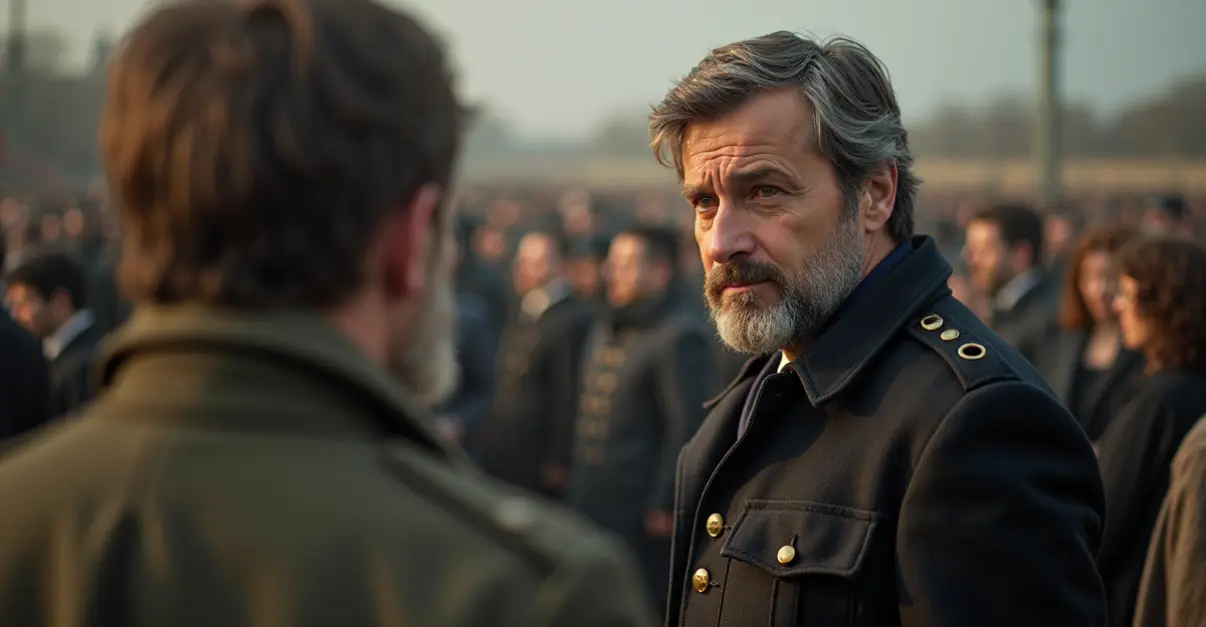
The sweeping historical drama 'Echoes of Empire' has become more than just a cinematic event—it's ignited a nationwide cultural debate about historical representation, educational curriculum, and who gets to tell history's stories. Premiering at the Sundance Film Festival in January 2025 before its wide theatrical release, the film examines the complex legacy of colonialism through the intertwined stories of indigenous communities and colonial settlers across three centuries.
Critical Reception: Divided Opinions
Critics have been sharply divided on the film's approach. 'Echoes of Empire' has received both glowing praise and scathing criticism, reflecting the broader cultural tensions it explores. 'The film manages to be both epic in scope and intimate in its character studies,' wrote film critic Maria Rodriguez in her San Francisco Chronicle review. 'It doesn't shy away from uncomfortable truths about our shared history.'
However, conservative commentators have pushed back. 'This is revisionist history dressed up as art,' argued political commentator James Wilson on a popular news network. 'It presents a one-sided view that ignores the positive aspects of civilization-building.' This division mirrors the broader debates happening in education across the country about how history should be taught.
Public Discourse: Social Media Explosion
The film has sparked intense discussion on social media platforms, with hashtags like #EchoesDebate and #WhoseHistory trending for weeks. Educational historian Dr. Sarah Chen notes, 'What we're seeing is a public grappling with historical narratives in real time. The film has become a catalyst for conversations that were already happening in academic circles to reach mainstream audiences.'
Community screenings have turned into town hall-style discussions, with some theaters hosting post-film dialogues featuring historians, indigenous leaders, and educators. 'I've never seen a film generate this level of community engagement,' says theater manager David Park, who has organized several such events. 'People are hungry to discuss these issues, and the film provides a common starting point.'
Educational Tie-Ins: Curriculum Controversy
Perhaps the most significant impact has been in education. Several school districts have incorporated 'Echoes of Empire' into their history curricula, while others have banned classroom discussions about it. The film's educational guide, developed in partnership with the National Council for History Education, has been downloaded over 50,000 times.
'This film provides an opportunity to teach historical thinking skills rather than just historical facts,' explains high school history teacher Michael Torres, who uses the film in his Advanced Placement classes. 'Students learn to analyze multiple perspectives and understand how historical narratives are constructed.'
However, this educational adoption hasn't been without controversy. Parent groups in several states have protested the film's inclusion, arguing it presents what they call a 'negative view of American history.' This tension reflects the ongoing national debate about historical narratives in education.
Festival Circuit Success
'Echoes of Empire' has enjoyed remarkable success on the festival circuit, screening at major events including the Berlin International Film Festival, Cannes, and the newly Oscar-qualifying Dallas International Film Festival. Director Anika Sharma, a first-time feature filmmaker, has been surprised by the response. 'We set out to tell a human story about people caught in historical currents,' she says. 'The fact that it's sparked these important conversations is both humbling and encouraging.'
The film's festival success has translated to commercial viability, with strong box office performance despite its challenging subject matter. Industry analysts note that audiences seem increasingly receptive to films that tackle complex social and historical issues, following the trend of socially conscious cinema highlighted in 2025's best films list.
Cultural Impact Beyond Cinema
The debate surrounding 'Echoes of Empire' extends far beyond film criticism. It touches on fundamental questions about historical memory, cultural representation, and national identity. As recent analysis shows, cultural context fundamentally shapes how films are received, and this film has become a case study in how art can reflect and influence societal conversations.
Indigenous communities featured in the film have used the attention to advocate for more accurate historical representation in media and education. 'For too long, our stories have been told by others,' says cultural advisor Lena Whitefeather, who worked on the film. 'This project represents a step toward more authentic representation and historical truth-telling.'
As the conversation continues, 'Echoes of Empire' demonstrates how cinema can serve as both mirror and catalyst—reflecting societal tensions while propelling important dialogues forward. Whether praised or criticized, the film has undeniably achieved what few historical dramas do: it has made history feel urgently present and passionately contested.