


 Deutsch
 English
 Español
 Français
 Nederlands
 Português


 Share
Share




Cross Border Rail Freight Integration 2026: Complete Guide to Customs Harmonization & Trade Facilitation
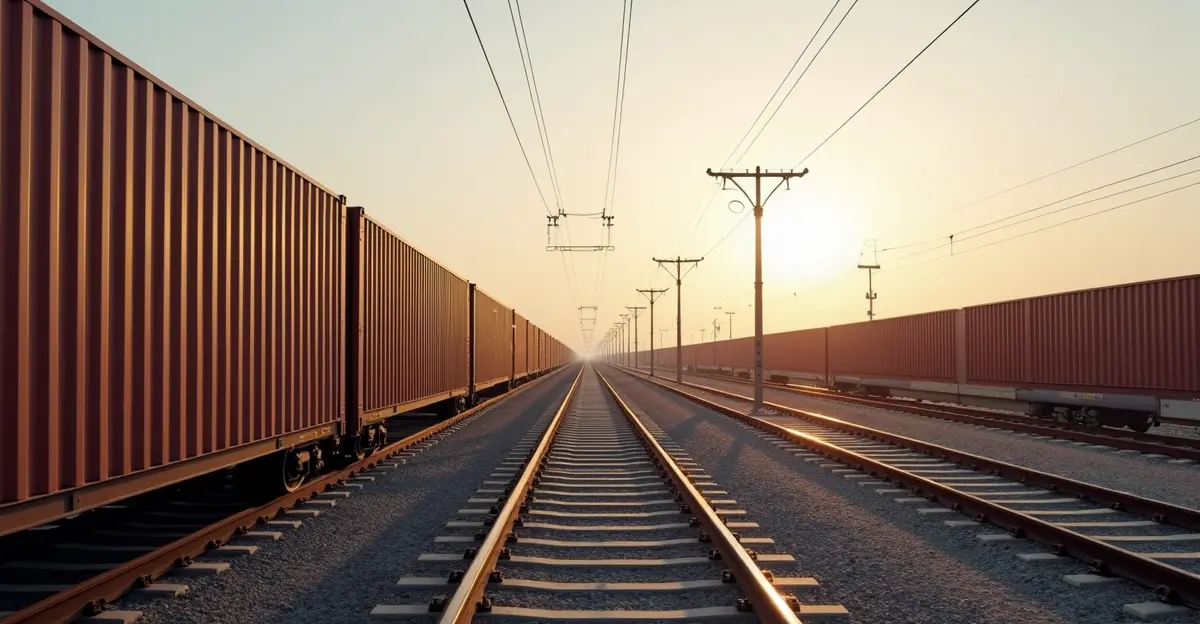
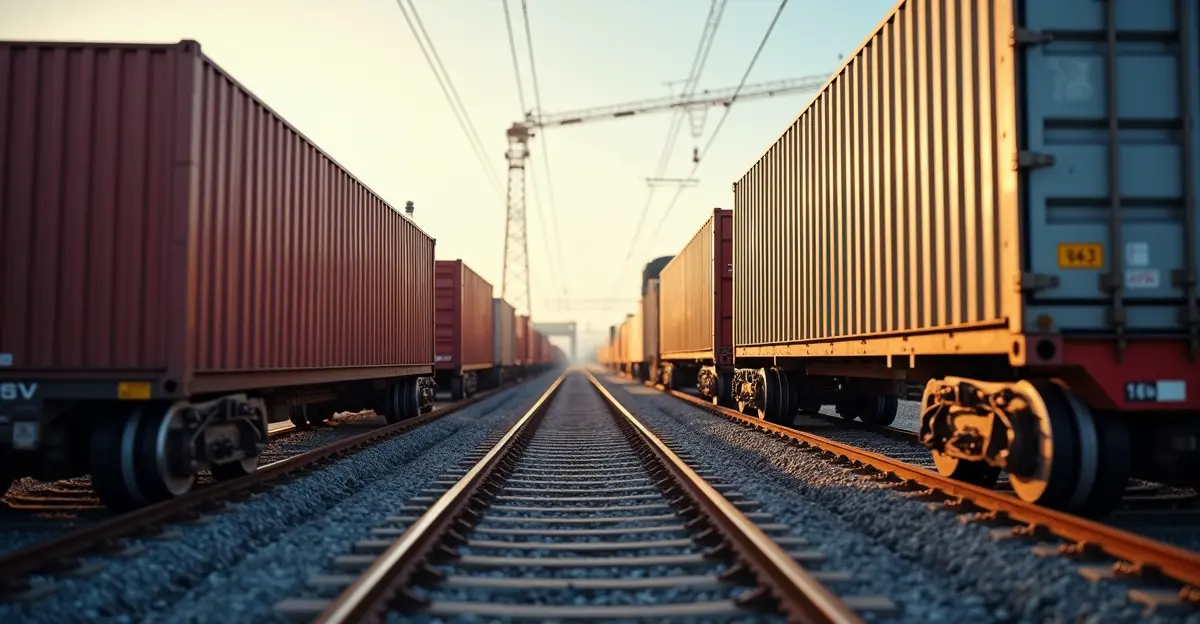
In a transformative development for global logistics, major trading nations have adopted comprehensive cross-border rail freight integration agreements in 2025-2026 that establish standardized customs procedures, harmonized documentation requirements, and streamlined border crossing processes specifically designed for rail freight operations across multiple jurisdictions. This landmark framework represents the most significant advancement in international trade infrastructure in decades, promising to revolutionize supply chain efficiency while delivering substantial environmental benefits through reduced emissions compared to traditional shipping methods.
What is Cross Border Rail Freight Integration?
Cross border rail freight integration refers to the systematic harmonization of customs procedures, regulatory frameworks, and operational standards across national boundaries to create seamless rail transportation corridors. The 2025-2026 agreements establish a unified approach where shippers can submit documentation once for entire journeys rather than dealing with separate customs authorities in each country. This 'single window' system dramatically reduces transit times and administrative burdens while creating a competitive, sustainable alternative for international trade that builds resilience against geopolitical disruptions to traditional shipping routes.
Key Components of the 2025-2026 Integration Framework
Customs Harmonization Protocols
The cornerstone of the new framework is the comprehensive customs harmonization that eliminates redundant inspections and documentation requirements. According to implementation data from early adopters, the system has reduced border processing times from an average of 28 hours to just 18 hours for rail shipments. The protocols incorporate elements from successful programs like the U.S. C-TPAT (Customs-Trade Partnership Against Terrorism) and EU's AEO (Authorized Economic Operator) system, creating a seamless logistics ecosystem connecting Asian manufacturing hubs with European consumer markets.
Corridor Investment Strategies
Strategic infrastructure investments totaling over $3 billion have been allocated to key rail corridors under the agreement. The China-Iran rail corridor, a transformative 4,000-kilometer infrastructure project connecting Yiwu, China to Qom, Iran through Kazakhstan and Turkmenistan, represents one of the most significant implementations. This strategic artery reduces freight transit times from 40 days by sea to just 15 days by rail, offering a faster, more reliable alternative to maritime shipping routes.
Trade Facilitation Mechanisms
The integration framework introduces several innovative trade facilitation mechanisms:
- Digital Documentation Systems: Electronic cargo tracking and automated customs clearance
- Standardized Regulatory Compliance: Harmonized safety and security standards across jurisdictions
- Multimodal Integration: Seamless connections between rail, road, and maritime transport
- Real-time Monitoring: GPS tracking and digital customs interfaces
Implementation Success Stories and Performance Metrics
Early implementation along key corridors demonstrates remarkable improvements in trade efficiency. The China-Iran rail route shows transit times reduced from 40 days by sea to just 15 days by rail, while the ASEAN Express corridor connecting Southeast Asia to Europe now takes under two weeks instead of 30-40 days by sea. According to Arta Rail Research (2025), the Iran-Central Asia Rail Corridor has achieved significant improvements: freight costs have fallen 18%, transit time shortened to 12 days, and trade volumes increased 22% year-on-year.
The World Bank's Trade Facilitation Support Program (TFSP) has helped 58 countries implement WTO Trade Facilitation Agreement measures, resulting in a 21% reduction in trade times and $108.7 million in private-sector cost savings. Similar patterns are emerging in the global supply chain optimization sector, where digital transformation plays a crucial role.
Environmental and Economic Benefits
Environmental Advantages
Beyond trade efficiency, rail transport offers substantial environmental benefits with lower emissions than air freight and cleaner alternatives to maritime shipping. The harmonized corridor approach creates new opportunities for landlocked countries and regions, with some corridors seeing transit volumes increase by 150%. Rail freight generates up to 75% fewer greenhouse gas emissions per ton-mile compared to truck transport and offers a more sustainable alternative to maritime shipping, which accounts for approximately 3% of global CO2 emissions.
Economic Impact
The integration framework delivers significant economic benefits across multiple dimensions:
| Metric | Improvement | Impact |
|---|---|---|
| Transit Time Reduction | 40-60% | Faster market access |
| Freight Cost Reduction | 18-22% | Lower logistics expenses |
| Trade Volume Increase | 22-150% | Enhanced economic activity |
| Border Processing Time | 35% reduction | Improved efficiency |
Challenges and Implementation Considerations
Despite the clear benefits, implementation faces several challenges including different national regulatory frameworks and infrastructure standards. Digitalization with electronic documentation and real-time tracking is key to success, but requires significant investment in technology infrastructure. The protocols must navigate complex international regulatory compliance requirements while maintaining security standards across borders.
Key implementation challenges include:
- Varying national regulatory frameworks and compliance requirements
- Infrastructure disparities between developed and developing nations
- Cybersecurity concerns in digital documentation systems
- Coordination between multiple government agencies and private stakeholders
- Financing mechanisms for infrastructure upgrades in developing regions
Expert Perspectives on Future Development
Industry experts emphasize the transformative potential of these integration agreements. 'The 2025-2026 rail freight integration framework represents the most significant advancement in global logistics since containerization,' notes Daniel Takahashi, author and international trade analyst. 'By creating seamless corridors with harmonized customs procedures, we're not just improving efficiency—we're fundamentally reshaping global trade patterns and creating new economic opportunities for landlocked regions.'
The UNECE White Paper published in June 2025 provides comprehensive guidelines for establishing Regional Single Window systems that enable traders to submit regulatory documents through a single digital entry point to multiple government agencies. This approach aligns with the broader trend toward digital trade transformation that is revolutionizing global commerce.
Frequently Asked Questions (FAQ)
What is the main benefit of cross-border rail freight integration?
The primary benefit is dramatically reduced transit times—up to 60% faster than maritime shipping—combined with lower costs and reduced environmental impact through decreased emissions.
How does the 'single window' customs system work?
Shippers submit documentation once through a unified digital platform that shares information with all relevant customs authorities along the route, eliminating redundant paperwork and inspections.
Which corridors have seen the most improvement?
The China-Iran corridor (40 days to 15 days) and ASEAN Express corridor (30-40 days to under 14 days) show the most dramatic improvements in transit times and efficiency.
What are the environmental benefits of rail freight integration?
Rail transport generates 75% fewer emissions than trucking and offers cleaner alternatives to maritime shipping, contributing to global sustainability goals while improving trade efficiency.
How much investment has been allocated to these corridors?
Over $3 billion in strategic infrastructure investments has been allocated to key rail corridors, with additional funding from multilateral development banks and private sector partners.
Future Outlook and Global Implications
The cross-border rail freight integration agreements of 2025-2026 position rail as a competitive, sustainable alternative for international trade, building resilience against geopolitical disruptions to traditional shipping routes. As implementation expands, we can expect to see further innovations in digital documentation, real-time tracking, and multimodal integration. The success of these corridors will likely inspire similar initiatives in other regions, potentially transforming global trade patterns and creating new economic opportunities for developing nations.
The framework represents a significant step toward more efficient, sustainable global trade, with implications for supply chain resilience, economic development, and environmental sustainability. As countries continue to implement these protocols, the world moves closer to a truly integrated global logistics network that benefits traders, consumers, and the planet alike.




Follow Discussion