Deutsch
 English
 Español
 Français
 Nederlands
 Português






International Grain Ministers Convene Amid Global Food Security Concerns
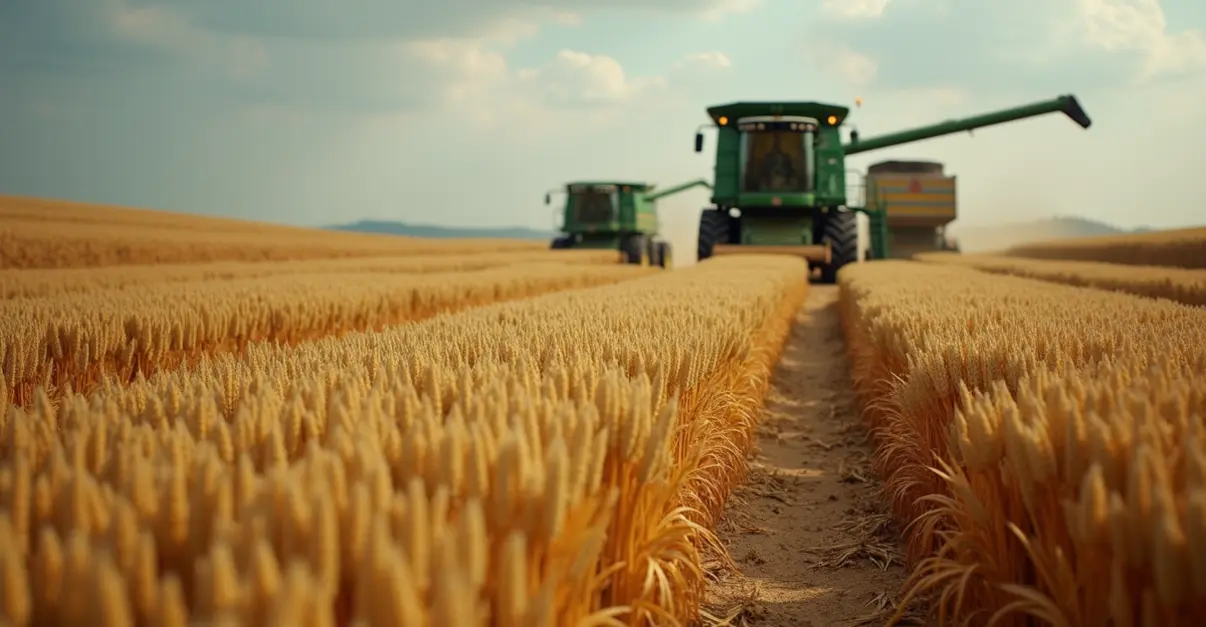
In a significant gathering of agricultural policymakers from around the world, grain supply ministers recently convened to address pressing global food security challenges. The meeting, which brought together representatives from major grain-producing and consuming nations, focused on stabilizing international grain markets, ensuring sustainable agricultural practices, and addressing the needs of vulnerable communities worldwide.
China's Domestic Focus on Grain Security
While international discussions progressed, China simultaneously held its own critical agricultural policy meetings. The country's Central Rural Work Conference, held from December 29-30, 2025, established key priorities focused on grain security and farmer incomes. 'We must maintain a no-relaxation approach to grain output and enhance our production capacity through better land, seeds, machinery, and farming techniques,' emphasized Chinese President Xi Jinping during the conference.
China's grain output reached a record 714.9 million tons in 2025, representing a 1.2% increase from 2024. The government has pledged to stabilize grain and edible oil production while improving grain varieties and quality. This domestic focus comes amid ongoing trade tensions with major agricultural partners like the United States, which have sharpened China's food security push.
Global Context and Historical Precedents
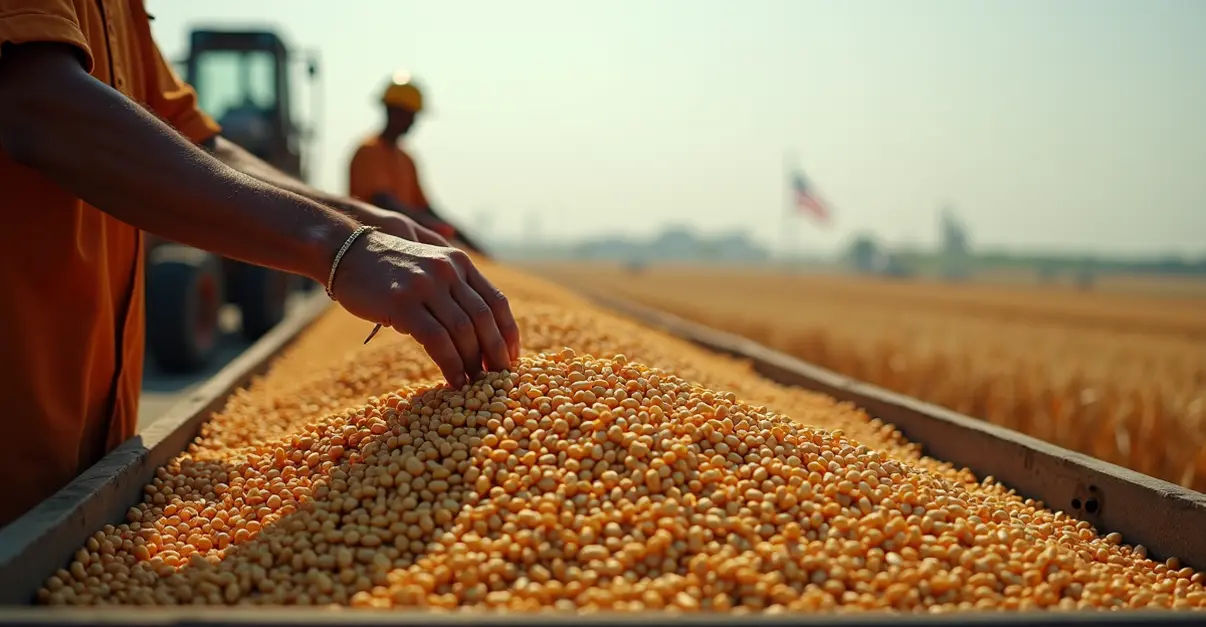
The international grain ministers' meeting occurs against the backdrop of the Black Sea Grain Initiative, which operated from July 2022 to July 2023 before Russia withdrew from the agreement. That initiative successfully facilitated the export of nearly 33 million tonnes of grain and other food products from Ukrainian ports to 45 countries, demonstrating how international cooperation can address global food crises.
According to the FAO Director-General Dr. QU Dongyu, current global agrifood systems face overlapping crises that threaten food security worldwide. 'We are seeing concerning trends from the SOFI Report showing regression in hunger reduction,' he noted during the G20 Agriculture Ministers' Meeting in Cape Town.
Policy Implications and Market Impacts
The grain ministers' discussions have significant implications for global agricultural markets and policy frameworks. Key areas of focus include scaling up innovation and digitalization to revolutionize productivity while reducing environmental impact, increasing sustainable investment by redirecting financial flows, and improving data transparency and market functioning.
China's approach involves launching province-wide pilot programs to extend rural land-use contracts for another 30 years after current contracts expire around 2027. This policy aims to provide stability for farmers while promoting long-term agricultural investment. 'The government is committed to increasing farmers' incomes and promoting stable employment for migrant workers,' stated a spokesperson from China's agricultural ministry.
Community-Level Impacts and Future Outlook
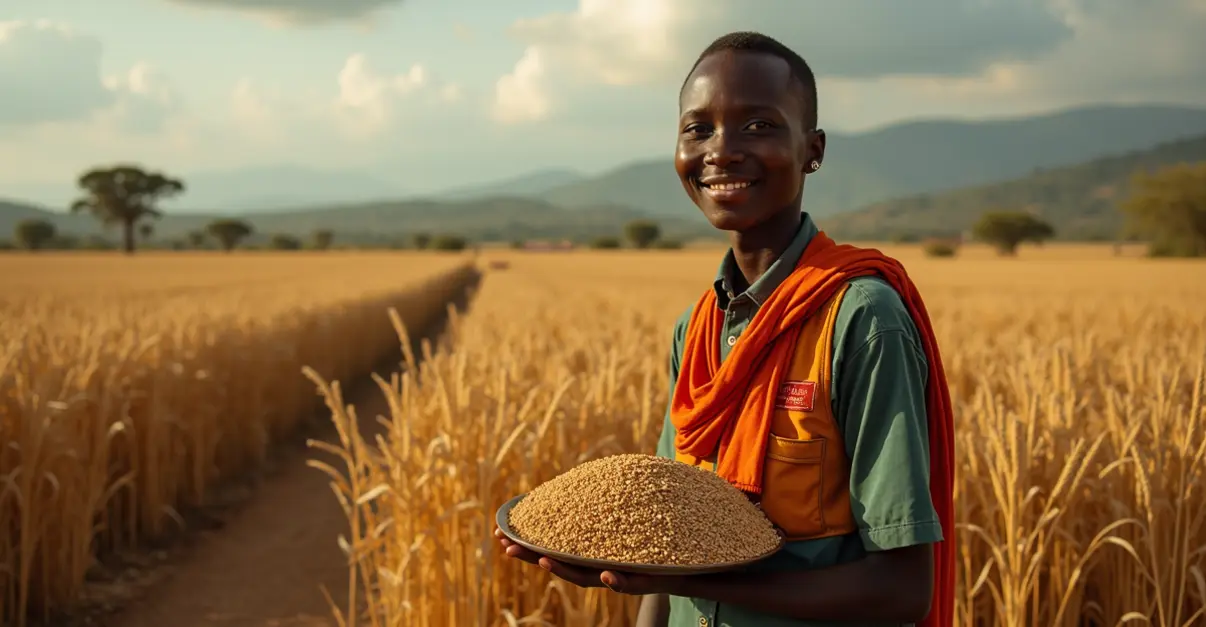
For communities worldwide, particularly in developing nations, the outcomes of these ministerial meetings could mean the difference between food security and scarcity. The G20 Agriculture Ministers meetings, which include upcoming gatherings in South Africa (2025), have historically produced important declarations and action plans addressing food price volatility and sustainable agriculture.
The international community faces the dual challenge of increasing agricultural production to feed a growing global population while simultaneously reducing the environmental impact of farming practices. Integrated policy approaches that connect agriculture with health, social protection, and environmental policies are becoming increasingly important.
As global climate patterns continue to shift and geopolitical tensions affect international trade, the coordination between grain supply ministers becomes ever more critical. The success of initiatives like the Black Sea Grain Initiative demonstrates that international cooperation can yield tangible results, while China's domestic focus on agricultural self-sufficiency reflects a broader trend toward food security prioritization in national policies.
The coming years will test whether these ministerial discussions translate into concrete actions that stabilize global grain markets, support farming communities, and ensure food security for vulnerable populations worldwide.