Deutsch
 English
 Español
 Français
 Nederlands
 Português







Innovative Refugee Integration Program Shows Promising Results
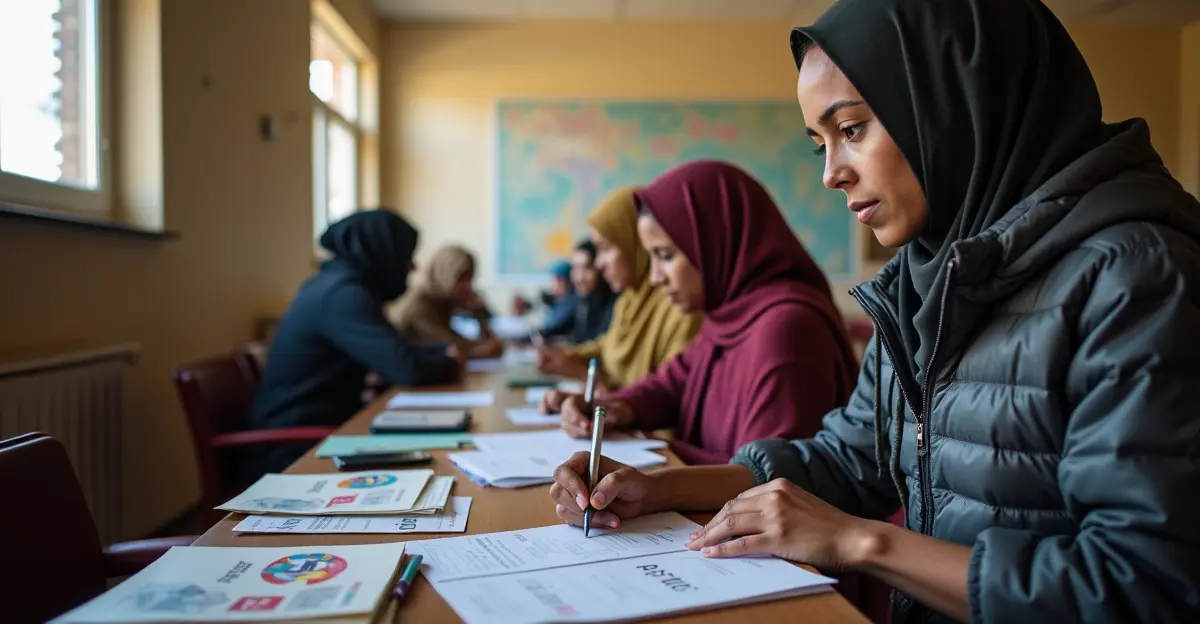
A groundbreaking refugee integration pilot program is demonstrating how strategic employer partnerships and innovative housing models can transform resettlement outcomes for displaced populations. The initiative, which combines job placement with comprehensive training and stable housing, represents what experts are calling a 'best practice' model for scaling refugee integration efforts globally.
Building Bridges Between Employers and Refugees
The program's core innovation lies in its direct connection between skilled refugees and employers facing labor shortages. 'We're seeing remarkable success stories where refugees with professional backgrounds in healthcare, engineering, and IT are filling critical gaps in our workforce,' says program coordinator Maria Rodriguez. 'These aren't just entry-level positions - we're matching people with their actual qualifications and experience.'
According to a UNHCR evaluation report from September 2025, employment-based integration programs show significantly higher success rates than traditional resettlement approaches. The report highlights that refugees who secure employment within their first six months of arrival are three times more likely to achieve long-term economic stability.
Housing Models That Foster Community Integration
The program's housing component represents another innovative approach. Rather than placing refugees in isolated temporary accommodations, the initiative uses mixed housing models that integrate refugee families with local communities. 'We've learned that housing isn't just about shelter - it's about creating environments where people can build social connections and feel like they belong,' explains housing specialist David Chen.
A March 2025 report from Refugee Housing Solutions details how these innovative housing partnerships are creating sustainable living situations. The models include shared housing with local families, community-based apartment complexes with integrated support services, and transitional housing that gradually moves refugees toward independent living.
International Examples of Success
Similar programs are showing success internationally. Canada's Economic Mobility Pathways Pilot (EMPP) has been extended until December 2025, with an annual intake cap of 950 applications for the job offer stream. Since 2019, 970 people have been admitted through this program, with over 30% working in healthcare and others in construction and food service.
In the United States, the Department of State launched the Welcome Corps at Work program in April 2024, connecting U.S. employers with skilled refugees for jobs in critical industries like healthcare, education, and information technology. Refugees arrive with legal status and a direct path to citizenship, receiving support from private sponsors in local communities.
Training and Skill Development Components
The training aspect of the program addresses both hard and soft skills. 'Many refugees arrive with excellent technical qualifications but need support navigating local workplace culture and language nuances,' notes training director Sarah Johnson. 'Our program provides cultural orientation, language support specific to professional contexts, and mentorship from established professionals in their fields.'
Training modules include industry-specific certification programs, digital literacy courses, and entrepreneurship workshops for those interested in starting their own businesses. The program has developed partnerships with local community colleges and vocational schools to provide accredited training that leads to recognized qualifications.
Economic Benefits and Community Impact
The economic impact extends beyond individual refugees. A comprehensive literature review on U.S. resettlement and integration found that refugees contribute nearly $124 billion to the U.S. economy from 2005-2019. 'When we invest in proper integration, we're not just helping refugees - we're strengthening our local economies and addressing labor shortages,' says economist Dr. James Wilson.
Local businesses participating in the program report high satisfaction rates, with many employers noting that refugee employees bring unique perspectives, strong work ethics, and valuable international experience to their organizations.
Challenges and Future Scaling
Despite the successes, challenges remain. Program administrators cite bureaucratic hurdles, funding inconsistencies, and occasional community resistance as ongoing obstacles. However, the program's structured approach to documenting outcomes and sharing best practices is helping other regions adapt the model.
'What makes this pilot so promising is its replicability,' says international development expert Amina Hassan. 'We're creating a playbook that other cities and countries can adapt to their specific contexts while maintaining the core principles of employer partnership and integrated housing.'
The program is currently developing digital tools to streamline employer matching and housing placement processes, with plans to expand to three additional regions by the end of 2026. As global displacement continues to affect millions, such innovative integration approaches offer hope for more sustainable and dignified resettlement solutions.