Nederlands
 English
 Deutsch
 Français
 Español
 Português





Global Trade Ministers Unite to Secure Critical Grain Supply Chains
In a landmark meeting on Jeju Island, South Korea, trade ministers from 21 APEC economies have established groundbreaking protocols to secure global grain supply chains against future disruptions. The 2025 APEC Ministers Responsible for Trade Meeting, chaired by Korea's Minister for Trade Inkyo Cheong, focused specifically on developing storage mechanisms, release protocols, and emergency coordination frameworks for essential food commodities.
Building Resilience Through Strategic Storage
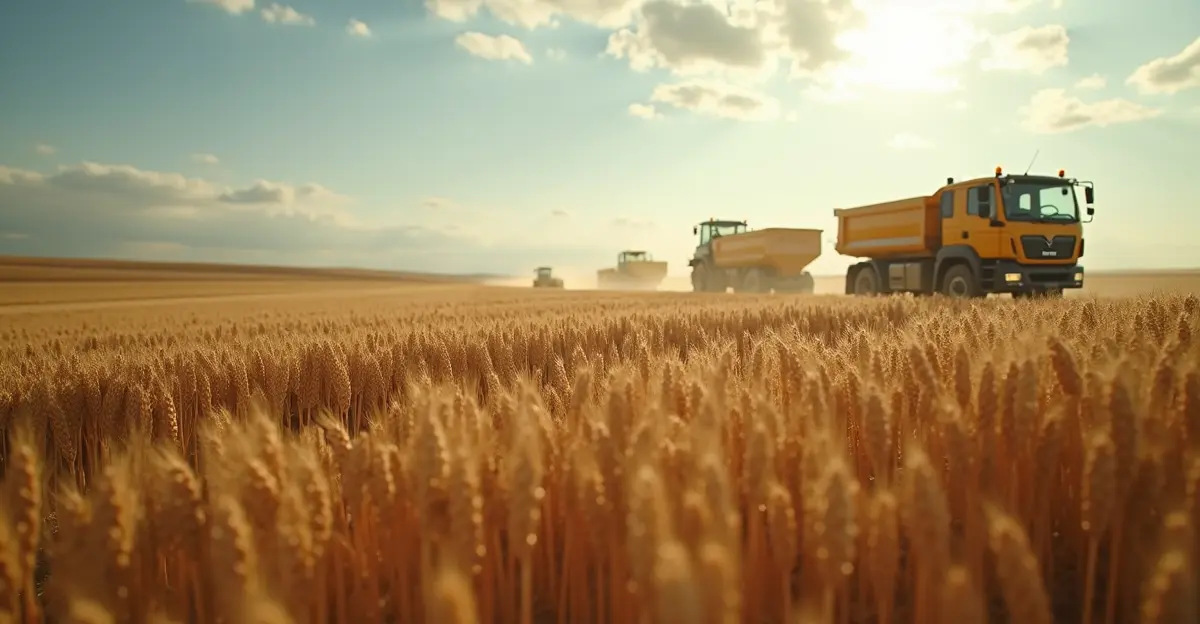
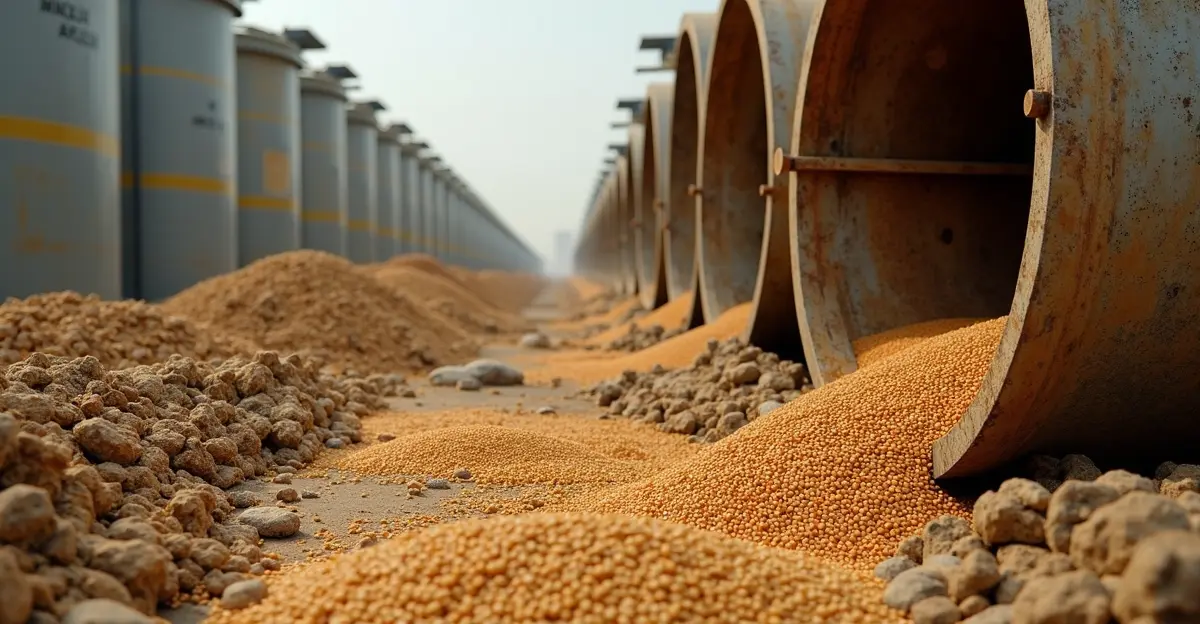
The ministers agreed to establish a regional grain reserve system with standardized storage facilities across member economies. This system will maintain strategic reserves of wheat, rice, corn, and other staple grains, with storage capacity designed to withstand various climate conditions and geopolitical uncertainties. 'We cannot afford to have our food security compromised by supply chain failures,' stated Minister Cheong during the closing press conference. 'These storage mechanisms represent our commitment to ensuring that no population goes hungry due to logistical breakdowns.'
Emergency Release Protocols for Crisis Situations
A key outcome of the meeting was the development of clear release protocols that determine when and how strategic grain reserves should be deployed during emergencies. The protocols establish triggers based on price volatility indicators, production shortfalls, and geopolitical events that threaten supply chains. According to documents from the meeting, the system will operate with transparent governance mechanisms to prevent market manipulation while ensuring timely distribution during crises.
Coordinated Emergency Response Framework
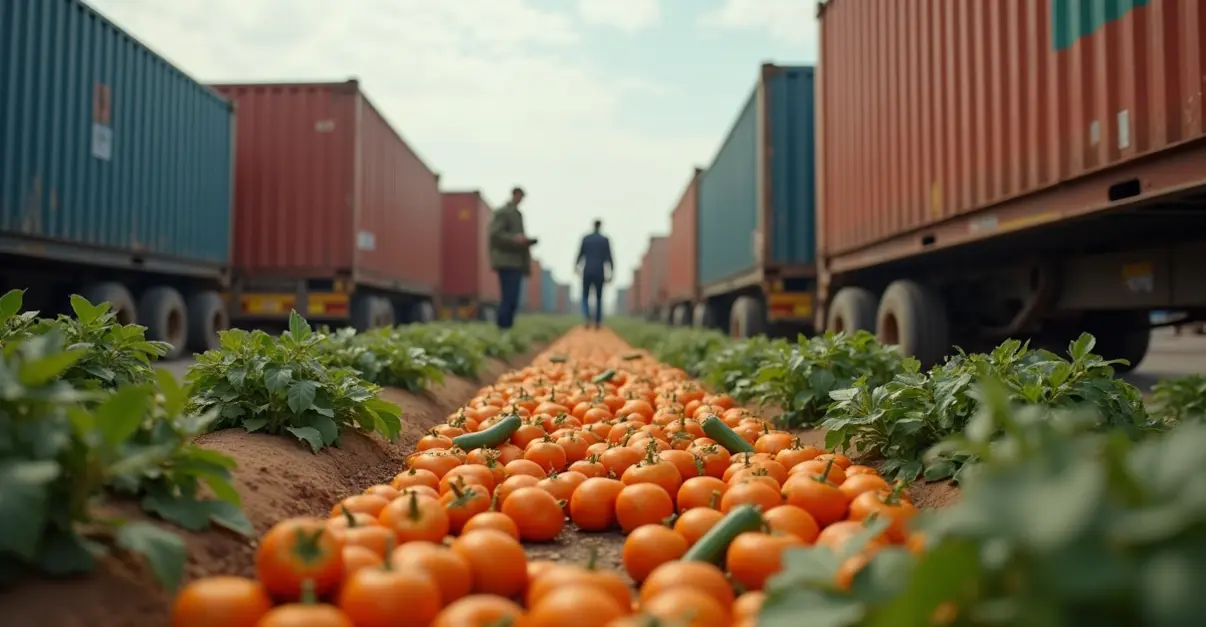
The ministers established a real-time coordination center that will monitor global grain markets, track shipping routes, and facilitate rapid response during supply chain disruptions. This framework includes information-sharing agreements, joint logistics planning, and harmonized customs procedures to expedite emergency shipments. 'When the next crisis hits—whether it's climate-related, geopolitical, or pandemic-driven—we will have systems in place to respond collectively rather than competitively,' explained a senior trade official who participated in the negotiations.
Integrating Technology and Innovation
The agreement incorporates advanced technologies including blockchain for supply chain transparency, AI-powered predictive analytics for demand forecasting, and IoT sensors for real-time monitoring of storage conditions. These technological solutions aim to prevent spoilage, optimize inventory management, and provide early warning of potential shortages. The ministers also committed to sharing best practices in grain preservation and storage techniques, recognizing that proper storage can extend grain viability for decades.
Historical Context and Future Implications
The initiative comes against a backdrop of increasing food insecurity globally, with climate change, conflict, and economic instability threatening traditional supply chains. Historically, as noted in food distribution systems dating back to ancient Rome, societies have collapsed when grain distribution failed. The APEC ministers' agreement represents a modern approach to this age-old challenge, combining international cooperation with technological innovation.
The protocols will be implemented gradually over the next two years, with regular review mechanisms built into the agreement. While initially focused on APEC economies, the ministers expressed hope that the framework would serve as a model for broader global adoption through organizations like the World Trade Organization. As global population continues to grow and climate pressures intensify, such coordinated approaches to food security may become increasingly essential for maintaining global stability and preventing humanitarian crises.