


 Deutsch
 English
 Español
 Français
 Nederlands
 Português


 Share
Share




Global Sanitation Crisis Takes Center Stage
On World Water Day 2025, the UN shines a spotlight on the stark inequalities in sanitation access affecting billions worldwide. With this year's theme "Bridging the Sanitation Gap," the campaign highlights that over 3.4 billion people still lack safely managed sanitation services according to the latest WHO/UNICEF Joint Monitoring Programme report.
The Human Cost of Inadequate Sanitation
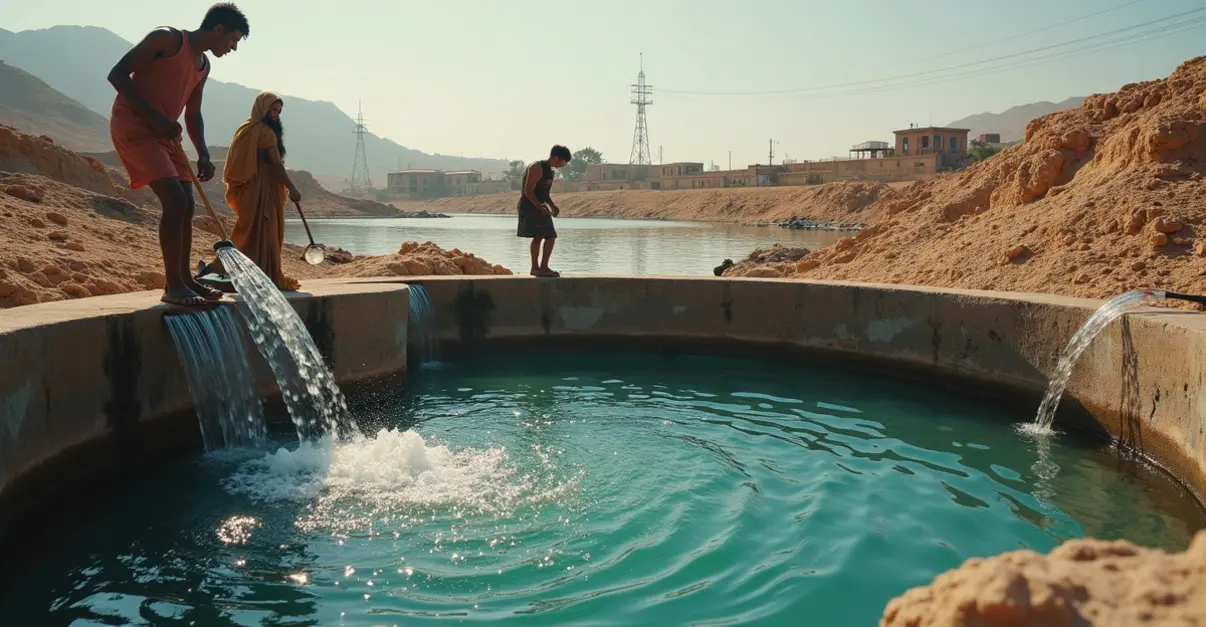
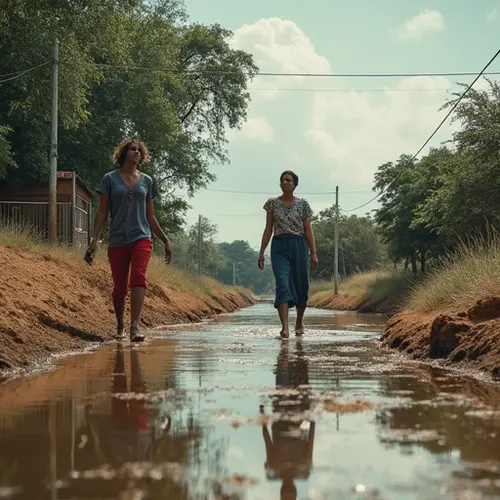
In rural communities across Sub-Saharan Africa and South Asia, women and girls bear the heaviest burden. Many spend hours daily collecting water instead of attending school. Menstrual hygiene management remains particularly challenging, with 31% of girls in some regions missing school during their periods due to inadequate facilities.
"When girls can't manage their periods with dignity, we're failing half our potential," says UN-Water Director. Recent studies show communities with improved sanitation experience 45% fewer diarrheal diseases and 20% higher school attendance rates among girls.
Funding Shortfalls and Solutions
The campaign reveals a critical funding gap: current investments fall $114 billion short annually of what's needed to achieve SDG 6 targets by 2030. Innovative financing models are emerging:
- Green bonds for water infrastructure projects
- Public-private partnerships in urban sanitation
- Microfinance programs for household toilets
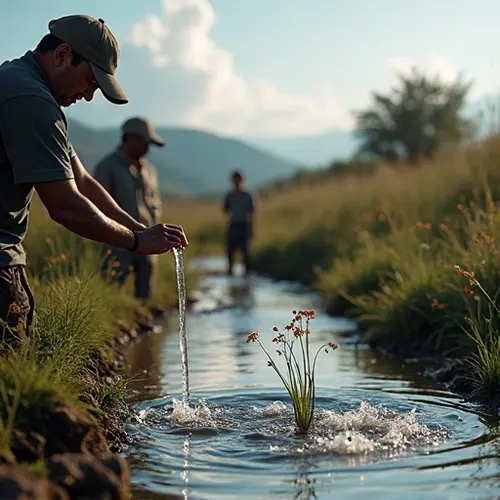
In Bangladesh, community-led sanitation programs have increased coverage from 33% to 85% in a decade. Similar initiatives are expanding in Kenya and India through the SDG 6 Global Acceleration Framework.
Climate Change Complicates Progress
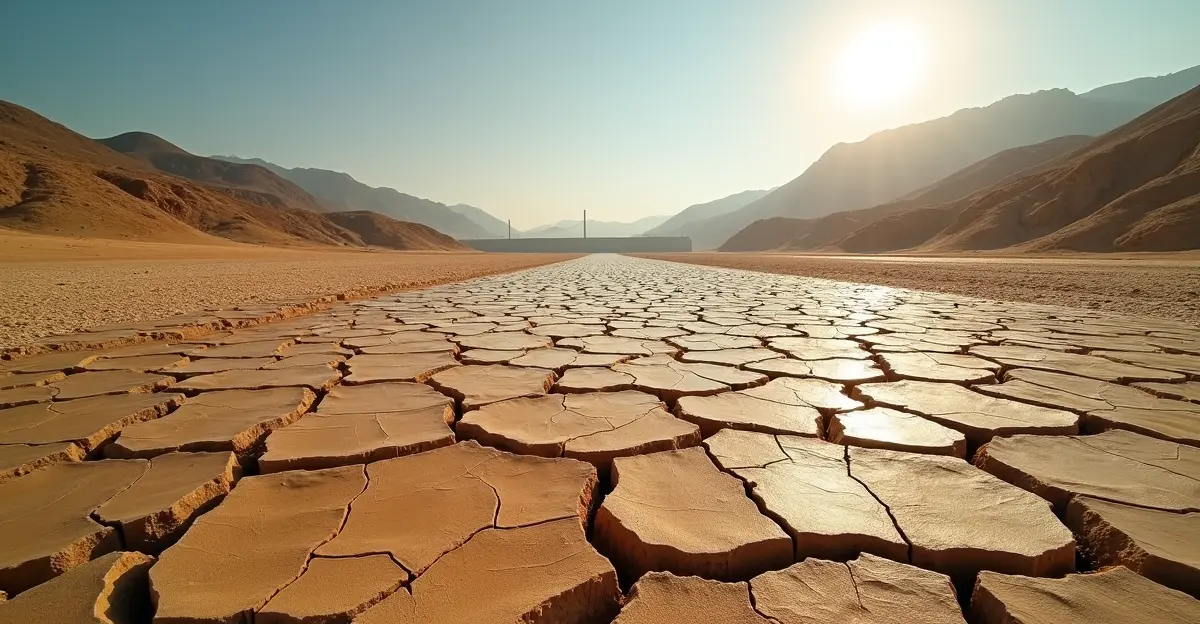
Rising sea levels contaminate coastal groundwater while droughts strain existing systems. The UN World Water Development Report 2025 notes that 40% of the global population already faces water scarcity, a figure projected to rise. Integrated water resource management has become essential, combining traditional knowledge with modern technology.
Call to Action
Governments are urged to increase WASH budgets to at least 1% of GDP. Individuals can participate through the #PeriodFriendlyWorld campaign advocating for menstrual hygiene facilities in schools. World Water Day events include virtual conferences, policy hackathons, and community clean-up initiatives worldwide.

Follow Discussion