


 Deutsch
 English
 Español
 Français
 Nederlands
 Português


 Share
Share




Breakthroughs in Biofabrication
The field of 3D-printed organs has seen remarkable advancements in recent years, with researchers making strides toward creating functional human tissues and organs. A recent breakthrough by Northeastern University professor Guohao Dai and his team has introduced an elastic hydrogel material designed for 3D printing soft living tissues. This innovation could pave the way for printing blood vessels and other organs, potentially revolutionizing regenerative medicine.
The Challenge of Soft Tissue Printing
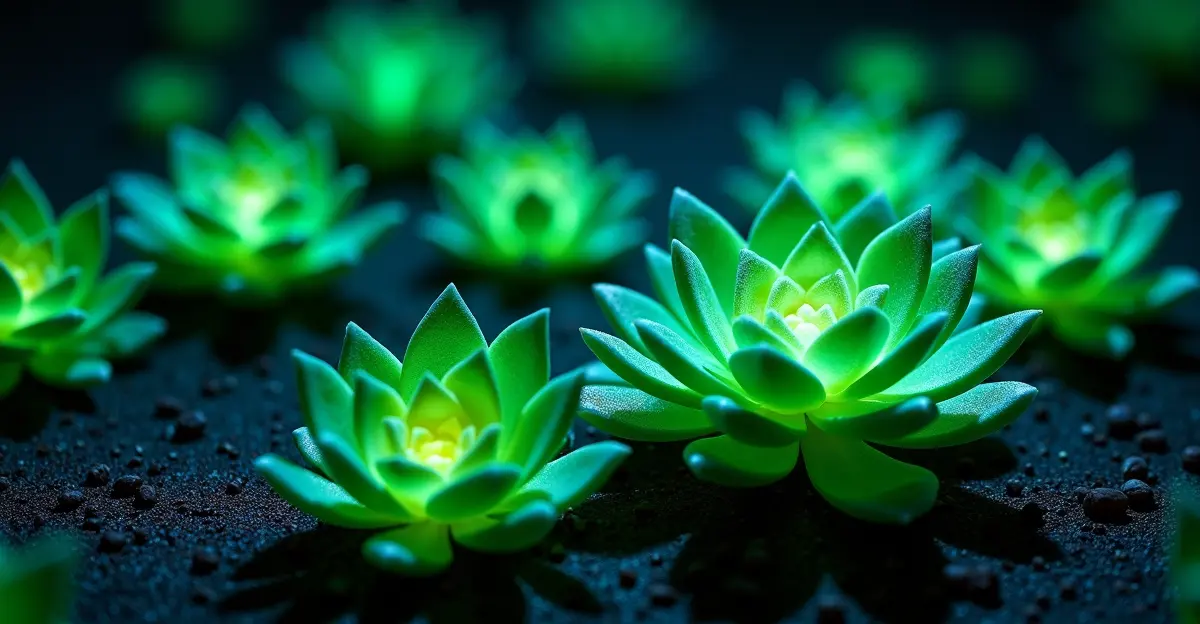
Traditional 3D printing materials, such as plastics and resins, are unsuitable for soft tissues due to their rigidity. The new hydrogel, however, mimics the elasticity and water content of human tissues, making it ideal for biofabrication. The material dissolves in a liquid solution, encapsulates water, and can be infused with living cells before printing. Once printed, the structure is exposed to blue light, triggering a reaction that solidifies the gel without harming the cells.
Potential Applications
This technology could eliminate the need for organ transplants by enabling the creation of patient-specific organs. For example, blood vessels printed with this hydrogel could degrade over time, allowing the body to replace them with natural tissue. While current prototypes are not yet strong enough to withstand human blood pressure, extended culturing periods could solve this issue.
Challenges to Mass Adoption
Despite its promise, the technology faces hurdles such as high costs, lengthy culturing times, and regulatory approvals. Researchers are also working to speed up the degradation of the hydrogel to match the growth rate of natural tissues.




Follow Discussion