
 Deutsch
 English
 Español
 Français
 Nederlands
 Português







Innovative Desalination Pilot Projects Promise Affordable Water Solutions
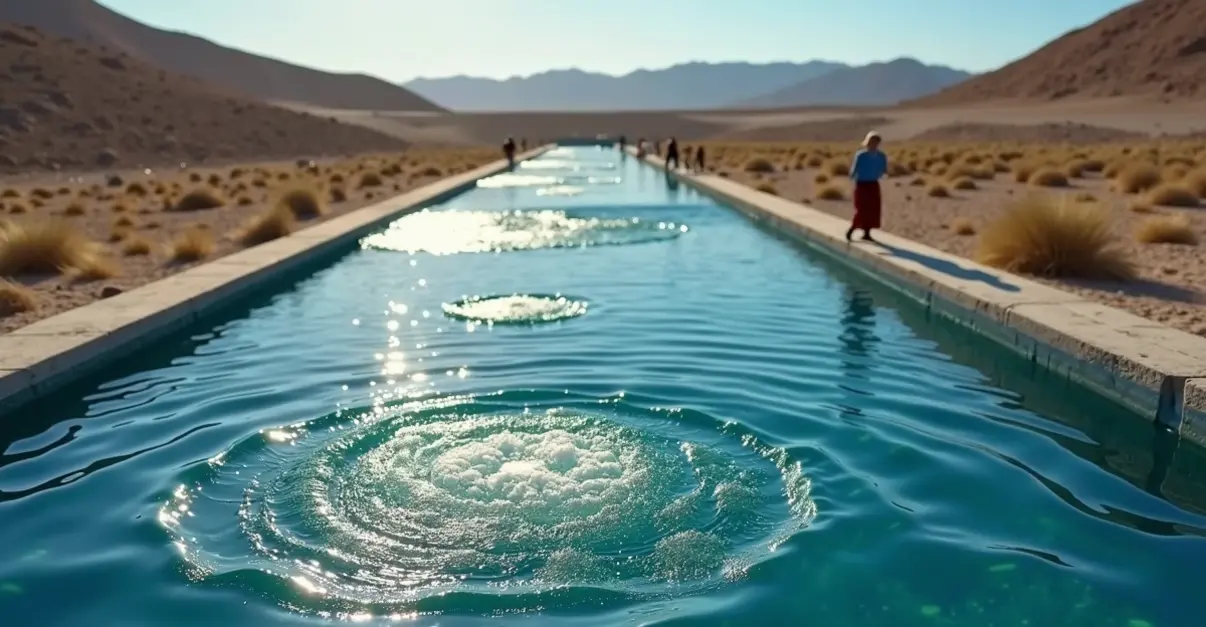
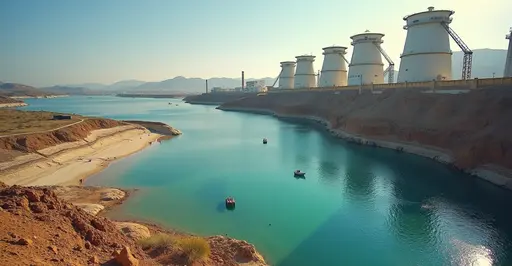
In a significant development for water-scarce regions worldwide, multiple low-cost desalination pilot projects have recently launched, offering new hope for communities struggling with freshwater shortages. These initiatives combine cutting-edge technology with sustainable energy sources to make desalination more accessible and affordable than ever before.
Breakthrough Technologies in Action
One of the most promising developments comes from a partnership between Bechtel and Five Point Energy, which has announced sustained pilot operations of their Low Energy Ejector Desalination System (LEEDS). This innovative technology converts produced water from oil and gas fields into reusable clean water, currently treating 400 barrels per day in the Permian Basin near Midland, Texas. 'LEEDS transforms a costly byproduct into a valuable resource, addressing water scarcity while providing economic benefits,' explained a company spokesperson. The system recovers more than 50% of treated produced water for agriculture, industrial uses, and community applications.
Meanwhile, researchers at MIT have developed a solar-powered desalination system that operates without batteries or supplemental grid power. Their electrodialysis technology uses flow-commanded current control to automatically adjust its desalting process in sync with sunlight variations. Tested over six months in New Mexico, the community-scale prototype harnessed over 94% of solar panel energy to produce up to 5,000 liters of water daily despite weather fluctuations.
The Global Water Scarcity Challenge
These innovations arrive at a critical time. According to the World Resources Institute, 16 of the world's 25 most water-stressed countries are located in the Middle East and North Africa region. Countries like Iran face severe water scarcity, with experts warning of potential drinking water shortages. Globally, approximately 1.6 billion people in rural regions lack reliable access to clean water.
Traditional desalination methods like reverse osmosis have been effective but energy-intensive and costly. The new generation of technologies aims to overcome these limitations through innovative approaches that reduce both energy consumption and operational expenses.
Policy and Market Implications
The launch of these pilot projects has significant implications for water policy and markets. Governments worldwide are increasingly recognizing desalination as a crucial component of water security strategies. The U.S. Bureau of Reclamation's Desalination and Water Purification Research Program (DWPR) recently awarded $1.9 million to eight research projects and $2.2 million to eight Pitch to Pilot projects, demonstrating growing public investment in this sector.
'These low-cost solutions could revolutionize water management in arid regions,' noted Dr. Sarah Chen, a water policy expert at the Atlantic Council. 'By integrating desalination with renewable energy sources, we're creating sustainable water systems that don't exacerbate climate change.'
The market implications are equally significant. As desalination becomes more affordable, it could open new opportunities for water trading, agricultural expansion in arid regions, and industrial development in water-scarce areas. The technology could also help address environmental concerns about brine disposal from traditional desalination plants.
Community Impact and Future Prospects
For communities facing water shortages, these developments offer tangible hope. The LEEDS system in Texas could eventually recover enough clean water to meet the daily needs of the City of Midland, reducing reliance on freshwater sources. Similarly, MIT's solar-powered system is designed specifically for inland communities where seawater desalination and grid power are inaccessible.
Researchers at Northwestern University have analyzed zero liquid discharge (ZLD) technologies, finding they can increase water recovery from desalination brine but come with tradeoffs in energy consumption and costs. Their study emphasizes that desalination should be part of a broader water management strategy including water recycling, rainwater harvesting, and conservation measures.
Looking ahead, the success of these pilot projects could pave the way for widespread adoption of low-cost desalination technologies. As climate change intensifies water scarcity in many regions, affordable desalination solutions will become increasingly vital for ensuring water security for communities worldwide.




Follow Discussion