


 Deutsch
 English
 Español
 Français
 Nederlands
 Português


 Share
Share




The Future of Farming Takes Root
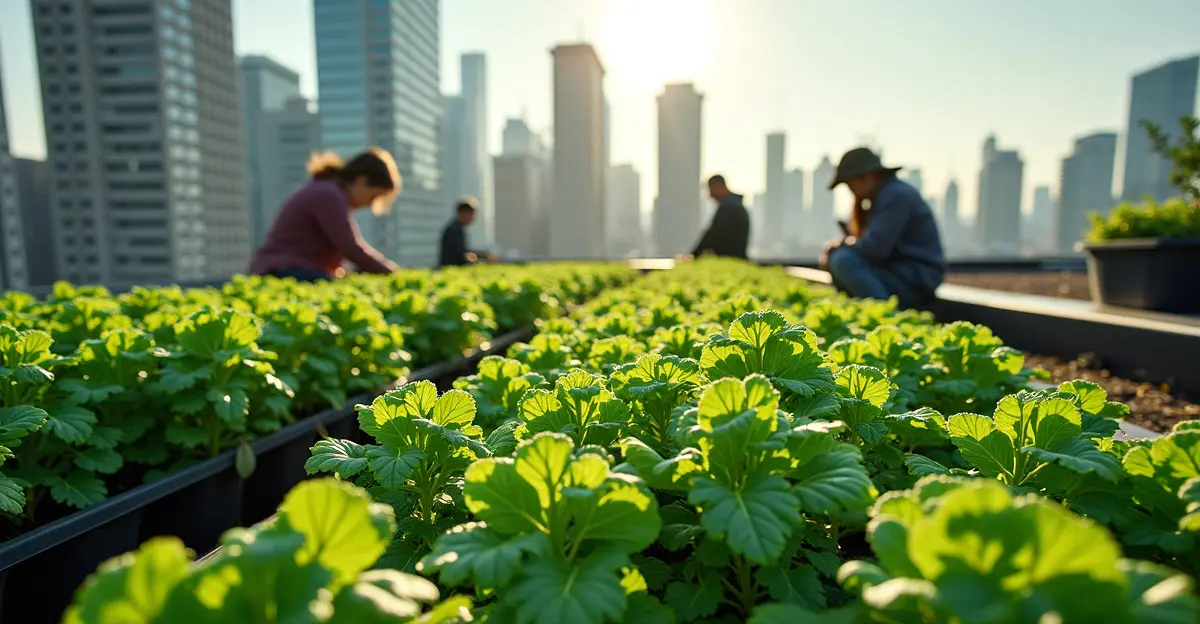
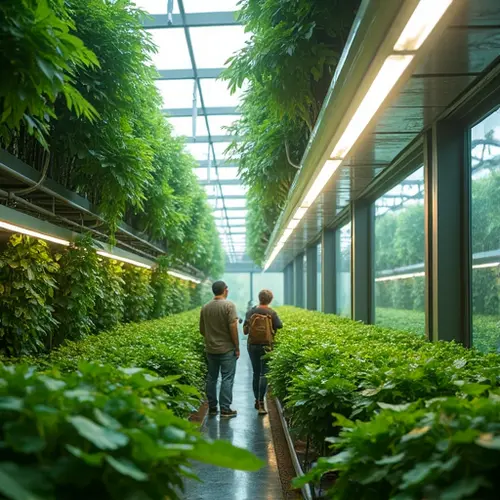
Pennsylvania has become ground zero for America's urban agriculture revolution. On July 14, 2025, state officials launched their Urban Agriculture Tour at Pittsburgh's Bidwell Training Center, where a $10 million Agricultural Innovation Grant is transforming food production. This isn't just gardening - it's high-tech farming using controlled-environment agriculture (CEA) that could solve our future food challenges.
How Tech is Changing Farming
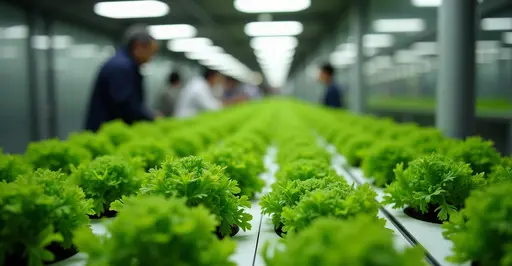
These advanced greenhouses control every aspect of plant growth: temperature, light, humidity, and nutrients. Unlike traditional farming, they use hydroponic systems where plants grow in nutrient-rich water instead of soil. Artificial intelligence monitors plant health, while specialized LED lighting mimics perfect growing conditions year-round. The result? Higher yields with 95% less water than conventional farms.
Pennsylvania's Urban Farming Revolution
At Bidwell Training Center, students learn horticulture skills while growing food for local communities. "These upgrades grow fresh food to directly feed communities experiencing food insecurity," says Dr. Ryan Gott, Senior Director at Bidwell. The greenhouse expansion trains future agricultural technicians while supplying fresh produce to neighborhoods where grocery stores are scarce.
Governor Shapiro's administration has invested over $3.2 million in urban farming projects across Pennsylvania since 2019. This initiative is part of a broader strategy to address food deserts - urban areas where fresh food is hard to find. The state's 2025-26 budget proposes an additional $13 million for agricultural innovation grants.
Global Impact and Challenges
Rabobank's 2025 Global Greenhouse Report confirms this isn't just a Pennsylvania trend. Worldwide, high-tech greenhouse space has grown 15% annually since 2022. But challenges remain:
- High startup costs ($2-4 million per acre)
- Energy demands for lighting and climate control
- Need for specialized technical skills
Despite these hurdles, urban farming could supply 15% of city dwellers' fresh produce by 2030 according to agricultural economists.
Why This Matters
With climate change disrupting traditional farming and global population rising, controlled-environment agriculture offers solutions:
- Year-round production unaffected by weather
- 90% reduction in transportation emissions
- No pesticides or herbicides needed
- 10-20 times higher yield per square foot
As Agriculture Secretary Russell Redding noted: "Feeding opportunities for growth in urban neighborhoods feeds all our futures." These high-tech greenhouses might just be the key to food security in an uncertain world.

Follow Discussion