
 Deutsch
 English
 Español
 Français
 Nederlands
 Português






What is the Dannebroge Warship Discovery?
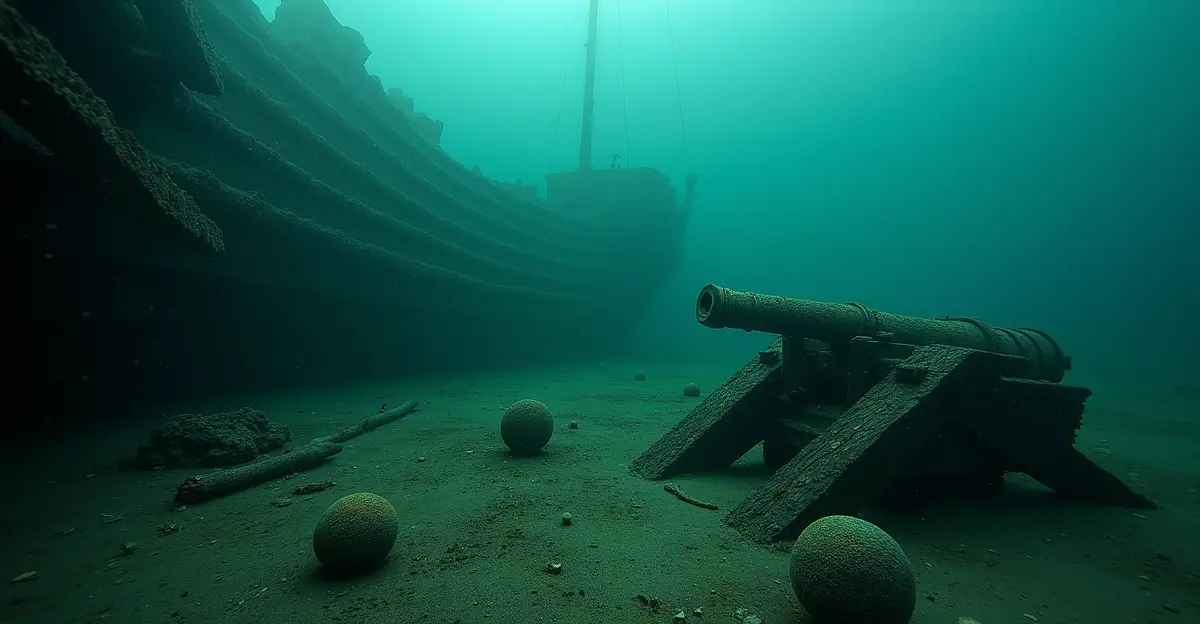
Archaeologists have made a groundbreaking historical discovery in Copenhagen Harbor: the wreck of the Danish warship Dannebroge, sunk exactly 225 years ago during the Battle of Copenhagen in 1801. This remarkable find represents one of the most significant maritime archaeological discoveries in recent European history, offering new physical evidence from a pivotal naval engagement that shaped Denmark's national identity and European power dynamics during the Napoleonic Wars.
Historical Context: The Battle of Copenhagen Explained
The Battle of Copenhagen, fought on April 2, 1801, was a crucial naval confrontation between the British Royal Navy under Admiral Horatio Nelson and the Danish-Norwegian fleet. The British sought to prevent Denmark from joining Napoleon's Continental System, which would have threatened British naval supremacy and trade routes. The Dannebroge, a 48-meter flagship commissioned in 1774, served as the central command vessel for Danish commander Olfert Fischer during the four-hour battle. The ship was specifically targeted by Nelson's forces and ultimately exploded after being hit by incendiary shells, killing 56 crew members with 19 listed as missing. This discovery comes at a time when similar underwater archaeological projects are revealing new insights into naval history across Europe.
Archaeological Significance and Findings
The discovery was made during preliminary surveys for the controversial Lynetteholm artificial island project in Copenhagen Harbor. Marine archaeologists from Denmark's Viking Ship Museum identified the wreck at a depth of 15 meters (49 feet) through multiple verification methods:
- Timber dimensions matching original 18th-century ship drawings
- Dendrochronological (tree-ring) dating confirming construction around 1772
- Artifacts including two cannons, cannonballs, and bar shot consistent with the period
- Personal items such as shoes, uniform fragments, clay pipes, and military insignia
Most significantly, archaeologists discovered human remains including a jawbone and possible rib bones, potentially belonging to some of the 19 missing crew members. These findings provide the first physical evidence from this historically documented battle, offering a tangible connection to the individuals who experienced this traumatic event.
Technical Specifications and Battle Role
The Dannebroge was a formidable warship for its time, though outmatched by British naval power. Key specifications include:
| Specification | Dannebroge | British Opponents |
|---|---|---|
| Length | 48 meters (157 feet) | Varied, typically 50-60m |
| Cannons | Approximately 70-80 | Nelson's fleet: 1270 total |
| Crew | 357 sailors and officers | Significantly larger forces |
| Construction | 1774, Copenhagen | Various British shipyards |
During the battle, the Dannebroge anchored at the center of the Danish defensive line, coordinating approximately 6,000 men against Nelson's superior forces. The ship's explosion marked a turning point in the engagement, which ultimately resulted in Danish defeat but demonstrated remarkable resilience against overwhelming odds. The discovery provides new insights into naval architecture and warfare tactics of the period, similar to what researchers have learned from Napoleonic-era shipwrecks in the Mediterranean.
Personal Artifacts and Human Stories
Beyond the ship itself, archaeologists have recovered numerous personal items that humanize this historical event. These include:
- Leather shoes and clothing fragments
- Clay smoking pipes
- Uniform buttons and military insignia
- Glass bottles and ceramic fragments
- Weapons and ammunition
Maritime archaeologist Otto Uldum explained the significance: 'The excavation of the Dannebroge goes beyond archaeology—it's about an event that shaped Danish history and self-perception. Through these physical remains, we come closer to the people who were on board.' The human jawbone discovery is particularly poignant, potentially allowing forensic analysis to learn more about the individual's age, health, and possibly even identity.
Impact on Historical Understanding and Danish Identity
This discovery fundamentally changes how historians understand the Battle of Copenhagen. While the battle has been extensively documented in written records and paintings, the physical evidence provides new dimensions:
- Verification of historical accounts through material evidence
- Insights into daily life aboard 19th-century warships
- Understanding of naval construction techniques and materials
- Human dimension to a previously abstract historical event
The Viking Ship Museum emphasizes that this discovery 'provides the physical and tangible evidence we can hold in our hands, bringing us closer to the people on board.' This aligns with broader trends in maritime heritage preservation that prioritize both archaeological integrity and human connection to historical events.
Preservation Challenges and Future Research
Archaeologists face significant challenges as the wreck site lies within an active harbor development zone. The Lynetteholm project, scheduled for completion around 2070, threatens the preservation of this historical site. Researchers are racing against time to:
- Document and recover vulnerable artifacts
- Conduct detailed mapping of the wreck site
- Analyze recovered materials in laboratory settings
- Develop preservation strategies for remaining structures
Future research will focus on detailed analysis of recovered materials, potential DNA testing of human remains, and comparative studies with other Napoleonic-era shipwrecks. The findings will contribute to ongoing debates about naval warfare, ship construction, and the human experience of historical conflict.
Frequently Asked Questions
What is the Dannebroge and why is it significant?
The Dannebroge was the Danish flagship sunk during the Battle of Copenhagen in 1801. Its discovery provides the first physical evidence from this historically important naval engagement.
How was the wreck identified after 225 years?
Archaeologists used multiple verification methods including timber measurements matching original drawings, dendrochronological dating, and artifact analysis to confirm the ship's identity.
What human remains were found at the site?
Researchers discovered a human jawbone and possible rib bones, potentially belonging to some of the 19 crew members listed as missing after the battle.
Why was the Battle of Copenhagen important historically?
The battle prevented Denmark from joining Napoleon's Continental System, maintaining British naval supremacy and shaping European power dynamics during the Napoleonic Wars.
What happens to the wreck site now?
Archaeologists are racing to document and recover artifacts before the area is impacted by the Lynetteholm artificial island development project.
Sources
Viking Ship Museum Press Release
CNN Coverage
Associated Press Report
Wikipedia: Battle of Copenhagen




Follow Discussion