


 Deutsch
 English
 Español
 Français
 Nederlands
 Português


 Share
Share




The Quest to Defy Mortality
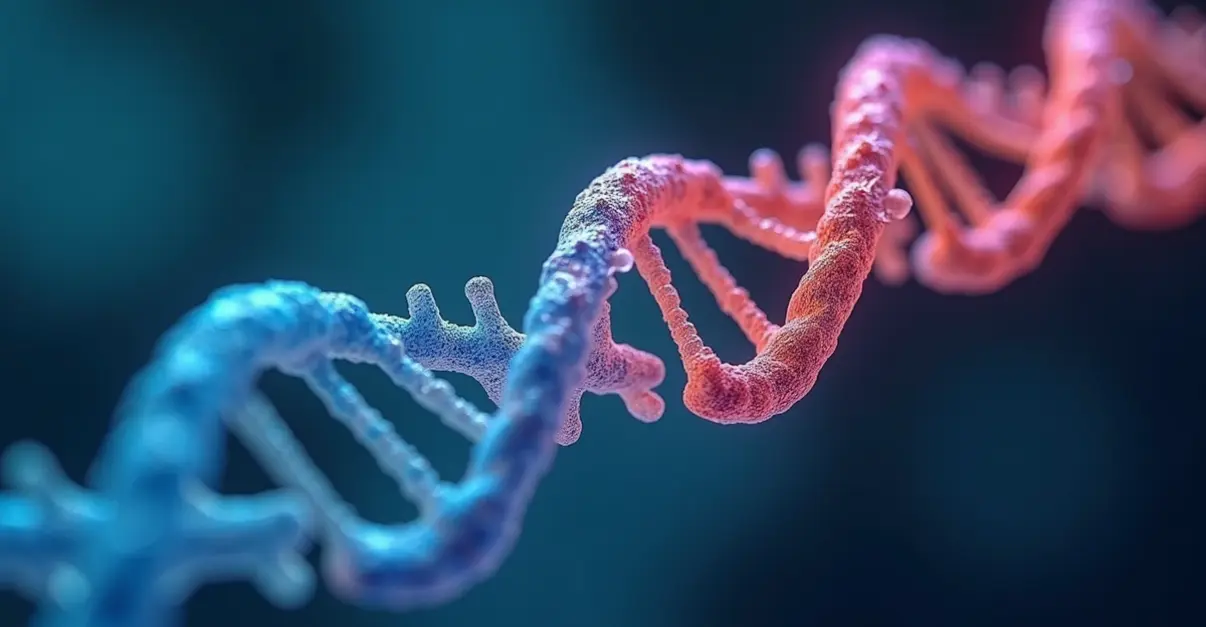
Scientists are edging closer to what was once science fiction: genetic solutions to aging. Recent breakthroughs in cellular reprogramming have ignited both excitement and ethical debates. Washington Post reports human trials may begin soon for techniques that reset biological clocks by modifying gene expression.
How Cellular Reprogramming Works
This approach manipulates Yamanaka factors - proteins that can turn adult cells into pluripotent stem cells. Researchers at institutions like Harvard and the Salk Institute have successfully reversed aging markers in mice, restoring vision and muscle function. The technique essentially wipes epigenetic "damage" accumulated over time.
2025 Breakthroughs
This year saw two major advances:
- UCLA scientists discovered PP405, a molecule awakening dormant follicles which may extend to other tissues
- CRISPR-based "gene drive" systems showing promise in eliminating senescent cells
Startups like Altos Labs and Calico (backed by Bezos and Google) are pouring billions into longevity research. Dr. David Sinclair of Harvard claims: "We're not just extending life but healthspan - the period of disease-free living."
Controversial Implications
Critics raise urgent concerns:
- Inequality: Treatments could cost millions, creating immortal elites
- Overpopulation: UN projects 9.7B humans by 2050
- Medical Ethics: Should aging be classified as a disease?
Bioethicist Dr. Harriet Johnson warns: "We're playing God without understanding societal consequences. If only the wealthy access this, we risk permanent caste divisions." Religious groups also oppose "tampering with divine lifecycles."
Regulatory Challenges
The FDA currently approves anti-aging treatments only for specific diseases, not lifespan extension. Pelage Pharmaceuticals' upcoming human trials face intense scrutiny. Meanwhile, the $64B anti-aging industry markets unproven supplements, complicating legitimate research.
What's Next?
As genetic editing tools advance, society must confront fundamental questions: Is death necessary? Who decides longevity access? With first human trials expected by 2026, the immortality debate is no longer theoretical.



Follow Discussion