


 Deutsch
 English
 Español
 Français
 Nederlands
 Português


 Share
Share




Breakthrough in Alzheimer's Diagnosis
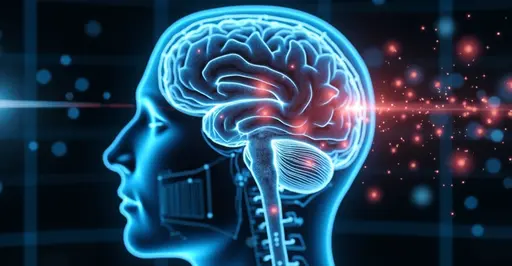
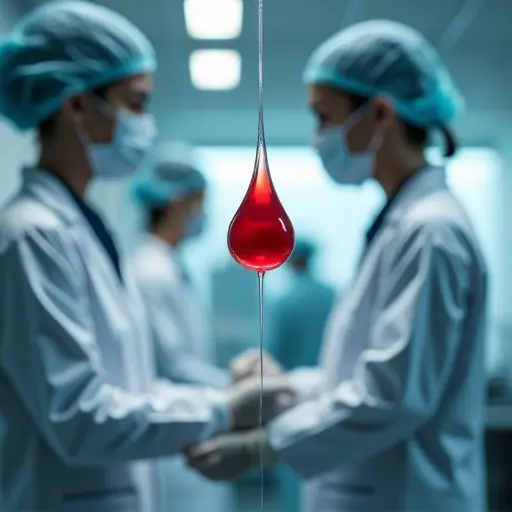
The FDA has cleared the first blood test to aid in diagnosing Alzheimer's disease, marking a revolutionary step in early detection. The Lumipulse G pTau217/ß-Amyloid 1-42 Plasma Ratio test detects amyloid plaques - a hallmark of Alzheimer's - through a simple blood draw instead of invasive spinal taps or expensive PET scans.
How the Biomarker Works
This novel approach measures two key proteins: phosphorylated tau 217 (pTau217) and beta-amyloid 1-42. Their ratio strongly correlates with amyloid plaque presence in the brain. Unlike previous biomarkers that struggled with accuracy in blood plasma, this combination achieves 91.7% sensitivity and 97.3% specificity according to clinical trials involving 499 cognitively impaired adults.
Transforming Patient Access
"This democratizes early diagnosis," says Dr. Maria Carrillo of the Alzheimer's Association. Previously, confirmation required PET scans (costing $5,000+) or lumbar punctures. Now, primary care physicians can order the $500 test during routine visits. Results come in 48 hours versus weeks for PET scheduling.
Clinical Impact
Early detection enables:
- Earlier intervention with new anti-amyloid drugs like Leqembi
- Accurate differentiation from other dementias
- Family planning for genetic risk carriers
The test received FDA's Breakthrough Device designation due to its potential to address the projected doubling of Alzheimer's cases by 2050. Fujirebio Diagnostics will launch it in specialized clinics this summer.
Cautious Optimism
While celebrating the advancement, neurologists emphasize:
- It's not a standalone diagnostic - clinical evaluation remains essential
- False positives could lead to unnecessary treatment
- Accessibility in rural areas needs improvement
Ongoing research explores presymptomatic screening applications. "This is the beginning of blood-based neurodegeneration tracking," states Dr. Randall Bateman, a leading Alzheimer's researcher at Washington University.



Follow Discussion