


 Deutsch
 English
 Español
 Français
 Nederlands
 Português


 Share
Share




Global Reevaluation of TikTok Amid National Security Concerns
The debate over banning TikTok has intensified globally as countries reassess the app's impact on national security and data privacy. With over 170 million monthly users in the U.S. alone, TikTok's influence is undeniable, but concerns about its Chinese parent company, ByteDance, have sparked legislative actions worldwide.
National Security and Data Privacy
The U.S. government's primary argument for the proposed TikTok ban revolves around national security. Officials fear that the Chinese government could access sensitive user data or manipulate content to spread disinformation. The Protecting Americans from Foreign Adversary Controlled Applications Act, passed in 2024, mandates ByteDance to sell TikTok's U.S. assets by January 19, 2025, or face a ban.
Legal and Constitutional Challenges
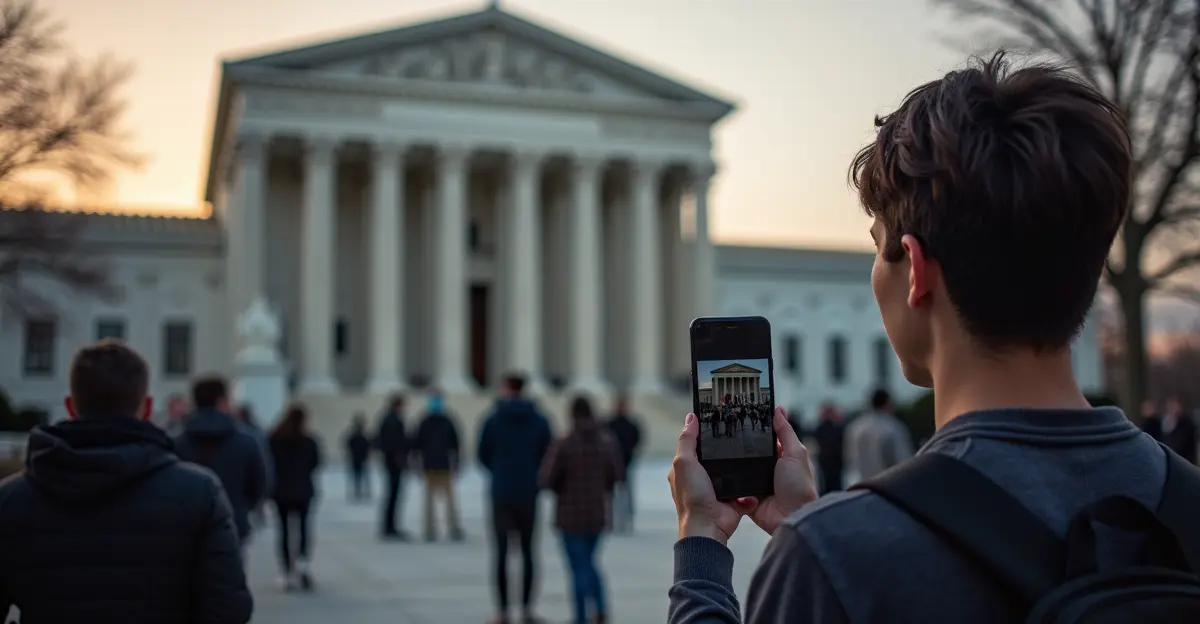
TikTok and its users argue that the ban violates the First Amendment, as it restricts free speech. The U.S. Supreme Court recently upheld the ban, but enforcement remains uncertain, with President Biden indicating he won't enforce it. Meanwhile, President-elect Trump is considering an executive order to delay the ban, adding another layer of complexity to the issue.
Global Implications
Countries like Kenya, Senegal, and Somalia have already imposed restrictions on TikTok, citing concerns over unregulated content and propaganda. In Asia, nations such as Afghanistan and Bangladesh have banned the app for violating Islamic laws or promoting harmful content. These actions highlight the global tension between digital innovation and national security.
Expert Opinions
Cybersecurity experts warn that banning TikTok may not solve data privacy issues, as users could turn to alternative platforms with similar risks. Media law scholars emphasize the need for comprehensive federal privacy laws rather than outright bans to address these concerns effectively.
The Future of Social Media
If TikTok is banned, competitors like Rednote and Lemon8 may rise to fill the void, but the broader question remains: Can the U.S. balance national security with the freedoms of speech and innovation? The ongoing debate underscores the need for nuanced solutions in an increasingly digital world.




Follow Discussion