


 Deutsch
 English
 Español
 Français
 Nederlands
 Português


 Share
Share




What Are NATO Reservists and Why Are They Suddenly So Important?
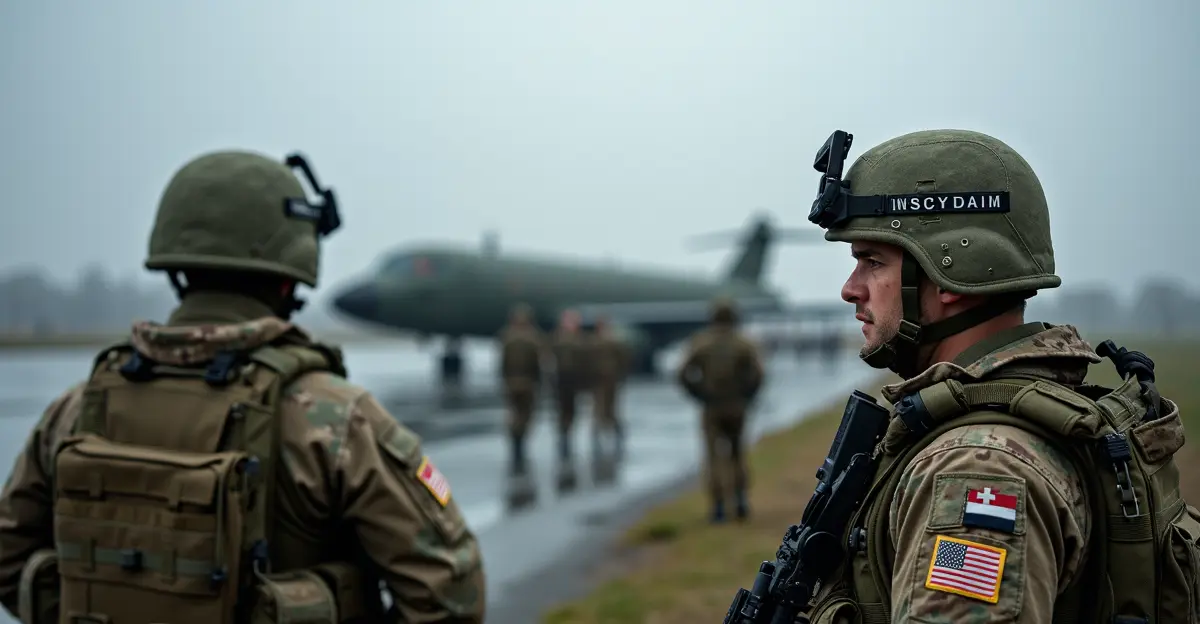
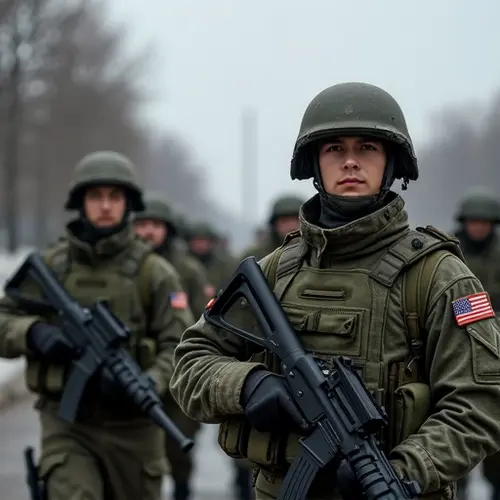
NATO reservists are part-time military personnel who maintain civilian careers while providing critical support to their national armed forces. In 2026, these reservists have transformed from strategic afterthoughts to essential assets in the NATO defense strategy, driven by Russia's invasion of Ukraine and evolving security threats across Europe. The alliance has fundamentally reimagined its approach to reserve forces, recognizing that modern conflicts require rapid mobilization of both mass and specialized skills that only reservists can provide.
The Strategic Shift: From Sideline to Center Stage
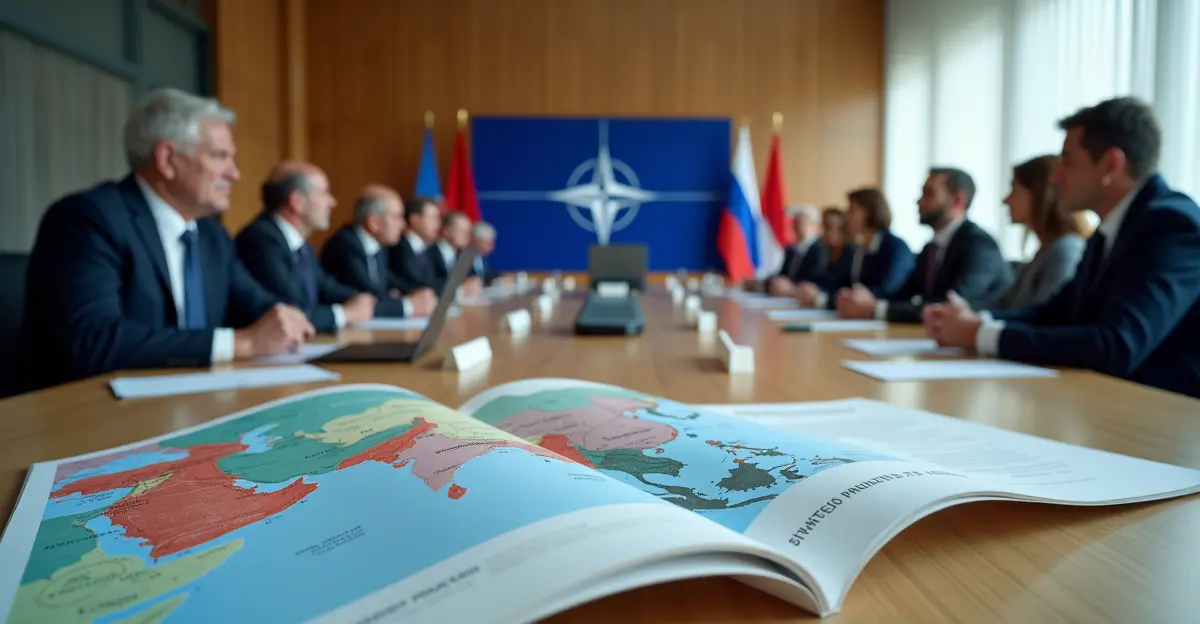
For decades, reservists stood at the sidelines of NATO military planning, but the 2022 Russian invasion of Ukraine exposed critical gaps in conventional force structures. According to Euronews reporting, NATO has been forced to completely overhaul its reserve policies, with the alliance updating its formal reserve framework in 2023 to emphasize integration rather than separation from regular forces. 'All countries are doing it in different ways, at different paces, and they've been doing it for a few years. But it's gaining momentum, it's still gaining momentum,' says Brigadier General Gilbert Overmaat, chairman of the NATO Committee for Reserve Troops.
The Three Pillars of the 'Reserve Advantage'
At the 2026 NATO Reserve Conference in Norfolk, Virginia, U.S. Air Force Reserve leaders introduced the 'Reserve Advantage' concept built on three critical pillars:
- Civilian-sector expertise: Reservists bring specialized skills from fields like cyber security, IT, engineering, and drone operations that are increasingly vital in modern warfare.
- Strategic depth and surge capacity: Reserve forces provide the mass needed for large-scale conflicts while maintaining cost-effectiveness during peacetime.
- Strong community connections: Reservists serve as crucial bridges between military and civilian society, enhancing societal resilience and public understanding of defense needs.
Country-by-Country Reserve Modernization Efforts
France's Ambitious Reserve Expansion
France has launched its 'Reserve 2030' initiative aiming to double reserve numbers and create mixed units where reservists train and deploy alongside regular forces. During the VULCAIN 2025 military exercise, France mobilized 1,000 personnel, with approximately 80% being reservists. The country is also establishing a dedicated reservist cyber battalion to address growing cyber warfare threats in Europe.
Germany's Voluntary Military Service Revival
Germany has reintroduced voluntary military service with ambitious targets: 260,000 active military personnel and 200,000 reservists by 2035. This represents a significant shift for a country that had largely phased out conscription in 2011. The German approach emphasizes attracting talent from technical fields while maintaining strong connections to civilian society.
Estonia's Reserve-First Model
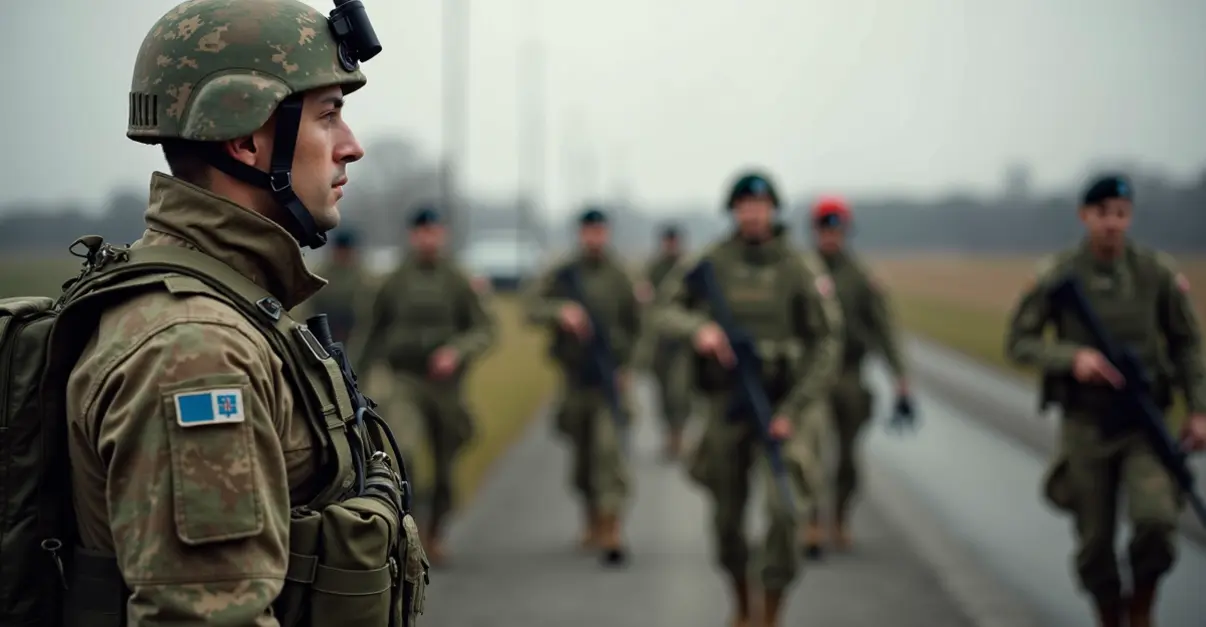
Estonia serves as a role model for NATO with a military that's predominantly manned by reservists. The Estonian Defense Forces maintain a comprehensive mobilization system where reservists perform across the full spectrum of military operations, including infantry, artillery, and specialized units. This model has proven particularly effective for smaller nations facing potential threats from larger neighbors.
Key Statistics: NATO Reserve Forces in Numbers
| Country | Reserve Personnel (2026) | Key Initiatives |
|---|---|---|
| France | Target: Double current 63,700 | Reserve 2030, mixed units, cyber battalion |
| Germany | Target: 200,000 by 2035 | Voluntary service revival, technical recruitment |
| Estonia | Predominantly reservist-based | Comprehensive mobilization system |
| Latvia | Conscription reintroduced 2023 | Enhanced readiness and training |
| United Kingdom | 70,650 reserves | Specialist recruitment, integration exercises |
Why This Shift Matters for European Security
The transformation of NATO reserve forces represents more than just military reorganization—it reflects a fundamental change in how democracies prepare for potential conflicts. Reservists provide three critical advantages that regular forces cannot easily replicate: rapid scalability during crises, specialized civilian expertise, and stronger societal connections that enhance national resilience. As Brigadier General Overmaat notes, 'If awareness of threats in a country is greater, the political will to take action is also greater and there is more movement.' This growing threat awareness across Europe has created unprecedented momentum for reserve force modernization.
Future Outlook: Reservists in 2026 and Beyond
Looking ahead, NATO reservists will play increasingly vital roles in several key areas:
- Cyber defense: With cyber attacks becoming more sophisticated, reservists with IT and security backgrounds will be crucial for protecting critical infrastructure.
- Hybrid warfare: Reservists' civilian expertise will help counter disinformation campaigns and other non-traditional threats.
- Rapid response: Enhanced reserve systems will enable faster mobilization during regional crises.
- International cooperation: Programs like the Reserve Allies and Partners Program will strengthen interoperability between NATO members and partner nations.
Frequently Asked Questions About NATO Reservists
What exactly are NATO reservists?
NATO reservists are part-time military personnel who maintain civilian careers while providing essential support to their national armed forces. They train regularly and can be mobilized during emergencies or conflicts.
Why has there been such a sudden focus on reservists in 2026?
The Russian invasion of Ukraine exposed critical gaps in conventional force structures, demonstrating that modern conflicts require rapid mobilization of both mass and specialized skills that reservists uniquely provide.
Which NATO countries have the most advanced reserve systems?
Estonia, Latvia, and Lithuania have particularly advanced reserve and mobilization systems, while France and Germany are implementing ambitious modernization programs that other European defense initiatives are watching closely.
What specialized skills do reservists bring to modern militaries?
Reservists contribute expertise in cyber security, information technology, engineering, drone operations, logistics, and other technical fields that are increasingly vital in contemporary warfare scenarios.
How do reservists enhance societal resilience?
By maintaining strong connections to civilian communities, reservists help bridge military and civilian worlds, enhancing public understanding of defense needs and preparing societies for potential security challenges.
Follow Discussion