Nederlands
 English
 Deutsch
 Français
 Español
 Português





Western Sanctions Taking Heavy Toll on Russian Economy
The European Union's sanctions envoy, David O'Sullivan, has delivered a stark assessment of Russia's economic situation, warning that Western sanctions are having a 'significant impact' and that Russia's war economy could become 'unsustainable' by 2026. In an exclusive interview with The Guardian, the veteran Irish diplomat stated that Russia is facing its toughest economic conditions since the invasion of Ukraine nearly four years ago.
Economic Distortions and Military Prioritization
'I think Russia cannot ignore the laws of economic gravity forever,' O'Sullivan said, emphasizing the severe distortions in Russia's economy. The country has prioritized military production over civilian needs, creating what experts describe as a 'war economy' that is increasingly unsustainable. Russia's oil revenues have plummeted, inflation stands at 6%, and interest rates have soared to 16% - the highest levels since the conflict began.
The EU has imposed 19 rounds of sanctions targeting over 2,700 individuals, companies, and institutions since Russia's invasion of Ukraine in 2022. These measures have effectively paralyzed trade in major economic sectors and severely restricted Russia's access to international markets and technology.
Cracking Down on the Shadow Fleet
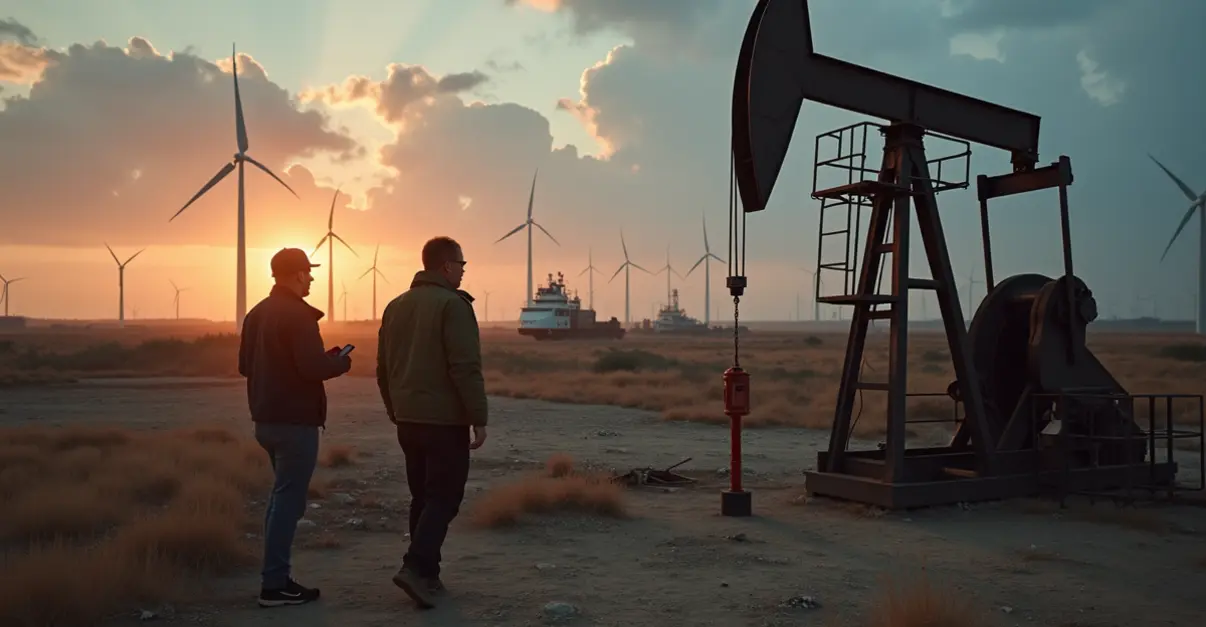
One of the EU's recent successes has been targeting Russia's 'shadow fleet' - tankers operating under false flags to transport sanctioned oil. In December 2025, the European Council sanctioned 41 additional vessels in this shadow fleet, bringing the total to over 600 ships on European sanctions lists.
'We're making progress in disrupting Russia's ability to circumvent oil sanctions,' O'Sullivan noted, though he acknowledged that enforcement remains challenging. The shadow fleet consists of older tankers operating outside normal regulatory frameworks, allowing Russia to continue exporting oil despite international restrictions.
China's Role and Economic Outlook
A significant concern for Western officials has been China's continued economic support for Russia. 'China is filling part of the gap and providing support,' O'Sullivan stated, adding that when EU leaders raise these concerns with Beijing, 'the answer is always the same: nothing is wrong. We don't know what you're talking about.'
Economic projections for Russia in 2026 paint a bleak picture. According to The Moscow Times, Russia's economy is expected to enter a period of stagnation, with GDP growth slowing to around 1% after achieving over 4% growth in previous years. The government has been forced to implement higher taxes, including increasing VAT from 20% to 22%, to compensate for falling oil revenues.
'We could well reach a point in 2026 where the whole situation becomes unsustainable, because a large part of the Russian economy is so severely disrupted by the buildup of the war economy at the expense of the civilian economy,' O'Sullivan warned.
Sanctions as Strategic Tool
While acknowledging that sanctions are 'not a miracle cure,' O'Sullivan expressed cautious optimism about their effectiveness. 'I think the sanctions have had a significant impact on the Russian economy,' he said, pointing to Russia's declining financial stability and growing economic isolation.
The EU is preparing its 20th sanctions package, expected to be approved by late February to coincide with the fourth anniversary of Russia's invasion. This package will focus on closing loopholes and expanding existing measures, including potentially implementing a full maritime service ban that would prohibit EU economic operators from providing services to any vessel transporting Russian oil, gas, or coal.
As Russia's economic challenges mount, Western officials believe the pressure from sanctions will continue to undermine Moscow's ability to sustain its military operations in Ukraine, potentially forcing difficult choices about the future of the conflict.