


 Deutsch
 English
 Español
 Français
 Nederlands
 Português


 Share
Share




EU Takes Hard Line on Chinese Tech in Critical Infrastructure
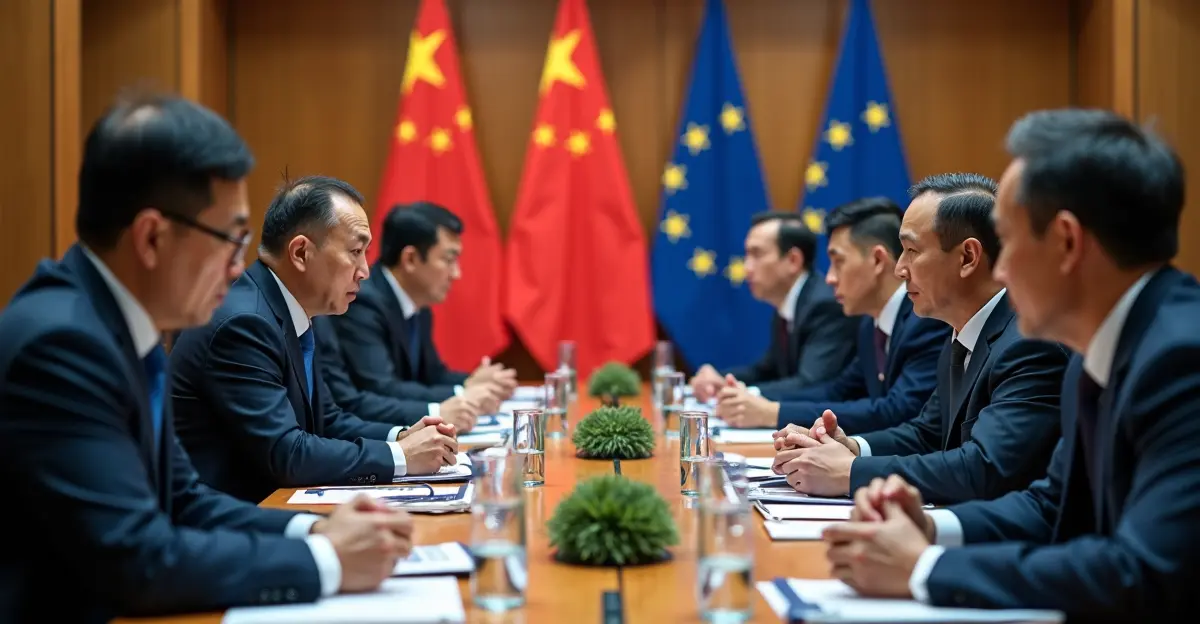
The European Commission has unveiled a groundbreaking cybersecurity proposal that will force member states to ban Chinese technology giants Huawei and ZTE from critical 5G networks across Europe. After years of voluntary guidelines that saw many countries drag their feet, Brussels is now taking a mandatory approach to what it calls 'high-risk vendors' in sensitive infrastructure.
From Voluntary to Mandatory Restrictions
European Commission Executive Vice President for tech and security policy, Henna Virkkunen, expressed clear frustration with the current situation: 'I'm not satisfied with how the member states have been implementing our 5G Toolbox. We know that we still have high-risk vendors in our 5G networks, in the critical parts, so now we will have stricter rules on this.'
The new Cybersecurity Act proposal, expected to be formally presented this week, represents a significant escalation in Europe's approach to digital sovereignty. The legislation would make restrictions on Chinese vendors mandatory rather than voluntary, as outlined in the EU's 5G Security Toolbox from 2020.
Economic Impact and Transition Period
The EU executive estimates that phasing out high-risk vendors from mobile networks would cost between €3 billion and €4 billion. Operators will have a three-year transition period to remove existing equipment once the law comes into effect.
Virkkunen emphasized the security imperative: 'EU capitals are now investing heavily into defense and security, and at the same time, we can't have that kind of situation where we have high-risk vendors in a critical part of our critical infrastructure.'
Beyond Telecoms: Wider Tech Supply Chains
While the immediate focus is on 5G networks, the legislation has broader implications. The cybersecurity bill aims to restrict Chinese vendors from providing tech equipment across multiple critical sectors including energy, security, and transport.
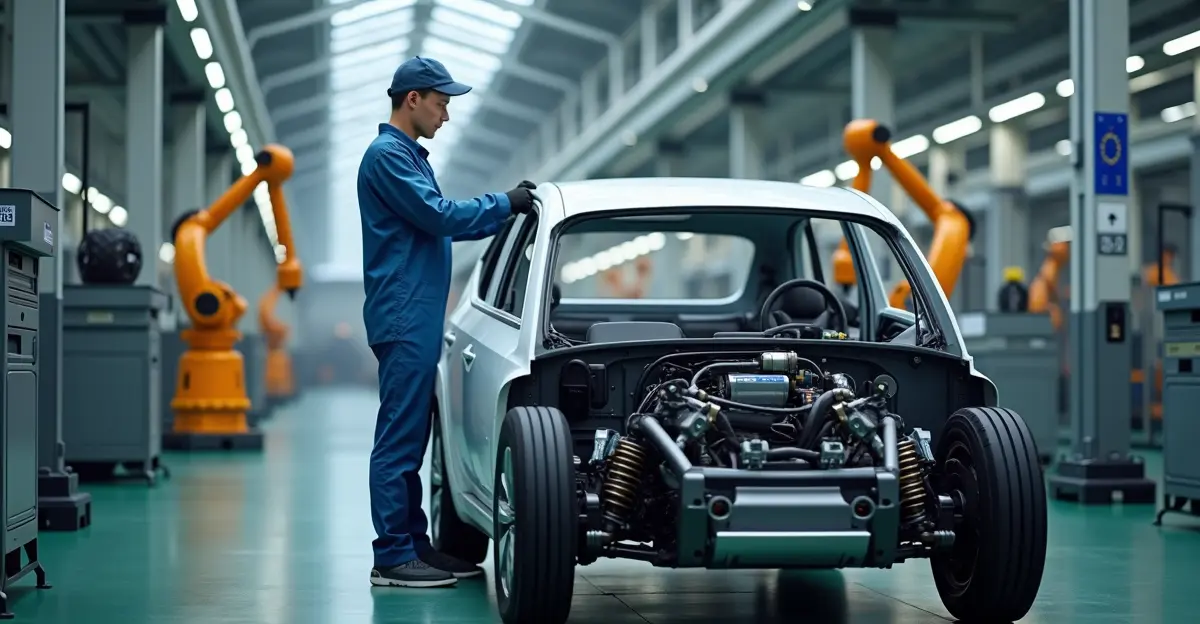
Companies that could face scrutiny include airport security scanner maker Nuctech, surveillance camera manufacturer Hikvision, Huawei's solar panel components, and Chinese connected car makers. The legislation follows growing concerns about Europe's reliance on non-EU technology suppliers amid increasing cyber threats and foreign interference.
China's Reaction and Trade Implications
China has already signaled strong opposition to the proposed measures. Linlin Liang, director of communication and research at the China Chamber of Commerce to the EU, warned earlier this month that blocking technology based on its provenance would 'deter investment from Chinese companies.'
Huawei has called the proposal discriminatory and a violation of WTO obligations. The company stated it reserves the right to protect its interests, setting the stage for potential trade tensions between Brussels and Beijing.
Political Challenges Ahead
The proposal faces significant political hurdles. National capitals have expressed concerns about what they see as Brussels interfering in national security policy. The legislation must now navigate negotiations in both the European Parliament and the Council of the EU, where member states could push back against what they perceive as a power grab by EU institutions.
As Europe grapples with balancing security concerns, economic interests, and international relations, this cybersecurity legislation represents one of the most significant technology policy shifts in recent years. The outcome will shape not only Europe's digital infrastructure but also its geopolitical positioning in an increasingly divided technological landscape.




Follow Discussion