Deutsch
 English
 Español
 Français
 Nederlands
 Português

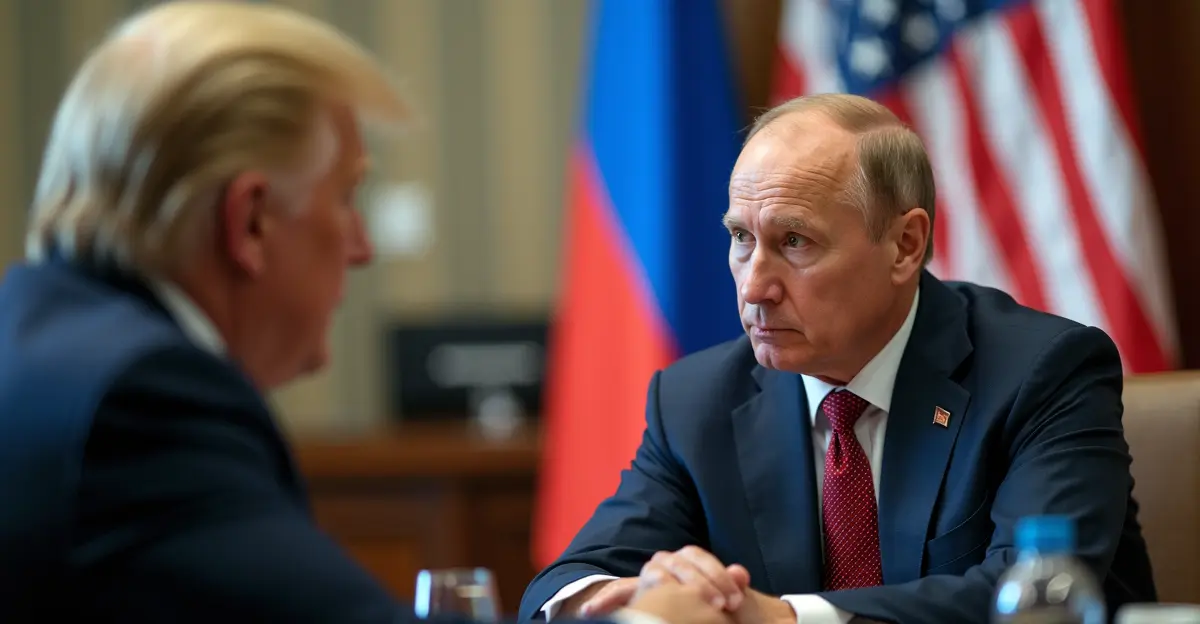





Historic Florida Meeting Yields Security Guarantees but Key Issues Remain
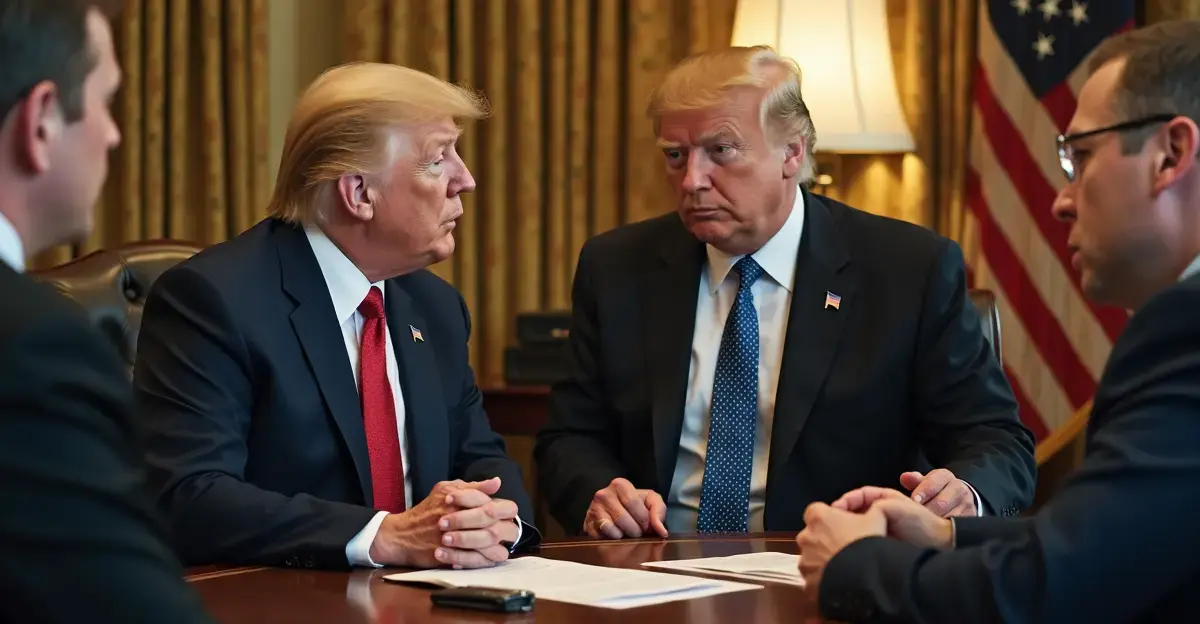
Ukrainian President Volodymyr Zelensky has secured a significant commitment from the United States for security guarantees following his high-stakes meeting with President Donald Trump at Mar-a-Lago in Florida. The December 28 summit, which came after Trump's extensive phone call with Russian President Vladimir Putin, resulted in a US offer of 15-year security guarantees for Ukraine—though Zelensky pushed for a longer 30-50 year commitment he called a 'historic decision'.
The Donbas Dilemma and Referendum Proposal
Despite progress on security arrangements, the fate of Ukraine's eastern Donbas region remains a major sticking point. Zelensky emphasized that any territorial decisions must involve the Ukrainian people through a referendum, requiring at least a 60-day ceasefire to conduct such a vote. 'The Ukrainian population must have a voice, particularly about the future of Donbas,' Zelensky told journalists after the meeting.
However, Russia has shown no willingness to accommodate such a process. Kremlin spokesperson Dmitry Peskov stated hours after the Trump-Zelensky meeting that Ukraine must withdraw its forces from the entire Donbas region, including areas not currently occupied by Russia. 'If Kyiv does not agree, it will lose more territory,' Peskov warned, reflecting Moscow's uncompromising position.
Trump's Optimism and Putin's Stance
President Trump expressed optimism about the negotiations, stating that about 90-95% of peace plan documents had been finalized. He revealed he had spoken with Putin for over two hours before meeting Zelensky and planned another call with the Russian leader. 'I believe Putin wants what's best for Ukraine,' Trump said, mentioning potential energy supplies and other benefits at 'very low prices.'
This characterization contrasts sharply with Russia's recent military actions. In the days leading up to the Florida meeting, Russia launched its longest sustained assault on Kyiv in 2025, targeting critical energy infrastructure and leaving large parts of the capital without power. The attacks have systematically degraded Ukraine's energy grid throughout the conflict, creating humanitarian crises during winter months.
European Involvement and Next Steps
European leaders were briefed on the meeting's outcomes through a one-hour conference call involving Trump, Zelensky, and representatives from France, Germany, the UK, Poland, Italy, Finland, Norway, NATO, and the European Commission. European Commission President Ursula von der Leyen described 'good progress' and emphasized that 'ironclad security guarantees from day one' are crucial for any ceasefire agreement.
Von der Leyen's comments came as she stressed Europe's readiness to work with both Ukrainian and American partners to consolidate the progress made. The European Union has been a key supporter of Ukraine throughout the conflict, providing military, financial, and humanitarian assistance while maintaining sanctions against Russia.
Unresolved Issues: Zaporizhzhia and Military Withdrawals
Beyond the Donbas question, several other critical issues remain unresolved. The status of the Zaporizhzhia Nuclear Power Plant—Europe's largest nuclear facility currently under Russian control—has not been addressed in detail. Additionally, Russia continues to demand that Ukraine permanently abandon claims to occupied territories, significantly reduce its military capabilities, and renounce NATO membership aspirations.
The concept of a 'free economic zone' in Donbas with military withdrawals, reportedly proposed by Washington, received no comment from the Kremlin. Similarly, Peskov declined to discuss potential Russian troop withdrawals from occupied territories.
Looking Ahead: January Meetings and Diplomatic Challenges
Despite the lack of immediate breakthrough on territorial issues, both sides indicated willingness to continue negotiations. Zelensky announced plans for another meeting in Ukraine involving US, European, and Ukrainian representatives in the coming days. Further talks are potentially scheduled for Washington in January.
The diplomatic developments come at a critical juncture in the conflict, which began with Russia's full-scale invasion in February 2022. According to Wikipedia, Zelensky has served as Ukraine's president since 2019 and has led the country's resistance throughout the war. The Donbas region has been a focal point of conflict since 2014, with approximately 14,000 people killed in fighting before the 2022 escalation, as documented on Wikipedia's Donbas war page.
As negotiations continue, the fundamental question remains whether Russia will soften its maximalist demands or whether Ukraine can secure sufficient security guarantees to consider territorial compromises. The coming weeks will test whether the Florida meeting represents genuine progress toward peace or merely another diplomatic maneuver in a protracted conflict.