Nederlands
 English
 Deutsch
 Français
 Español
 Português





US Imposes Sanctions on International Criminal Court Judges
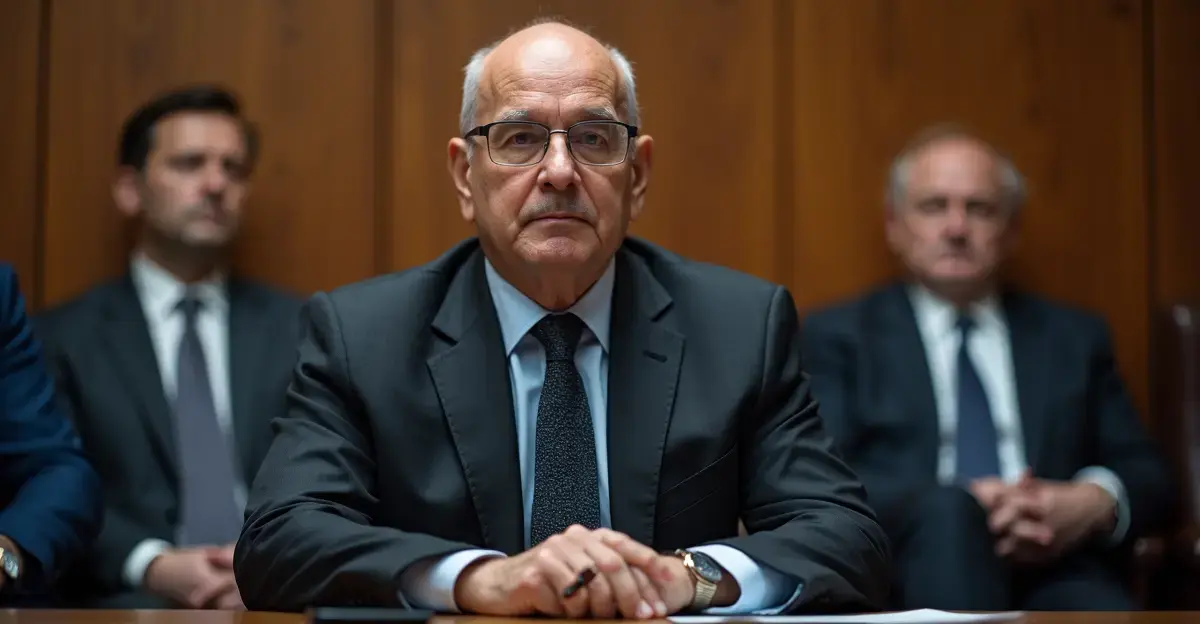
The United States has escalated its confrontation with the International Criminal Court (ICC) by imposing sanctions on two judges from the court based in The Hague. On December 18, 2025, Secretary of State Marco Rubio announced sanctions against judges Gocha Lordkipanidze of Georgia and Erdenebalsuren Damdin of Mongolia for their involvement in the ICC's investigation of Israeli nationals for alleged war crimes in Gaza.
Targeting Judicial Independence
The sanctions, implemented under Executive Order 14203, specifically target the judges for voting with the majority on December 15 when the ICC rejected Israel's attempt to pause the Gaza war crimes investigation. Both judges and their family members are now barred from entering the United States, and any assets they hold in the country will be frozen.
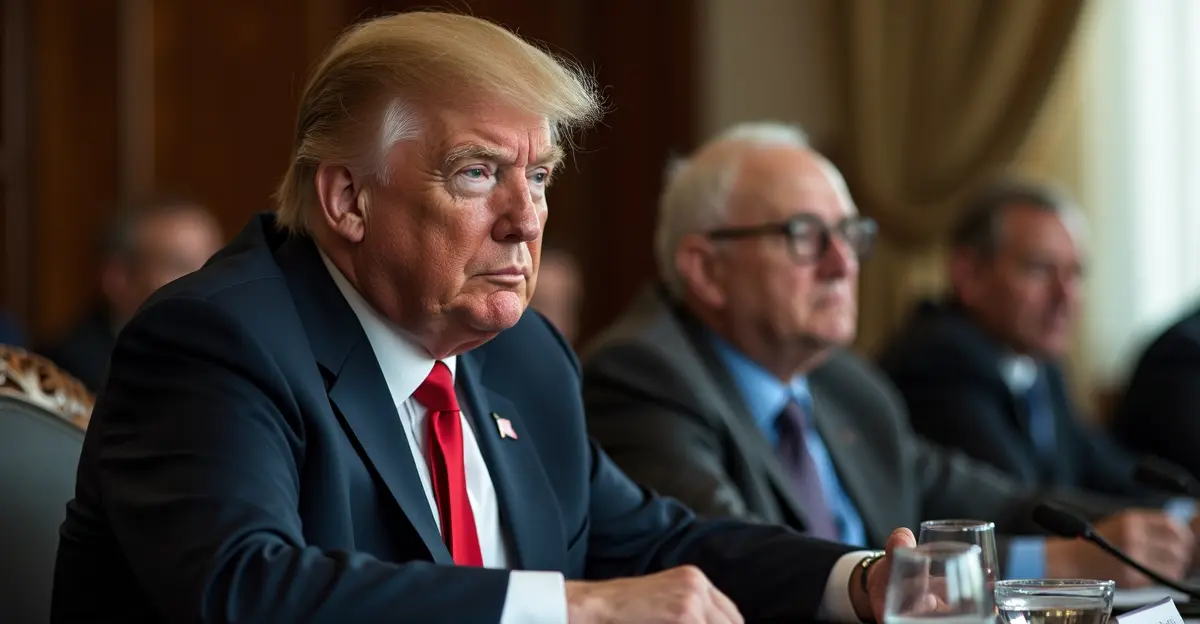
Secretary Rubio stated that the ICC has engaged in 'gepolitiseerde acties tegen Israël, wat een gevaarlijk precedent schept voor alle landen' (politicized actions against Israel, which sets a dangerous precedent for all countries). He emphasized that 'geen machtsmisbruik door het ICC tolereert' (the US does not tolerate abuse of power by the ICC) and that American and Israeli citizens should not be investigated by the court.
ICC and International Backlash
The ICC immediately condemned the sanctions, calling them 'een flagrante aanval op de onafhankelijkheid van een onpartijdig juridisch instituut' (a flagrant attack on the independence of an impartial judicial institution). In a statement, the court vowed to 'standvastig achter het personeel en de slachtoffers van ondenkbare gruwelijkheden' (stand firmly behind its staff and victims of unimaginable atrocities).
The Netherlands, as host country of the ICC, strongly rejected the sanctions. Caretaker Foreign Minister Caspar Veldkamp stated on X that 'internationale hoven en tribunalen hun mandaat ongehinderd moeten kunnen uitvoeren' (international courts and tribunals must be able to carry out their mandate without hindrance). He added that 'Het kabinet en onze partners steunen het hof en zijn medewerkers' (The cabinet and our partners support the court and its staff).
Broader Sanctions Against Iran's Shadow Fleet
In a related move, the US also sanctioned 29 vessels and their management companies, primarily targeting Iran's shadow fleet that transports Iranian oil and petroleum products. The Treasury Department announced these measures as part of efforts to restrict Iran's revenue sources that fund terrorism and illicit activities.
The sanctions target a network operated by Egyptian businessman Hatem Elsaid Farid Ibrahim Sakr and companies across the UAE, India, Marshall Islands, and Panama. This action implements National Security Presidential Memorandum 2 and Executive Order 13902, continuing the maximum pressure campaign against Iran.
Historical Context and Jurisdictional Disputes
The International Criminal Court, established in 2002 under the Rome Statute, has jurisdiction to prosecute individuals for genocide, crimes against humanity, war crimes, and the crime of aggression. With 125 member states, the court operates independently but faces ongoing criticism from major powers including the United States, China, Russia, and Israel - none of which are party to the Rome Statute.
This latest confrontation represents an escalation of tensions that began when the ICC issued arrest warrants for Israeli Prime Minister Benjamin Netanyahu and Defense Minister Yoav Gallant in 2024. The US has previously sanctioned ICC officials involved in investigations regarding American personnel in Afghanistan.
Legal experts warn that targeting judges for their judicial decisions sets a dangerous precedent. 'When you sanction judges for applying international law, you undermine the entire international legal order,' said one international law professor who requested anonymity due to the sensitivity of the issue.
The sanctions come amid heightened geopolitical tensions and raise fundamental questions about the balance between national sovereignty and international justice. As the ICC continues its investigations into alleged war crimes in multiple conflict zones, the standoff between the world's most powerful nation and the principal international court for atrocity crimes shows no signs of abating.