
 Deutsch
 English
 Español
 Français
 Nederlands
 Português






Maritime Security Takes Center Stage in 2025 National Strategy
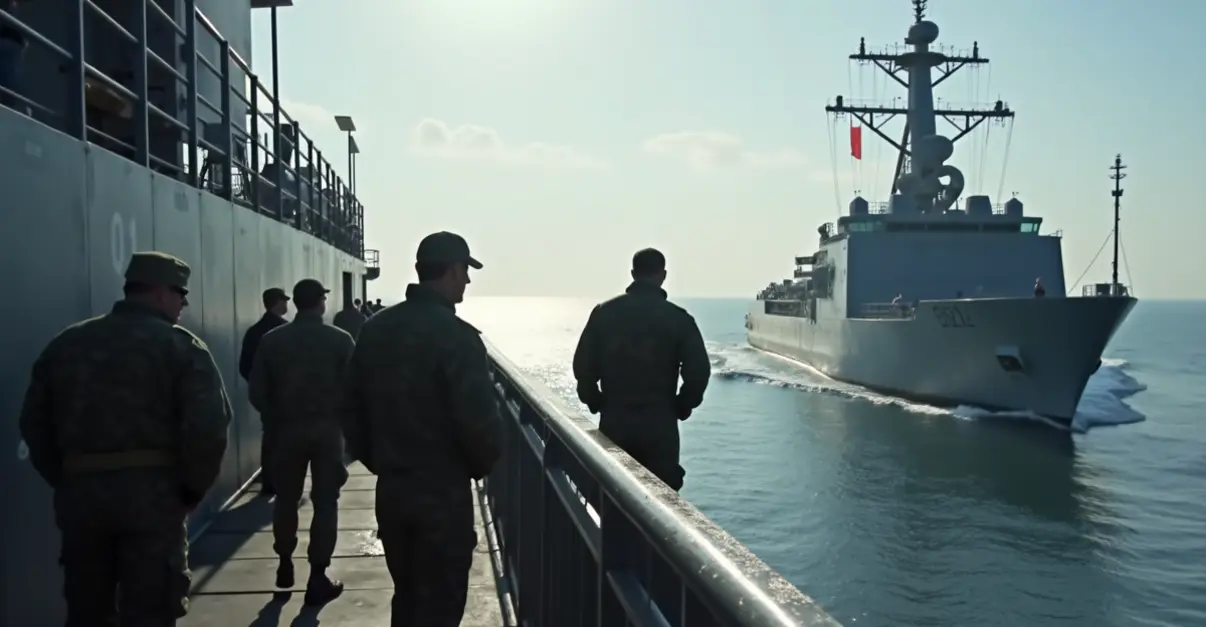
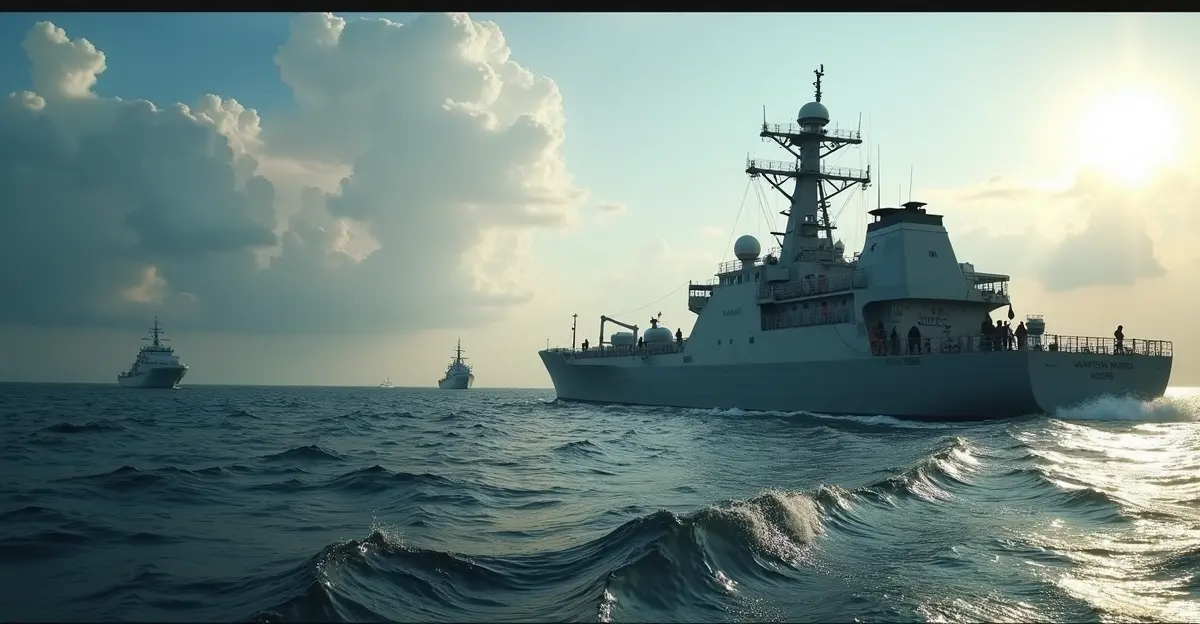
The United States has dramatically elevated maritime security to the core of its national defense framework, with sweeping patrol expansions now reshaping global shipping lanes and coastal communities. The 2025 National Security Strategy marks what experts call a 'decisive shift' that redefines maritime domains as central to American interests rather than peripheral concerns.
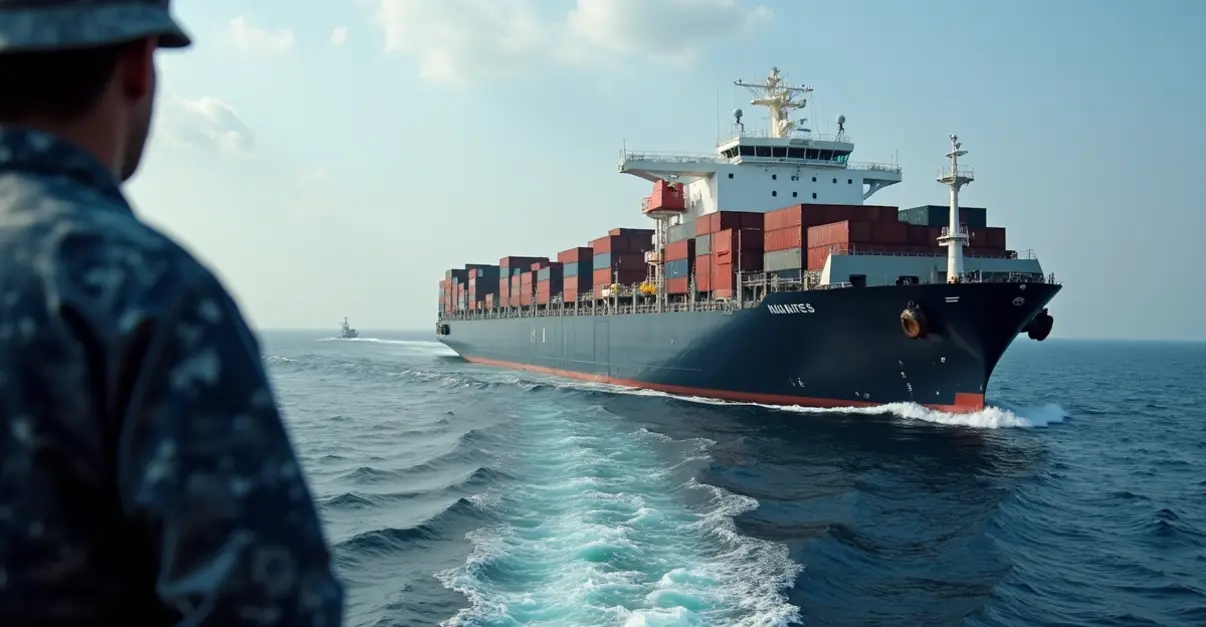
'Maritime security is no longer just about protecting coastlines—it's about securing the global economic arteries that keep our nation running,' says Victoria Gonzalez, a geopolitical analyst specializing in naval affairs. 'What we're seeing is the operationalization of a strategy that treats freedom of navigation and secure chokepoints as vital national interests.'
Western Hemisphere Becomes High-Priority Theater
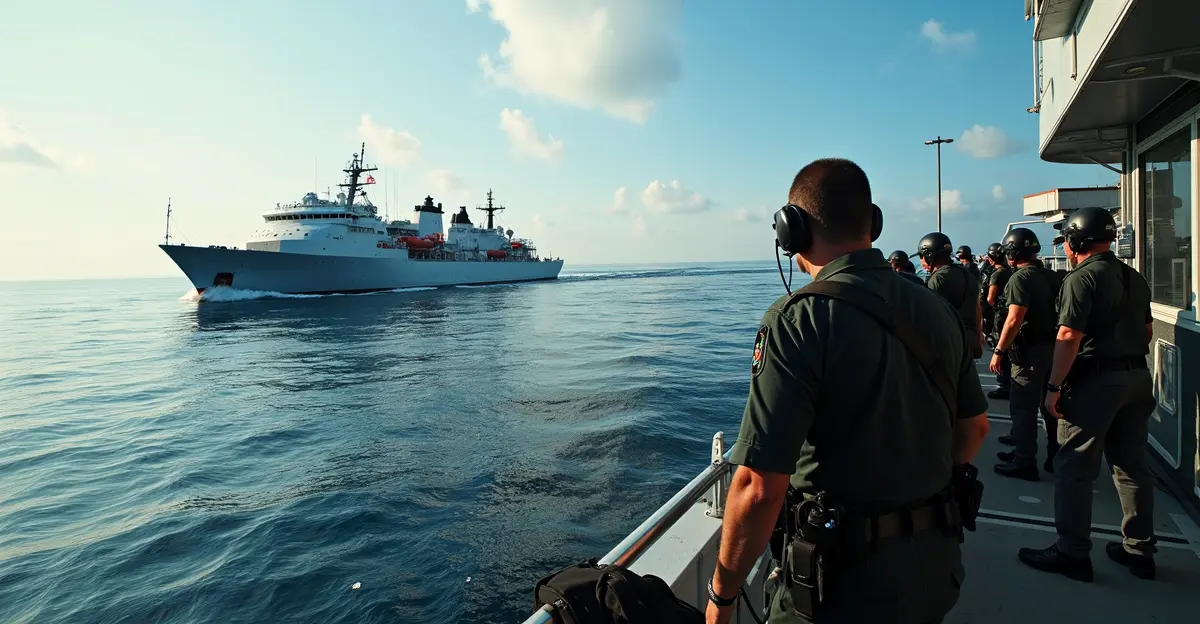
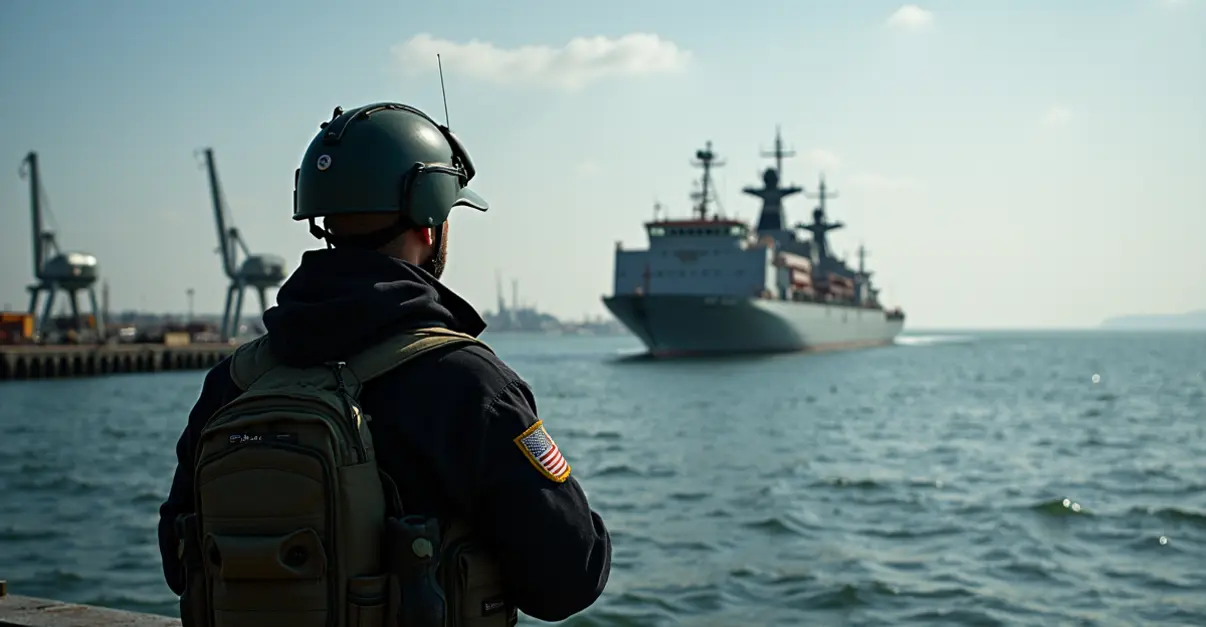
The strategy designates the Western Hemisphere as a primary enforcement zone, with increased Coast Guard and Navy presence already visible from the Caribbean to the Pacific Northwest. According to a recent analysis by Windward, this represents a fundamental reorientation of resources toward what officials now classify as 'gray-zone' threats—illicit activities that fall below traditional warfare thresholds but undermine regional stability.
The Government Accountability Office's GAO-25-108525 report reveals significant coordination challenges in current operations. The Department of Homeland Security employs aircraft, vessels, and personnel across multiple components including the Coast Guard, Customs and Border Protection, and Homeland Security Investigations to counter maritime smuggling of people, drugs, and weapons. However, the report found that DHS has not developed targets to measure effectiveness against drug smuggling and terrorism, and training requirements remain partially unimplemented.
Industry Responds with Unified Framework
The maritime industry has issued a coordinated response to the new strategic priorities. A unified industry group report, detailed by Maritime Professionals, emphasizes that industrial capacity is now central to national security rather than just a supporting element. The report identifies five key barriers limiting U.S. maritime growth: fragmented governance, workforce shortages, underinvestment in innovation, slow technology adoption incentives, and sustainability of the U.S.-flag fleet.
'Without industry-led coordination, we risk being unable to fully execute this national security strategy,' warns an industry representative quoted in the report. 'Federal agencies face limitations, and market forces alone cannot align competing companies around shared national priorities.'
Patrol Ship Market Booms with Expansion
The economic implications are substantial. The global patrol ship market is projected to grow from $252.5 million in 2025 to over $350 million by 2033, according to Data Insights Market. Another analysis by Future Market Insights projects the maritime patrol naval vessels market to reach $9.57 billion by 2035, up from $6.32 billion in 2025.
This growth is driven by increasing geopolitical instability, rising maritime security needs, and modernization of naval fleets worldwide. Major players like BAE Systems, Fincantieri, and Damen are investing heavily in advanced technologies including AI-driven autonomous systems and improved sensor integration.
Operational Challenges and Fleet Modernization
The Coast Guard's $17+ billion Offshore Patrol Cutter (OPC) program faces significant structural challenges, as reported by Defense Info. The program aims to replace aging Medium Endurance Cutters with 25 new vessels but has encountered persistent issues including design instability and construction concurrency. The lead ship OPC 1 is now projected for December 2026—over five years late.
These delays create operational gaps as aging cutters must remain in service longer, increasing maintenance costs and operational risks. The problems reflect deeper institutional patterns in Coast Guard acquisition, where operational urgency and resource constraints sometimes incentivize aggressive schedules over technical maturity.
Community Impacts and Future Outlook
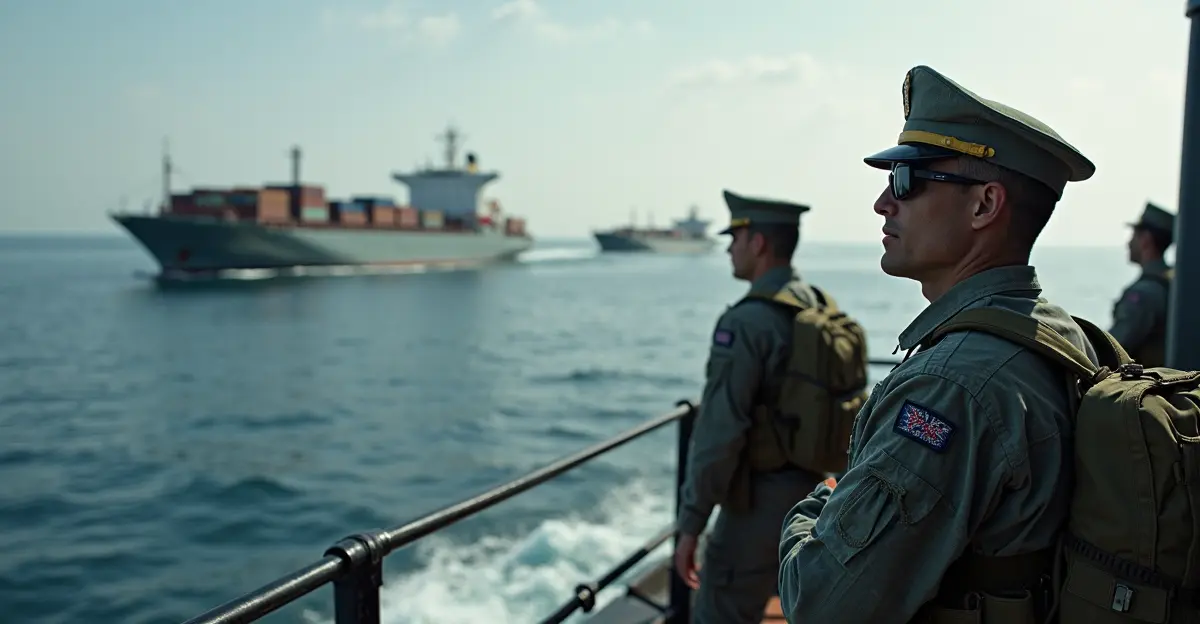
Coastal communities are experiencing both benefits and disruptions from the expanded patrol presence. Increased security brings economic opportunities through port modernization and workforce development, but also creates navigation restrictions and environmental concerns.
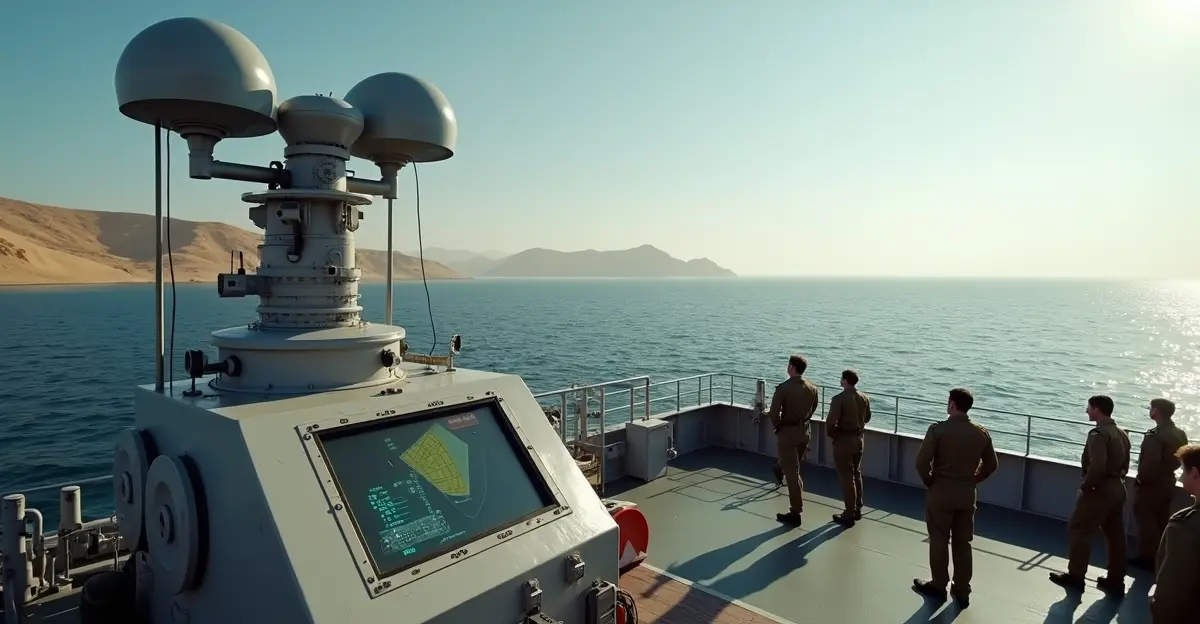
The strategy's emphasis on predictive, persistent intelligence represents a technological shift toward real-time discovery, attribution, and response capabilities. This approach aims to counter modern maritime threats before they reach critical stages, fundamentally changing how nations protect their maritime interests.
As the 2025 strategy continues to unfold, its implementation will test the balance between security imperatives, economic interests, and international cooperation in an increasingly contested maritime domain.
Follow Discussion