


 Deutsch
 English
 Español
 Français
 Nederlands
 Português


 Share
Share




MIT Technology Review Unveils 2026's Most Transformative Technologies
In a landmark announcement marking its 25th anniversary, MIT Technology Review has released its highly anticipated list of 10 breakthrough technologies for 2026. The selection represents months of rigorous analysis by the publication's editorial team and highlights innovations poised to reshape industries and address global challenges across climate, artificial intelligence, biotechnology, and space exploration.
Energy Revolution Takes Center Stage
Two energy technologies dominate the list: sodium-ion batteries and next-generation nuclear reactors. Sodium-ion batteries, which use abundant salt instead of scarce lithium, promise to revolutionize energy storage for electric vehicles and power grids. 'This technology could finally make affordable, large-scale energy storage a reality,' says Dr. Elena Rodriguez, an energy researcher at Stanford University. 'We're talking about batteries that are cheaper, safer, and more sustainable than current lithium-ion systems.'
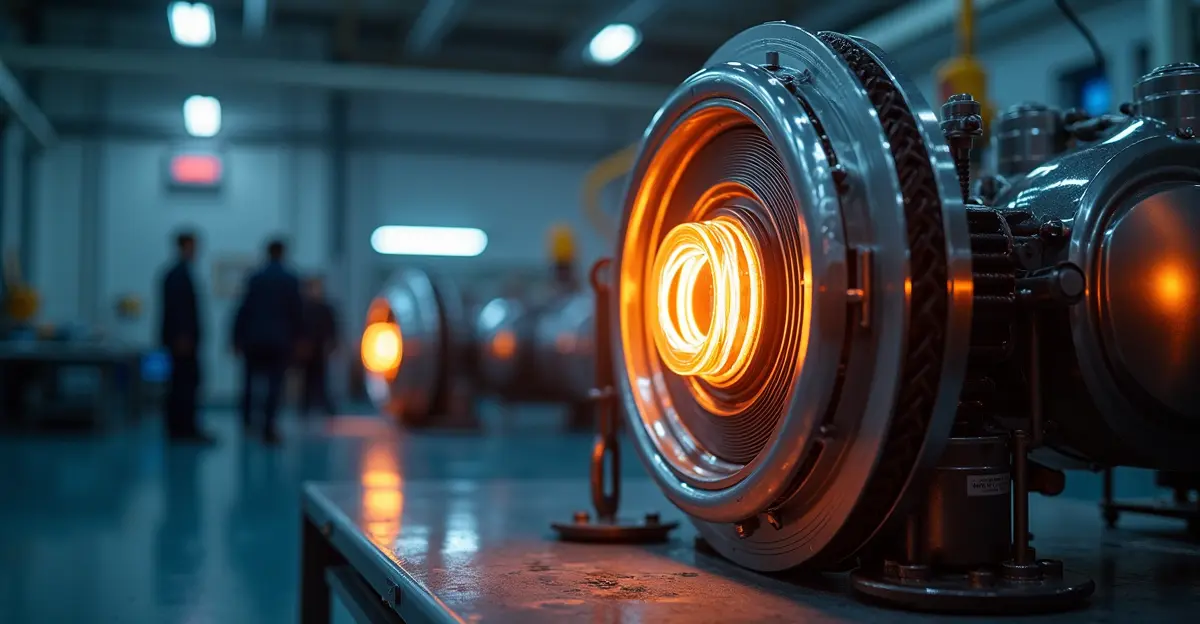
Next-generation nuclear reactors feature innovative designs using alternative fuels and cooling systems like molten salt. These modular reactors could accelerate nuclear power deployment while addressing safety concerns that have plagued traditional designs.
AI Transforms Software Development and Human Relationships
Generative AI coding has earned breakthrough status for the first time in the list's 25-year history. Major tech companies report staggering adoption rates: Microsoft generates 30% of its code via AI, Google over 25%, and Meta aims for 50% within a year. 'We're witnessing the most significant shift in software development since the invention of high-level programming languages,' observes tech analyst Michael Chen.
Perhaps more controversially, AI companions that form emotional bonds with users also made the list. These sophisticated chatbots are raising important questions about mental health and human-bot relationships. 'The line between tool and companion is blurring in ways we've never seen before,' notes psychologist Dr. Sarah Johnson.
Biotech Breakthroughs and Space Commercialization
Biotechnology advances include personalized gene-editing treatments using base editing techniques and sophisticated embryo scoring that can predict traits beyond genetic diseases. The latter raises significant ethical questions about designer babies and genetic selection.
Space tourism takes a giant leap forward with the first commercial space stations scheduled to launch in May 2026. These orbital facilities will host tourists and researchers, marking a new era of space commercialization. 'We're transitioning from government-led space exploration to a truly commercial space economy,' says aerospace entrepreneur Maria Gonzalez.
Infrastructure and Future Contenders
Hyperscale AI data centers represent another critical breakthrough, pushing computing infrastructure to unprecedented limits with massive energy requirements. The list also includes honorable mentions like reasoning models, artificial wombs, humanoid robots, and uncrewed fighter jets that didn't make the final cut but show promising development.
As MIT Technology Review editor-in-chief notes, 'These technologies represent a shift from experimental tools to production infrastructure. Governance and safety are becoming critical constraints as these innovations scale.' The full analysis appears in the January/February Innovation issue and is available online at MIT Technology Review.





Follow Discussion