


 Deutsch
 English
 Español
 Français
 Nederlands
 Português


 Share
Share




Grocery Hacking: The Viral Budgeting Trend Saving Families Thousands
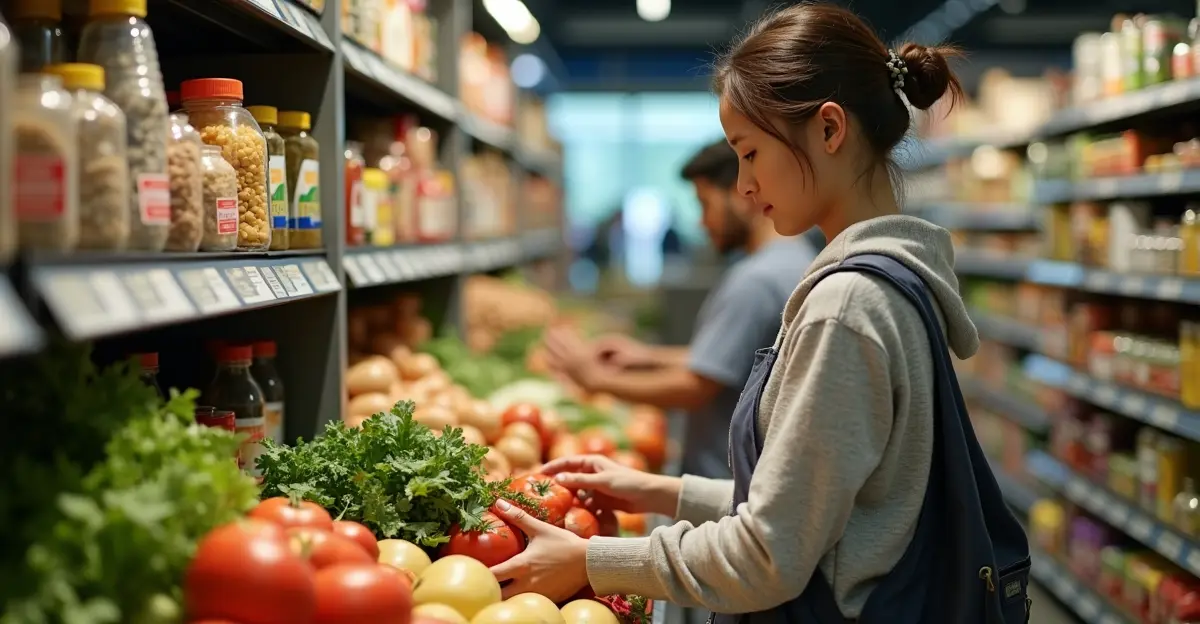
In an era of rising food costs, budget-conscious families are turning to innovative strategies like grocery hacking to stretch their dollars further. This viral trend combines meal planning, AI-powered shopping bots, and zero-waste cooking to help households save thousands annually.
Meal Planning: The Foundation of Savings
Meal planning is the cornerstone of grocery hacking. By mapping out meals for the week, families can avoid impulse purchases and reduce food waste. Tools like digital meal planners and apps such as Mealime and Yummly make it easier to organize recipes and create shopping lists tailored to budget constraints.
AI Shopping Bots: The Future of Frugal Shopping
AI-powered shopping bots are revolutionizing how families buy groceries. These bots scan multiple retailers for the best deals, apply digital coupons automatically, and even suggest cheaper alternatives. Apps like Flipp and Basket AI are gaining popularity for their ability to slash grocery bills by up to 30%.
Zero-Waste Cooking: Maximizing Every Ingredient
Zero-waste cooking is another pillar of grocery hacking. Techniques like repurposing leftovers, using vegetable scraps for stocks, and preserving seasonal produce help families minimize waste and save money. Social media platforms are buzzing with creative recipes and tips from zero-waste advocates.
The Impact: Real Savings for Real Families
Families adopting these strategies report saving an average of $2,000 to $3,000 per year. With grocery prices continuing to climb, grocery hacking is more than a trend—it’s a necessity for many households.




Follow Discussion