


 Deutsch
 English
 Español
 Français
 Nederlands
 Português


 Share
Share




What is the UN Financial Crisis?
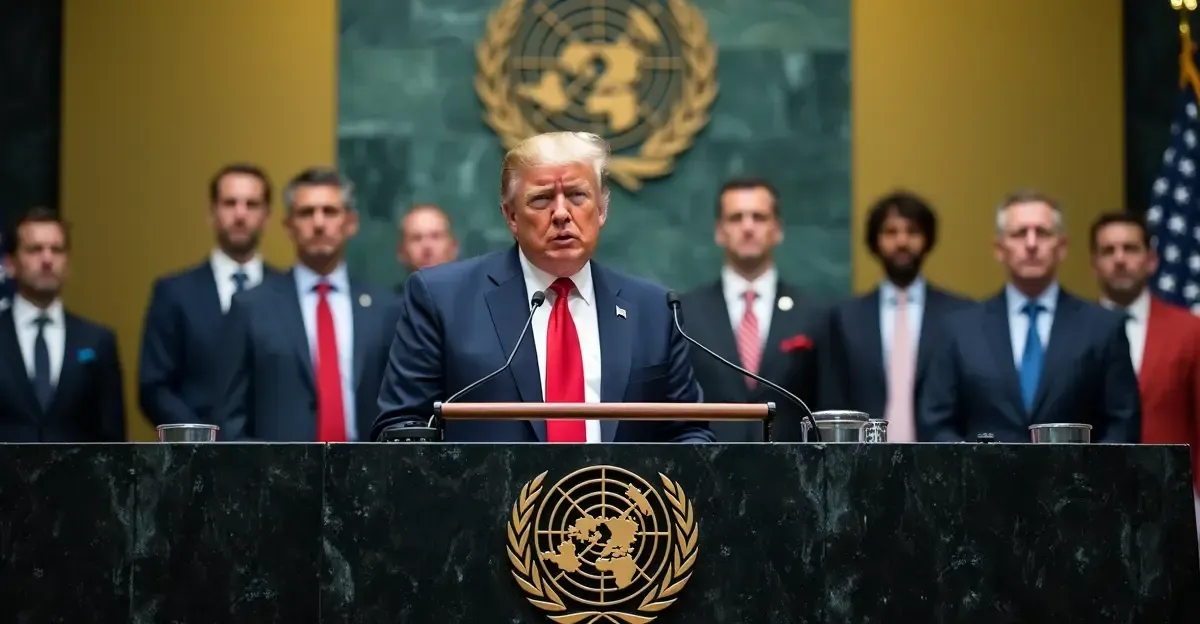
The United Nations is facing an unprecedented financial crisis in 2026, with the United States owing nearly $4 billion in unpaid dues that threatens to cripple the organization's global operations. According to UN officials speaking to Politico, virtually all outstanding payments to the UN come from the US, which owes approximately $2.196 billion to the regular operating budget and an additional $1.8 billion for peacekeeping operations. This financial standoff represents the most severe funding crisis in UN history, with Secretary-General Antonio Guterres warning that cash for regular operations could run out by July 2026.
Breaking Down the $4 Billion US Debt
The US debt to the UN comprises two main components that reflect the organization's dual funding structure:
Regular Operating Budget: $2.196 Billion
This portion covers the UN's day-to-day operations, including staff salaries, building maintenance, and administrative costs. The US owes $767 million for 2026 alone, plus accumulated arrears from previous years. The regular budget funds essential operations from the UN headquarters in New York to specialized agencies worldwide.
Peacekeeping Operations: $1.8 Billion
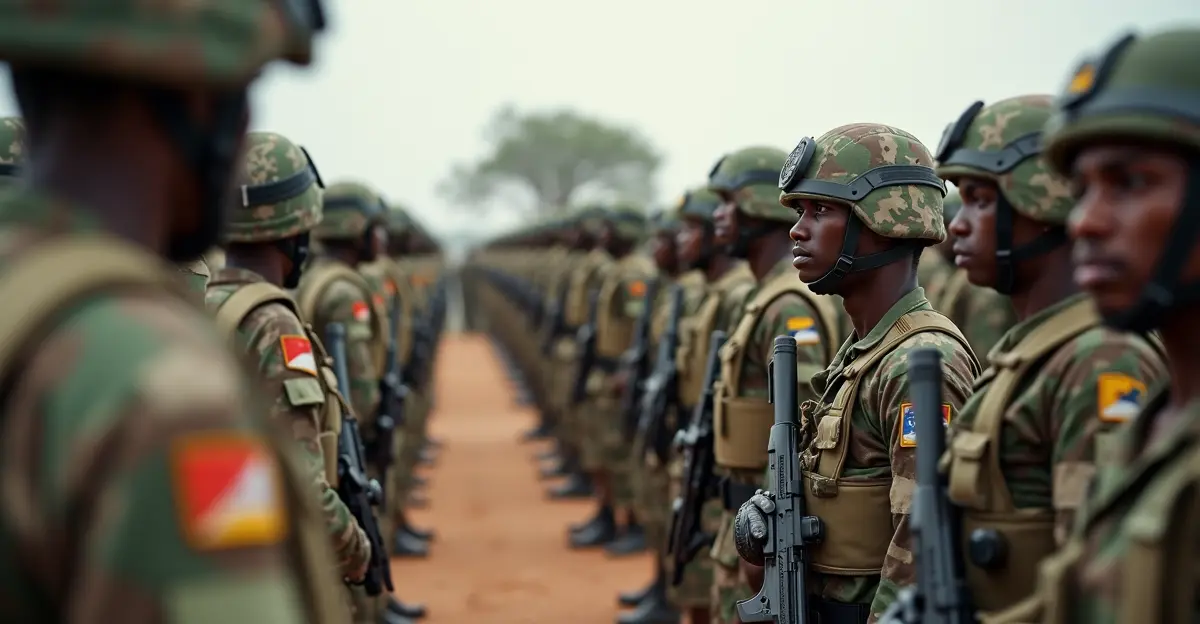
This separate budget supports 12 peacekeeping missions deploying nearly 70,000 military, police, and civilian personnel across Africa, the Middle East, and Europe. The UN General Assembly recently approved a $5.38 billion peacekeeping budget for 2025-2026, but the US has failed to pay its assessed contributions.
US Demands Budget Reforms Before Payment
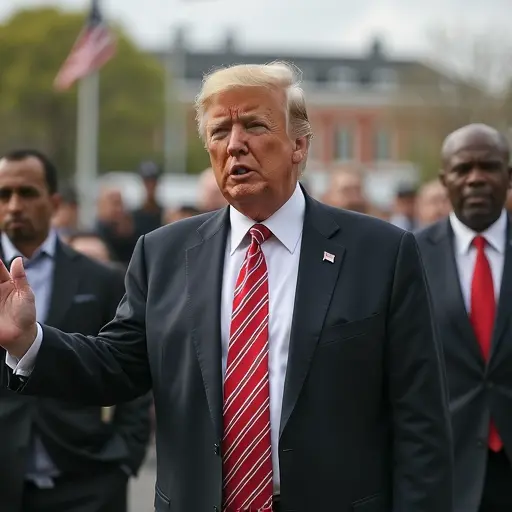
The Trump administration has made clear that payment is contingent on significant budget reforms within the UN system. US Ambassador to the UN Mike Waltz has indicated that while a 'significant down payment' would be made within weeks, the administration demands what it calls 'tough love' reforms first.
'The Americans find that there must first be a decent budget, and that too much money is being thrown around now. They also have a point in that,' says foreign affairs commentator Bernard Hammelburg.
The US position reflects longstanding concerns dating back to the Reagan administration in 1981. As Hammelburg notes, 'The criticism of the UN has been going on since Ronald Reagan came to power in 1981. Since then, you've been hearing that the UN must first clean house, because some political committees are no good.'
Historical Context of US-UN Financial Tensions
The current crisis represents the culmination of decades of financial disputes between Washington and the world body:
- 1980s: Reagan administration begins questioning UN budget efficiency
- 1990s: US diplomat John Bolton famously remarked that if the top ten floors of the UN building disappeared, no one would notice
- 2025: Trump administration made no payments to the UN and withdrew from WHO and UNESCO
- 2026: Current $4 billion debt represents 95% of all UN arrears
Impact on Global Operations
The financial crisis threatens to disrupt UN operations worldwide. Guterres warned in a letter to all member states that money for the operational budget could run out by July, which would severely affect activities. From the International Atomic Energy Agency in Vienna to UN organizations in Geneva, all will feel the impact if America turns off the money tap.
'If the Americans don't pay, the UN will virtually go bankrupt,' warns Hammelburg.
Other Debtor Nations and Global Response
While the US accounts for 95% of UN arrears, other nations also owe significant amounts:
| Country | Amount Owed | Percentage of Total |
|---|---|---|
| United States | $4 billion | 95% |
| Venezuela | $38 million | 0.9% |
| Other Nations | $162 million | 4.1% |
Approximately sixty countries have paid their annual contributions on time, but the massive US shortfall overwhelms these payments. The situation highlights the global governance funding challenges facing multilateral institutions in an era of rising nationalism.
Potential Solutions and Negotiations
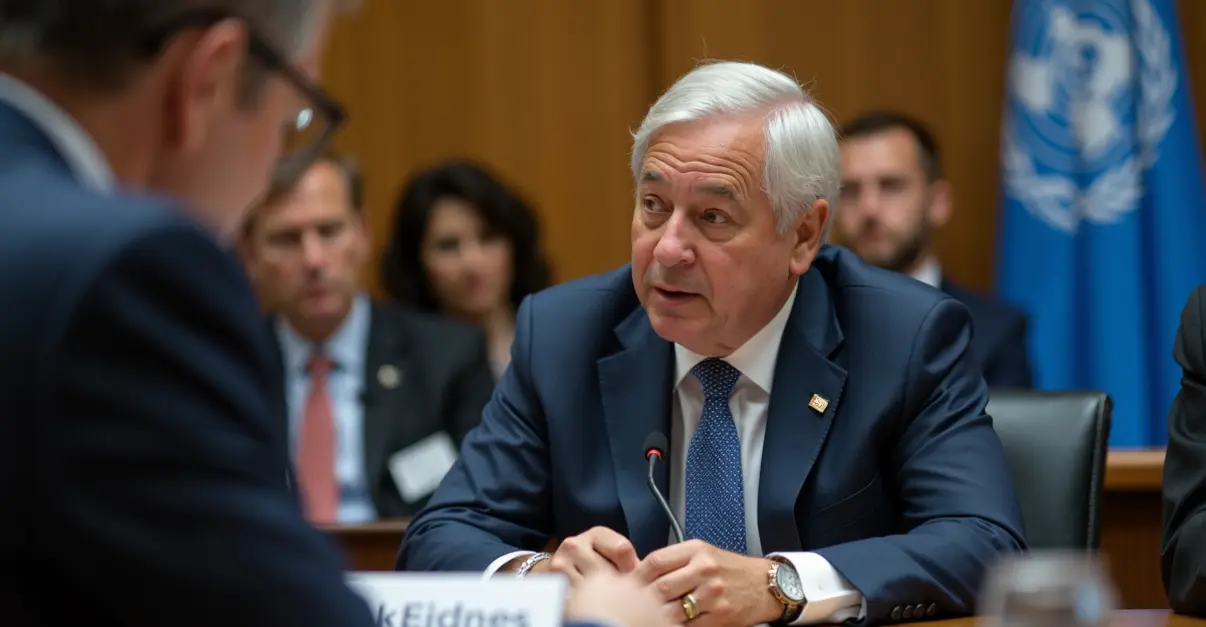
UN spokesperson Stephane Dujarric has confirmed that Secretary-General Guterres has been in contact with Ambassador Waltz for 'some time' regarding the payments. 'We are waiting to see when the payments will take place exactly, and what amount it will be,' says Dujarric.
The US Congress recently passed a spending bill including $3.1 billion for UN dues, suggesting some movement toward resolution. However, the Trump administration continues to emphasize the need for UN reforms, criticizing what it sees as bureaucratic inefficiency and calling for consolidation of agencies.
FAQ: UN Financial Crisis 2026
How much does the US owe the UN?
The United States owes approximately $4 billion to the United Nations - $2.196 billion for the regular operating budget and $1.8 billion for peacekeeping operations.
When will the UN run out of money?
UN Secretary-General Antonio Guterres has warned that cash for regular operations could run out by July 2026 without US payments.
What reforms does the US want from the UN?
The Trump administration demands budget efficiency reforms, consolidation of agencies, reduced bureaucracy, and improved financial accountability before making full payments.
Which other countries owe money to the UN?
Venezuela owes $38 million, making it the second-largest debtor after the US. Approximately 60 countries have paid their contributions on time.
Has the US made any recent payments?
The Trump administration made no payments in 2025 but has indicated a significant down payment will be made within weeks in 2026.


Follow Discussion