


 Deutsch
 English
 Español
 Français
 Nederlands
 Português


 Share
Share




The Cashless Revolution Accelerates
Sweden is rapidly approaching a milestone that could make it the world's first fully cashless society by the end of 2025. With less than 5% of transactions currently involving physical cash, the Nordic nation has become the global leader in digital payment adoption. 'We're witnessing a fundamental transformation of how people interact with money,' says financial technology expert Dr. Lena Andersson. 'What started as convenience has become a complete reimagining of our financial ecosystem.'
The Swedish Success Story
Sweden's journey toward cashlessness began decades ago with banks convincing employers to use direct deposit in the 1960s, followed by banks charging for checks in the 1990s. The real acceleration came with the launch of Swish in 2012 - a mobile payment system now used by over 80% of Swedes. According to Sweden's central bank, the country now has the lowest cash circulation as a percentage of GDP globally.
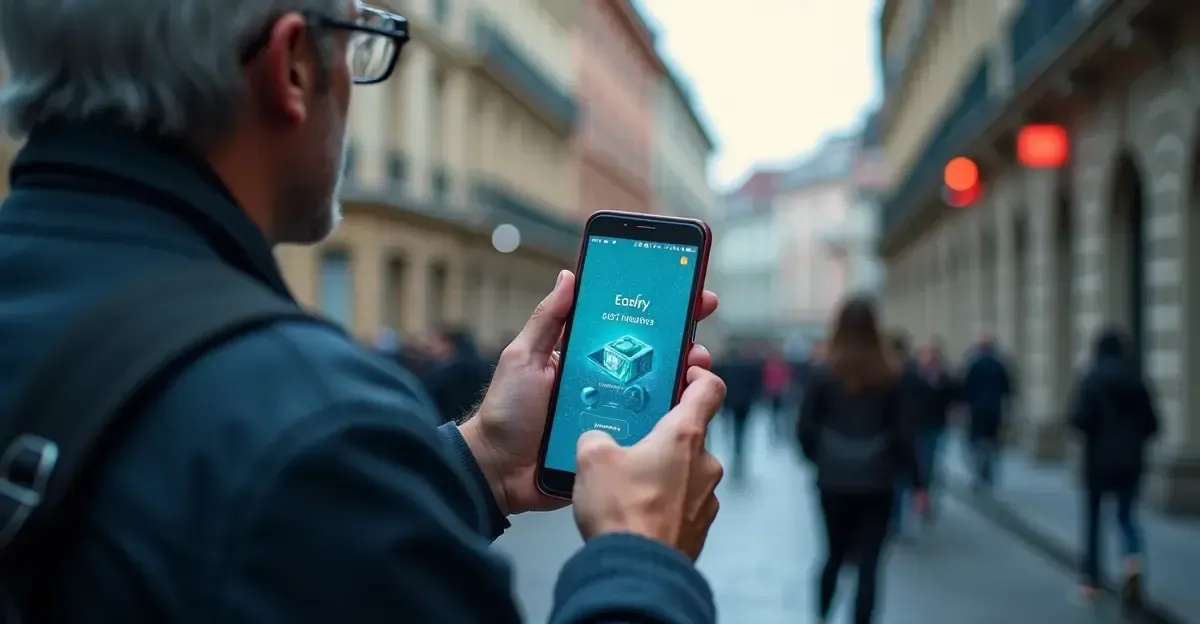
The transformation is visible everywhere - from coffee shops to public transportation. 'I haven't carried cash in three years,' says Stockholm resident Erik Johansson. 'Everything from buying groceries to splitting restaurant bills happens instantly through my phone.' This shift accelerated dramatically during the COVID-19 pandemic, when contactless payments became both convenient and essential for public health.
Global Race to Go Cashless
While Sweden leads the pack, several other countries are making significant strides toward cashless societies. Norway follows closely with similar digital payment adoption rates, while South Korea and Finland project becoming cash-free by 2029. China has achieved remarkable progress with widespread QR code payment adoption, and Hong Kong has introduced innovative digital payment incentives including $36 billion in 'consumption vouchers.'
Research shows that the benefits driving this global trend include convenience, lower crime rates, decreased money laundering opportunities, time savings, and health benefits from reduced germ transmission through physical currency.
Challenges and Concerns
Despite the momentum, the transition to cashless societies faces significant hurdles. Research published in Springer highlights how elderly populations and other vulnerable groups risk being left behind. 'My 82-year-old mother struggles with technology,' shares Malmö resident Sofia Berg. 'She feels increasingly isolated in a world where cash is becoming obsolete.'
Security concerns have also emerged as a major issue. Sweden experienced a 44% surge in bank card fraud between 2022-2023, raising questions about the resilience of digital payment systems. Privacy advocates warn about the extensive digital paper trails created by every transaction, while cybersecurity experts point to the risks of system-wide failures during emergencies.
The Future of Money
Looking ahead to 2025 and beyond, the trend toward cashless societies appears unstoppable. Industry analysis suggests that while no country will be completely cash-free in the immediate future, the direction is clear. The Swedish central bank is already developing an E-Krona digital currency to reduce dependency on private banking systems while ensuring financial inclusion.
'We're not eliminating cash entirely, but we're creating a system where digital payments are the default,' explains Riksbank spokesperson Maria Lundgren. 'The key is ensuring everyone can participate safely and confidently in this new financial landscape.'
As countries worldwide watch Sweden's experiment, the lessons learned will shape global financial systems for generations to come. The race to become the first fully cashless nation continues, but the ultimate goal remains creating inclusive, secure, and efficient payment systems that serve all citizens.





Follow Discussion