Urban Forests: How Cities Are Rewilding Public Spaces

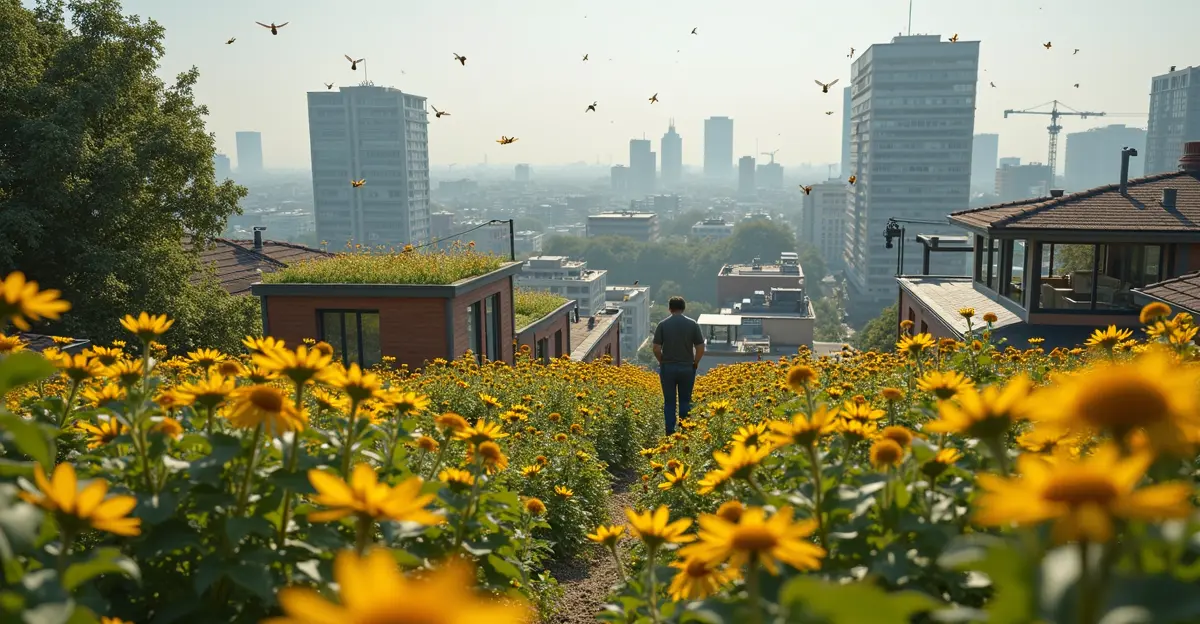
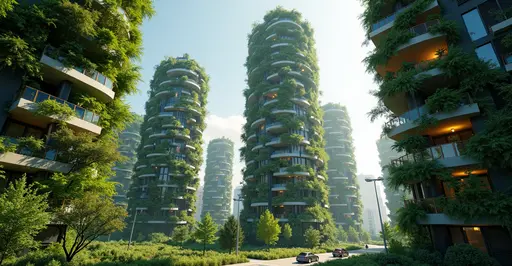
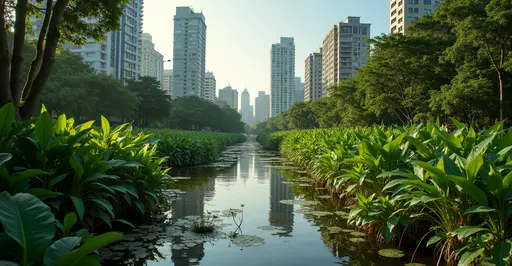
Cities worldwide are embracing urban forests to combat climate change, enhance biodiversity, and improve public health. Initiatives like tree planting and wetland restoration are transforming urban spaces, supported by public-private partnerships.

Urban Forests: How Cities Are Rewilding Public Spaces
Share
Edition: EN

Urban Forests: How Cities Are Rewilding Public Spaces

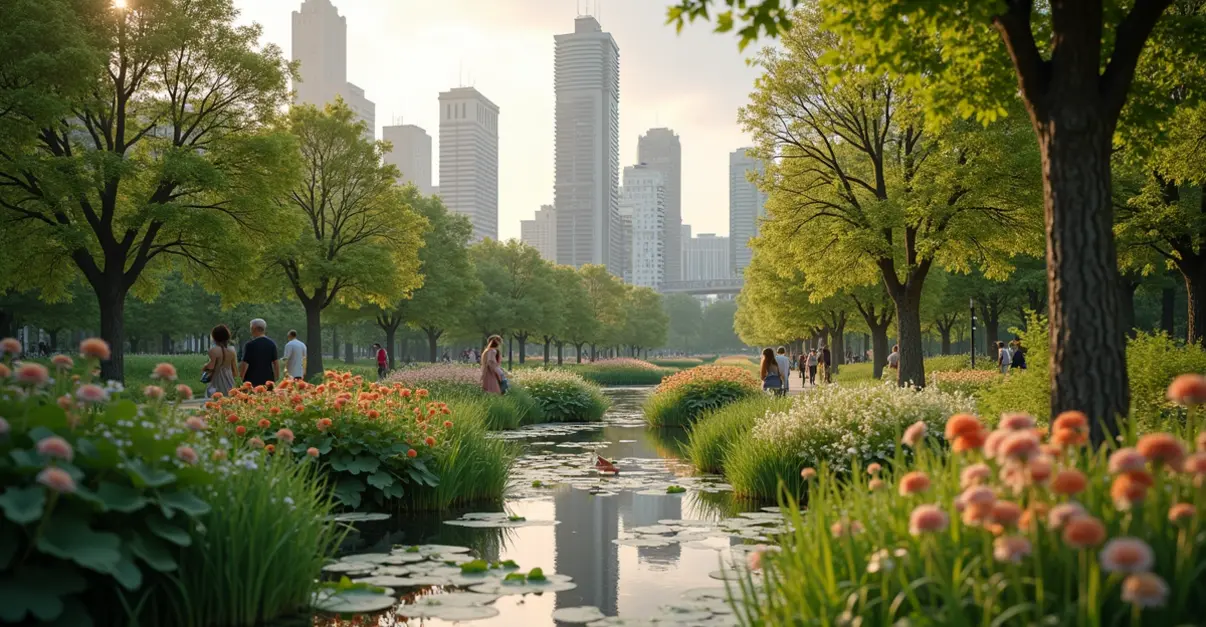
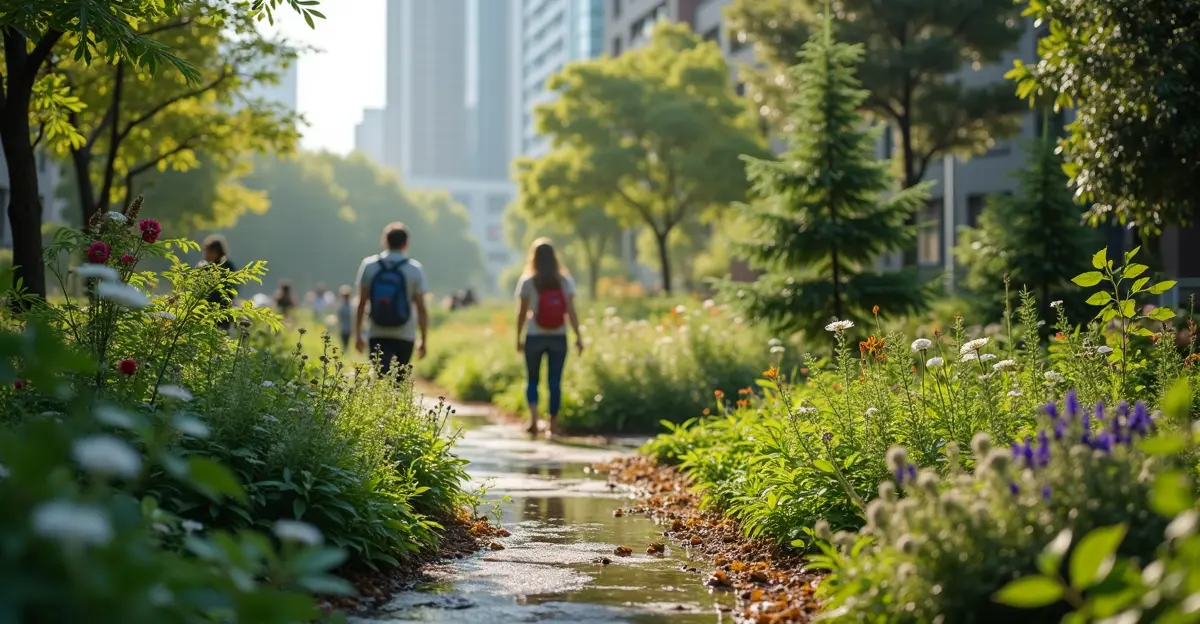
Urban forests are transforming cities into greener, more resilient, and biodiverse spaces. From San Francisco to Durban, cities are planting native species, restoring wetlands, and combating urban heat islands. These efforts are not just about beautification—they are strategic moves to enhance climate resilience, public health, and economic vitality.

The Rise of Urban Forests

Urban forests, collections of trees and woody vegetation within cities, play a critical role in moderating climate, improving air quality, and providing recreational spaces. Cities like Johannesburg and Rio de Janeiro are leading examples, with vast urban forests that counteract the heat island effect and support biodiversity.

Benefits of Urban Rewilding

Rewilding urban spaces offers numerous benefits:

  • Climate Mitigation: Trees absorb CO2 and reduce urban temperatures.
  • Biodiversity: Native species attract pollinators and wildlife.
  • Public Health: Green spaces improve mental and physical wellbeing.
  • Economic Gains: Urban forests boost property values and reduce energy costs.

Global Initiatives

San Francisco has pledged to plant 30,000 street trees, while Durban uses nature-based flood defenses. Companies like Salesforce and Mastercard are investing in urban greening, aligning corporate sustainability goals with local impact.

The Future of Urban Forests

As cities grow, integrating nature into urban planning is essential. Public-private partnerships and community engagement are key to scaling these efforts. The goal is clear: create cities where nature and people thrive together.
Closely related

Urban Nature Projects Boost City Biodiversity
Nature
Nature
Closely related

Urban Nature Projects Boost City Biodiversity

Urban nature projects using green corridors, rooftop gardens, and native planting are significantly boosting city...

Urban Rewilding Transforms Latin American City Centers
Environment
Environment
Closely related

Urban Rewilding Transforms Latin American City Centers

Latin American cities are restoring native ecosystems through urban rewilding projects, creating biodiversity...

Bee-Friendly Cities Transform Urban Landscapes with Rooftop Gardens
Environment
Environment
Closely related

Bee-Friendly Cities Transform Urban Landscapes with Rooftop Gardens

Cities worldwide are transforming rooftops into pollinator sanctuaries through bee-friendly urban design, creating...

Tiny Forest Movement Transforms Urban Biodiversity Worldwide
Environment
Environment
Closely related

Tiny Forest Movement Transforms Urban Biodiversity Worldwide

The Tiny Forest movement, using Japanese Miyawaki methods, creates fast-growing native ecosystems in urban spaces....

Urban Vertical Forest Projects Expand Globally in 2025
Environment
Environment
Closely related

Urban Vertical Forest Projects Expand Globally in 2025

Urban vertical forest projects are expanding globally in 2025, with innovative architectural designs integrating...

Synthetic Biology Cities: Urban Futures Built on Bioengineering
Innovation
Innovation
Closely related

Synthetic Biology Cities: Urban Futures Built on Bioengineering

Synthetic biology cities use bioengineered organisms for urban sustainability, tackling pollution and resource...