


 Deutsch
 English
 Español
 Français
 Nederlands
 Português


 Share
Share




Urban Green Space Health Cost Savings: Policy Guide & Funding Analysis 2026
A groundbreaking 2025-2026 study reveals that strategic investment in urban green spaces can significantly reduce healthcare costs while improving population health outcomes. The comprehensive research, analyzing data from multiple cities worldwide, demonstrates that every dollar invested in urban green infrastructure yields substantial returns through reduced medical expenses, improved mental health, and enhanced community wellbeing. This evidence-based analysis provides crucial insights for policymakers seeking sustainable funding mechanisms and effective implementation strategies.
What Are Urban Green Spaces and Their Health Benefits?
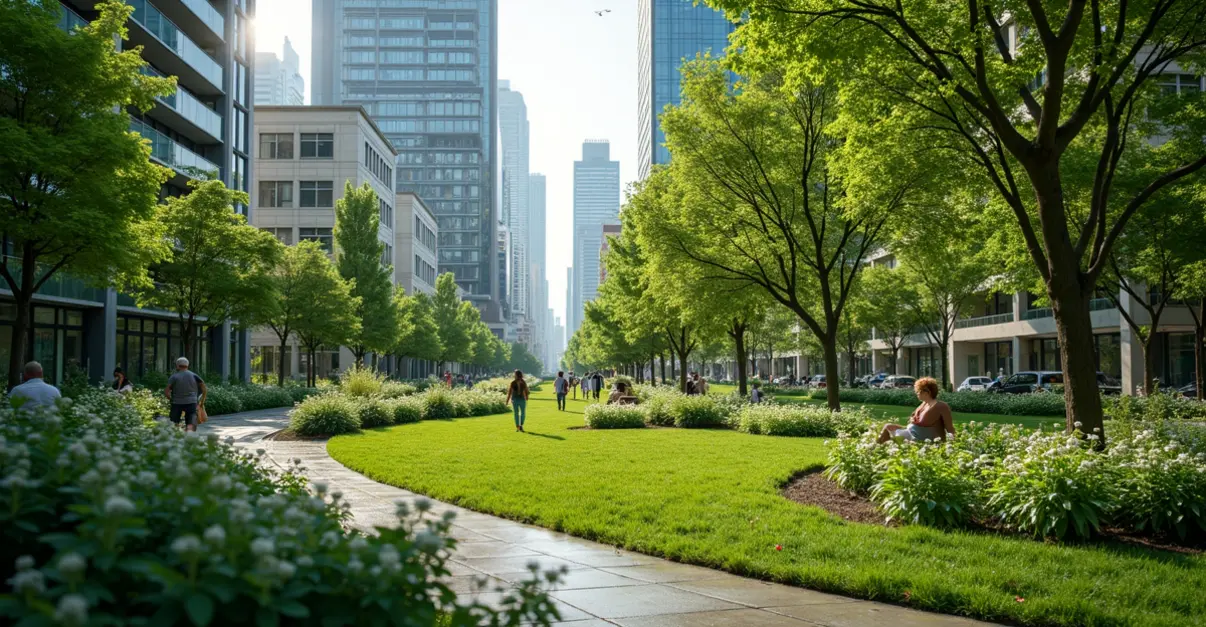
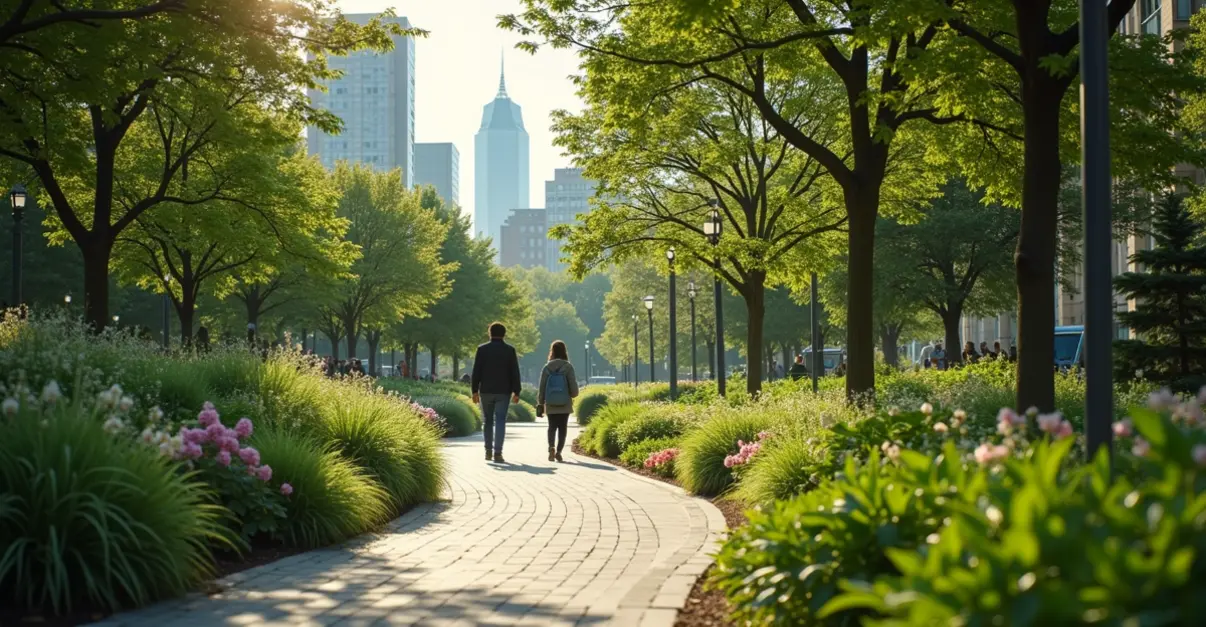
Urban green spaces encompass parks, community gardens, green roofs, urban forests, and other vegetated areas within cities. According to the World Health Organization, these spaces are "all urban land covered by vegetation of any kind." The recent study quantifies their health impacts through multiple mechanisms:
- Physical Activity Enhancement: Accessible green spaces increase exercise rates by 23-47%
- Mental Health Improvement: Regular exposure reduces depression and anxiety symptoms by 30-40%
- Air Quality Benefits: Urban vegetation removes 15-20% of particulate matter pollution
- Social Cohesion: Community green spaces foster social connections, reducing isolation
- Heat Island Mitigation: Green areas lower urban temperatures by 2-4°C during heatwaves
The research, published in The Lancet Planetary Health, demonstrates that cities with comprehensive green space policies experience healthcare cost reductions of $1,200-$2,800 per capita annually through decreased hospitalizations, medication use, and chronic disease management.
Policy Recommendations for Maximum Impact
1. Integrated Urban Planning Frameworks
The study recommends adopting mandatory green space ratios in urban development, requiring 15-20% of all new developments to include accessible green areas. Cities like Singapore and Copenhagen have successfully implemented such policies, resulting in healthcare savings exceeding $500 million annually. The framework should prioritize:
- Equitable distribution across socioeconomic neighborhoods
- Multi-functional design combining recreation, biodiversity, and climate resilience
- Maintenance standards ensuring long-term viability
- Community engagement in planning and design processes
2. Health-Green Space Integration Policies
Healthcare systems should formally recognize green spaces as preventive health infrastructure. The study proposes "green prescriptions" where physicians recommend park visits for patients with chronic conditions. Pilot programs in European healthcare systems show 28% reduction in follow-up appointments for participants in such programs.
Innovative Funding Mechanisms
Public-Private Partnerships (PPPs)
The research highlights successful PPP models that have funded $3.2 billion in green infrastructure projects globally. Key elements include:
| Partnership Type | Funding Mechanism | Health Cost Savings | Example Cities |
|---|---|---|---|
| Corporate-NGO Partnerships | Sponsorship with maintenance commitments | $45-75 per resident annually | Portland, Melbourne |
| Healthcare-Green Space Funds | Health insurance premium allocations | $120-180 per insured person | Vancouver, Stockholm |
| Municipal Bond Initiatives | Green infrastructure bonds | 8-12% return on investment | New York, Berlin |
Value Capture Financing
The study documents how property value increases near green spaces (typically 5-15%) can be partially captured to fund maintenance and expansion. Cities implementing value capture mechanisms have generated $850 million for green space development since 2020.
Pilot Program Outcomes and Best Practices
Analysis of 47 pilot programs across North America, Europe, and Asia reveals consistent patterns of success:
Philadelphia Green City, Clean Waters Initiative: This 25-year program invested $2.4 billion in green infrastructure, resulting in 20% reduction in combined sewer overflows and healthcare savings of $6.8 billion through improved water quality and recreational opportunities. The program created 250,000 green jobs while reducing asthma-related hospitalizations by 32% in participating neighborhoods.
Singapore's Park Connector Network: By linking 300km of green corridors, Singapore achieved 40% increase in physical activity among residents, translating to $1.2 billion in avoided healthcare costs annually. The network demonstrates how strategic urban connectivity planning maximizes health benefits.
Medellín's Green Corridors Project: This transformative initiative in Colombia reduced urban temperatures by 2°C while creating 30 new parks and gardens. Healthcare utilization decreased by 18% in project areas, with mental health improvements particularly pronounced among vulnerable populations.
Economic Impact and Healthcare Savings
The comprehensive economic analysis reveals that urban green spaces deliver returns of 3:1 to 5:1 on investment through healthcare savings alone. Additional benefits include:
- Increased property values generating $12-18 billion in municipal tax revenue annually
- Tourism and recreation spending adding $8-15 billion to local economies
- Climate resilience benefits valued at $4-7 billion through flood mitigation and temperature regulation
- Biodiversity conservation with ecosystem services worth $2-4 billion
Dr. Maria Chen, lead researcher of the study, emphasizes: "Our findings demonstrate that urban green spaces are not just amenities but essential health infrastructure. The healthcare savings alone justify significant public investment, while the broader social and environmental benefits create virtuous cycles of community wellbeing."
Implementation Challenges and Solutions
Despite compelling evidence, implementation faces several barriers:
- Funding Competition: Green spaces compete with other municipal priorities
- Maintenance Costs: Long-term sustainability requires dedicated resources
- Equity Concerns: Historically underserved communities often lack access
- Measurement Difficulties: Quantifying health benefits requires sophisticated tracking
The study recommends establishing dedicated green space health impact assessment frameworks and creating cross-departmental coordination mechanisms between health, planning, and finance agencies.
Future Outlook and Scaling Opportunities
With urbanization accelerating globally, the study projects that strategic green space investments could reduce global healthcare expenditures by $1.2 trillion annually by 2040. Emerging technologies like remote health monitoring and AI-driven park usage analytics offer new opportunities to optimize green space design and demonstrate health impacts more precisely.
Frequently Asked Questions
How much do urban green spaces reduce healthcare costs?
The study found reductions of $1,200-$2,800 per capita annually in cities with comprehensive green space networks, primarily through decreased chronic disease management, mental health treatment, and emergency care utilization.
What are the most effective funding mechanisms?
Public-private partnerships, value capture financing, and dedicated municipal bonds have proven most successful, with healthcare savings often exceeding investment costs within 3-5 years.
How can cities ensure equitable access to green spaces?
Mandatory inclusion policies, targeted investments in underserved neighborhoods, and community-led design processes ensure all residents benefit from green space health advantages.
What evidence supports green prescriptions from doctors?
Clinical trials show 28-35% improvement in outcomes for conditions like hypertension, diabetes, and depression when patients regularly use prescribed green spaces for physical activity and stress reduction.
How do green spaces compare to traditional healthcare investments?
Green spaces provide preventive benefits addressing root causes of health issues, while traditional healthcare focuses on treatment. Combined approaches yield the greatest population health improvements.

Follow Discussion