


 Deutsch
 English
 Español
 Français
 Nederlands
 Português


 Share
Share




Storm Drain Upgrade Project Commences: A Comprehensive Analysis
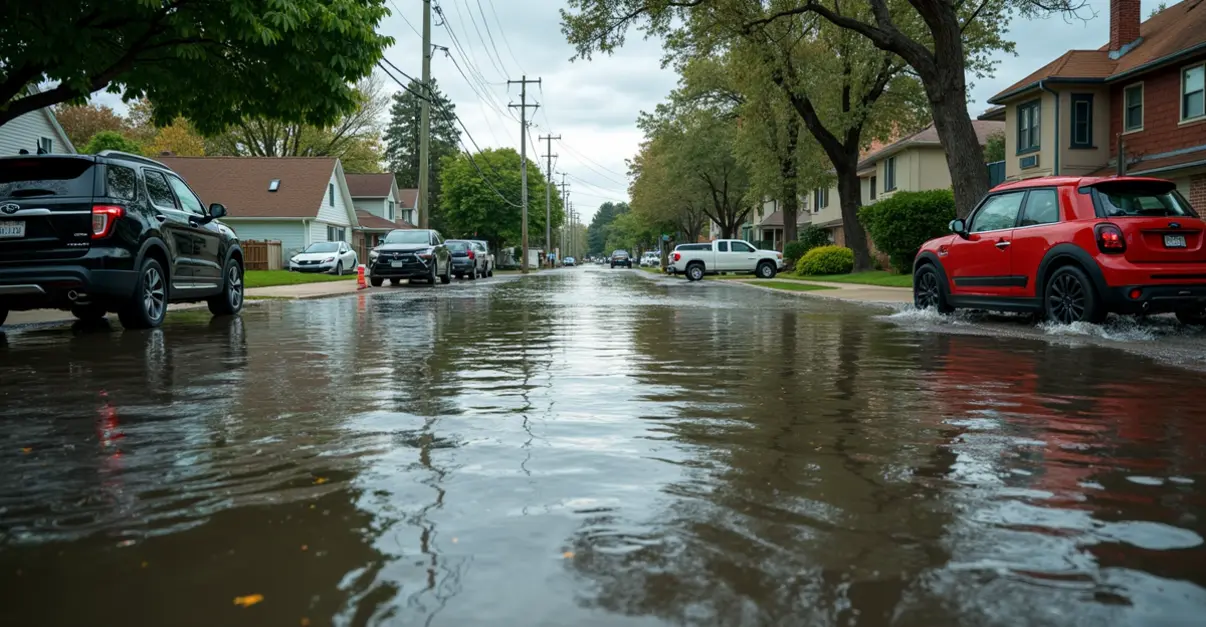
Major storm drain upgrade projects are transforming urban infrastructure across North America in 2025-2026, with cities investing billions to address aging systems and climate resilience. These critical infrastructure initiatives aim to reduce flooding risks, enhance water management, and protect communities from increasingly severe weather events. The urban flood resilience movement has gained momentum following the 2025 Shaw Forum, which highlighted that flood hazards contributed to nearly $2 trillion in economic losses in 2024 alone.
What Are Storm Drain Upgrade Projects?
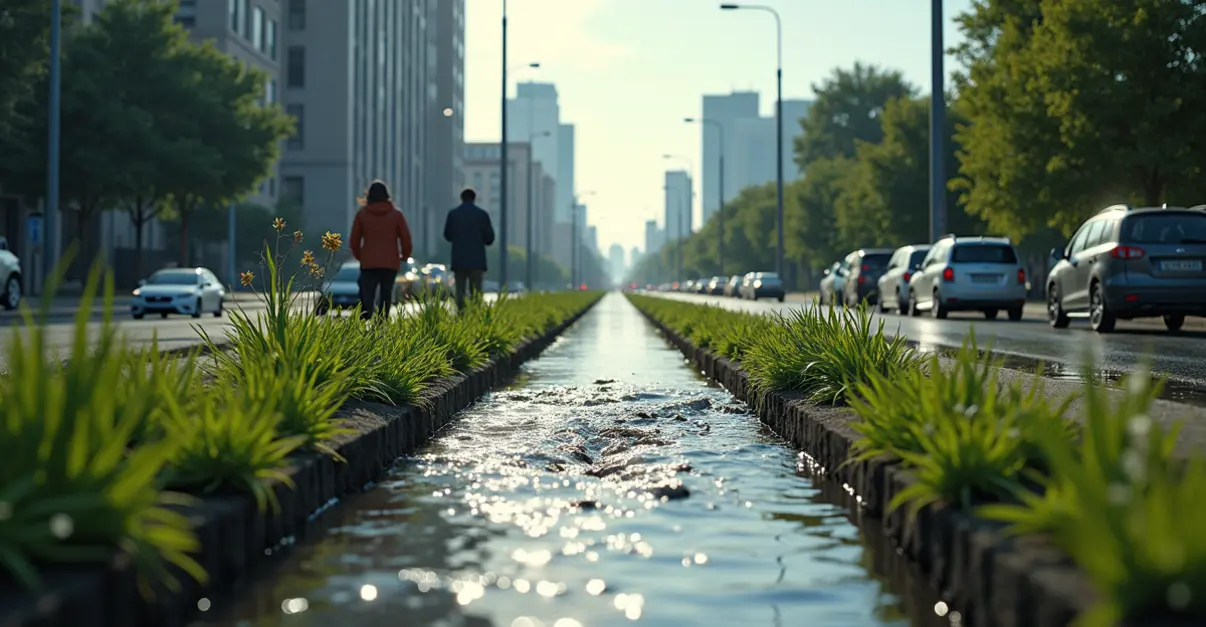
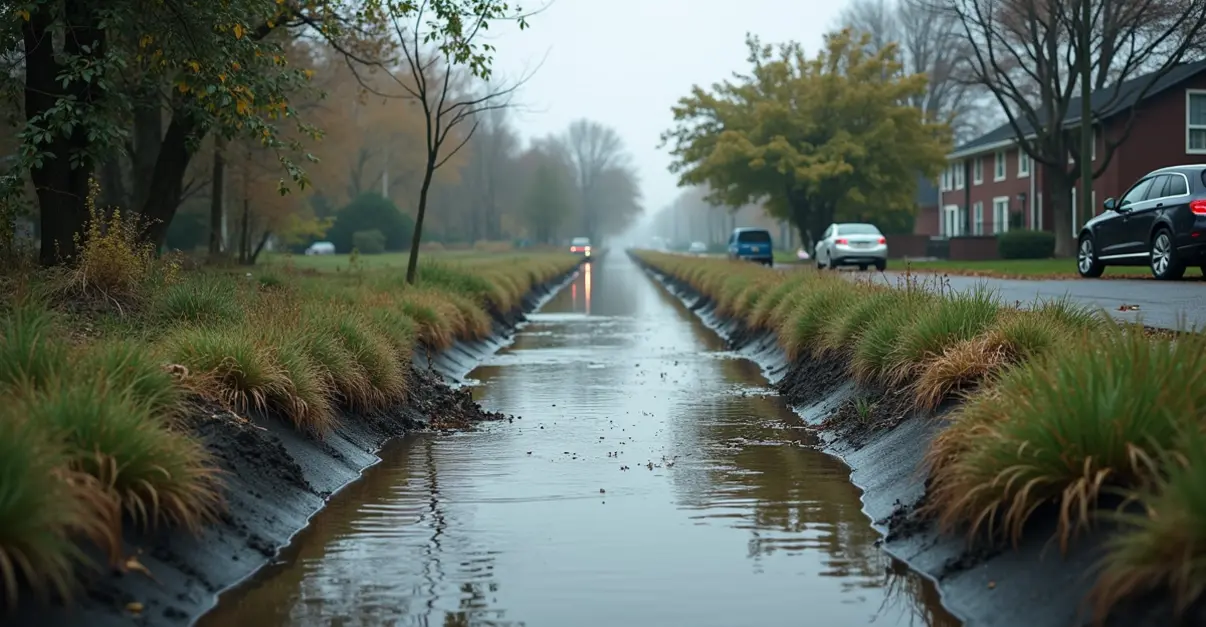
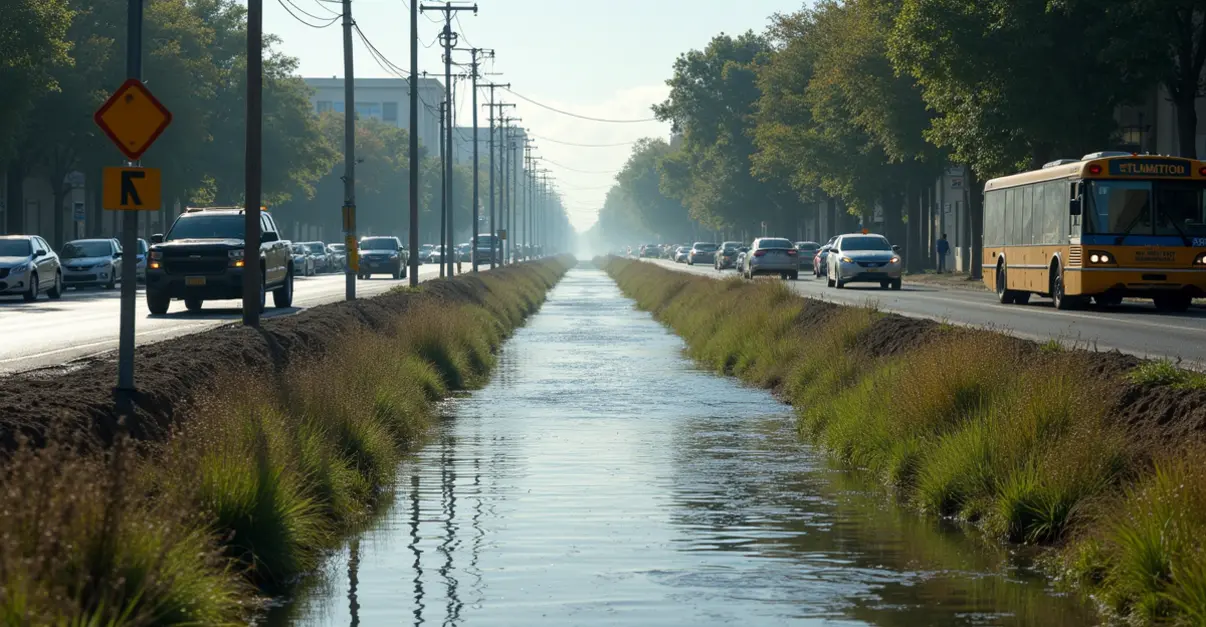
Storm drain upgrade projects involve modernizing municipal drainage systems to handle increased precipitation volumes and improve water quality management. These initiatives typically replace aging pipes, expand capacity, and incorporate green infrastructure elements like bioswales, permeable pavements, and rain gardens. The transition from traditional gray infrastructure to integrated blue-green systems represents a fundamental shift in how cities approach water management and climate adaptation.
Contracting Timeline and Project Phases
Major storm drain upgrades follow structured timelines spanning 18-36 months, with the San Diego Hillcrest project serving as a current case study. The $7 million initiative began in April 2025 and is scheduled for completion in October 2026, representing a typical 18-month construction window for medium-scale urban projects.
Key Project Phases:
- Planning and Design (Months 1-6): Engineering assessments, environmental reviews, and community consultations
- Contract Award (Month 7): Competitive bidding processes and contractor selection
- Construction Phase 1 (Months 8-12): Initial excavation, pipe installation, and traffic management implementation
- Construction Phase 2 (Months 13-18): System integration, green infrastructure installation, and surface restoration
- Testing and Commissioning (Months 19-20): System validation, performance testing, and final inspections
According to the 2025 Shaw Forum findings, data-driven approaches are essential for prioritizing investments, with cities using advanced modeling to identify high-impact locations for infrastructure upgrades.
Community Impacts and Mitigation Strategies
The economic and social impacts on local communities represent significant challenges for storm drain upgrade projects. The Hillcrest case demonstrates severe consequences, with businesses reporting 20-50% revenue declines during construction and parking reductions of up to 68% on weekends.
Common Community Impacts:
- Economic Disruption: Local businesses face revenue losses averaging 30-40% during peak construction phases
- Accessibility Challenges: Reduced parking, pedestrian barriers, and traffic detours affect daily routines
- Noise and Air Quality: Construction activities generate noise pollution and dust emissions
- Aesthetic Concerns: Temporary construction zones alter neighborhood character and visual appeal
Effective mitigation strategies include temporary parking solutions, business support programs, and phased construction scheduling. The Hillcrest Business Association's 'Hillcrest Strong' campaign exemplifies community-led responses, encouraging online ordering, gift card purchases, and off-peak visits to support local establishments.
Resilience Targets and Performance Metrics
Modern storm drain projects establish specific resilience targets aligned with climate adaptation goals. The 2025 study published in ScienceDirect emphasizes the importance of integrating stormwater management with emission reduction policies for synergistic co-benefits.
Key Resilience Targets:
| Target Category | Performance Metric | Industry Standard |
|---|---|---|
| Flood Reduction | Peak flow reduction during 100-year storm events | 40-60% improvement | Water Quality | Pollutant removal efficiency for common contaminants | 80-90% removal rate |
| System Capacity | Increased drainage volume handling capability | 50-100% expansion |
| Climate Adaptation | Design criteria for future precipitation increases | 20-30% climate buffer |
| Community Benefits | Green space creation and recreational value | Multi-functional design |
The transition to 'safe-to-fail' designs rather than traditional 'fail-safe' approaches represents a paradigm shift in infrastructure planning, acknowledging that extreme events may exceed design capacities while minimizing catastrophic consequences.
Funding and Economic Considerations
Storm drain upgrades require substantial investment, with funding mechanisms evolving to address climate resilience needs. The green infrastructure financing landscape includes municipal bonds, federal grants, stormwater fees, and public-private partnerships. The 2025 Shaw Forum highlighted innovative approaches like Washington D.C.'s Stormwater Retention Credit trading program as successful models for financing urban flood resilience.
Economic analysis reveals compelling returns on investment, with every dollar spent on flood prevention saving an estimated $6 in future disaster recovery costs. However, the immediate economic impacts on local businesses during construction phases present significant challenges that require proactive mitigation and compensation strategies.
Expert Perspectives on Infrastructure Transformation
Infrastructure experts emphasize the urgency of upgrading aging stormwater systems. 'The cost of inaction far exceeds the investment required for modernization,' notes Dr. Elena Rodriguez, a civil engineering professor specializing in water infrastructure. 'Cities must balance immediate construction impacts with long-term resilience benefits, recognizing that climate change is accelerating the need for these upgrades.'
The FEMA Resilience Analysis and Planning Tool (RAPT) provides critical data support for these projects, offering over 100 preloaded data layers covering population, infrastructure, and hazard risks to inform evidence-based decision making.
Frequently Asked Questions (FAQ)
How long do storm drain upgrade projects typically take?
Most urban storm drain upgrades require 18-36 months from planning to completion, with construction phases typically spanning 12-24 months depending on project scale and complexity.
What are the main benefits of green stormwater infrastructure?
Green infrastructure provides multiple co-benefits including flood reduction, improved water quality, enhanced biodiversity, urban cooling effects, recreational opportunities, and increased property values.
How can communities minimize business impacts during construction?
Effective strategies include phased construction scheduling, temporary parking solutions, business support programs, clear communication channels, and financial assistance for affected establishments.
What funding sources are available for storm drain upgrades?
Funding mechanisms include municipal bonds, federal and state grants, stormwater utility fees, public-private partnerships, climate resilience funds, and innovative financing tools like stormwater credit trading programs.
How do upgraded systems address climate change impacts?
Modern designs incorporate climate projections, increased capacity buffers, adaptive management frameworks, and nature-based solutions to handle more intense and frequent precipitation events expected with climate change.
Future Outlook and Conclusion
The storm drain upgrade movement represents a critical component of urban climate adaptation strategies. As cities face increasing precipitation extremes and aging infrastructure challenges, these projects will become more frequent and comprehensive. The successful implementation requires balancing technical requirements with community needs, ensuring that resilience gains don't come at unacceptable social or economic costs.
The lessons from current projects will inform future initiatives, with data sharing and best practice dissemination accelerating innovation across municipalities. The ultimate goal remains creating sustainable, resilient urban environments that protect communities while enhancing quality of life for all residents.
Follow Discussion