


 Deutsch
 English
 Español
 Français
 Nederlands
 Português


 Share
Share




Municipal Storm Drain Upgrade Project Approved After Floods
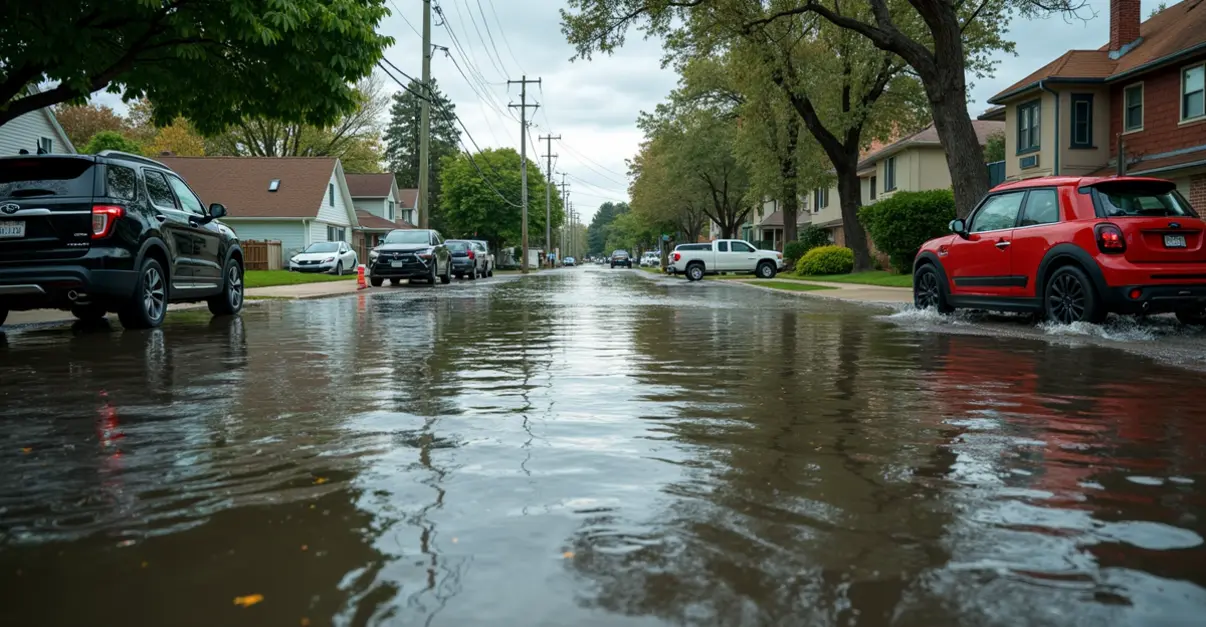
In a decisive move to address growing flood risks, city officials have approved a comprehensive $45 million storm drain upgrade project following devastating floods that inundated neighborhoods last spring. The approval comes after months of planning and community consultation, with construction set to begin in early 2026 and completion targeted for late 2028.
Contract Awards and Timeline
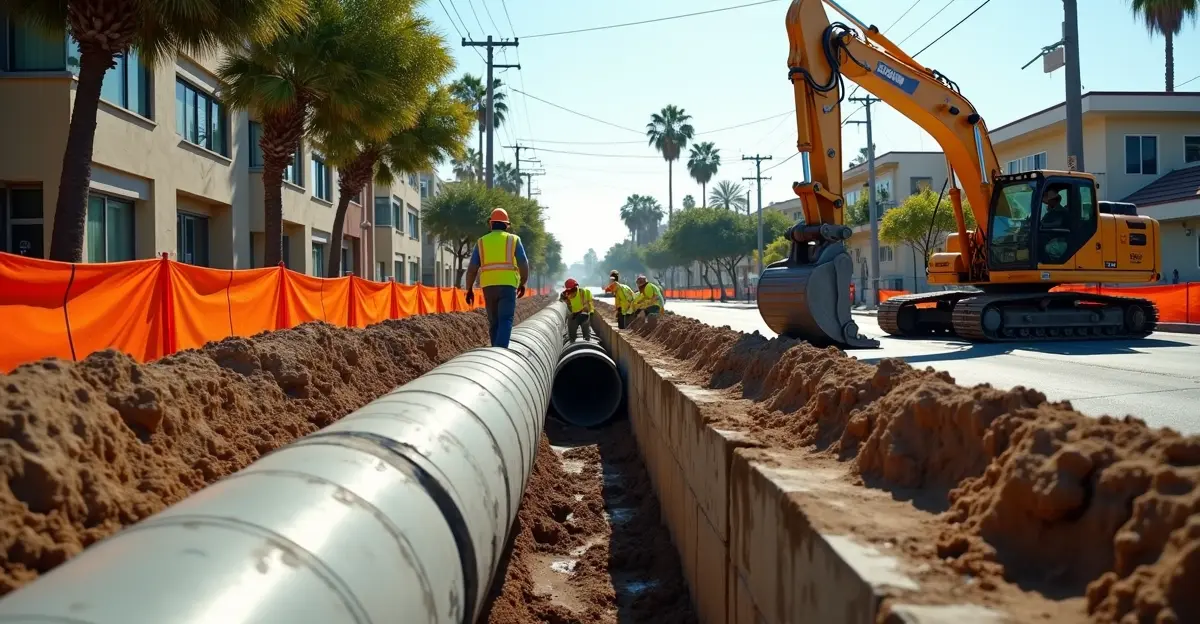
The municipal government has awarded the primary construction contract to InfraBuild Solutions, a national firm specializing in resilient infrastructure projects. The three-phase project will replace aging stormwater systems dating back to the 1960s with modern, high-capacity drainage infrastructure designed to handle 100-year storm events.
'This isn't just about fixing pipes—it's about building a resilient future for our community,' said Mayor Sarah Chen during the announcement ceremony. 'The devastating floods we experienced last year showed us that our current infrastructure simply can't handle the new climate reality.'
The project timeline includes:
- Phase 1 (2026): Replacement of primary trunk lines in flood-prone areas
- Phase 2 (2027): Installation of smart monitoring systems and green infrastructure
- Phase 3 (2028): Completion of secondary networks and community resilience features
Community Impact and Funding
The project will directly benefit approximately 15,000 residents in flood-vulnerable neighborhoods, with particular focus on low-lying areas that experienced up to 4 feet of standing water during last year's storms. Funding comes from a combination of federal grants, including FEMA's Flood Mitigation Assistance program, state resilience funds, and municipal bonds approved by voters in a special election last fall.
'We've been waiting for this for years,' said Maria Rodriguez, a resident whose home was flooded twice in the past three years. 'Every time it rains heavily, we're terrified. This project gives us hope that our children won't have to experience what we went through.'
The city has established a Community Advisory Committee to ensure resident input throughout the construction process, with regular town hall meetings scheduled to address concerns about construction disruptions and temporary drainage solutions during the upgrade period.
Resilience Gains and Environmental Benefits
Beyond immediate flood protection, the upgraded system incorporates several innovative features designed to enhance long-term resilience. These include:
- Smart sensors that provide real-time water level monitoring and early warning capabilities
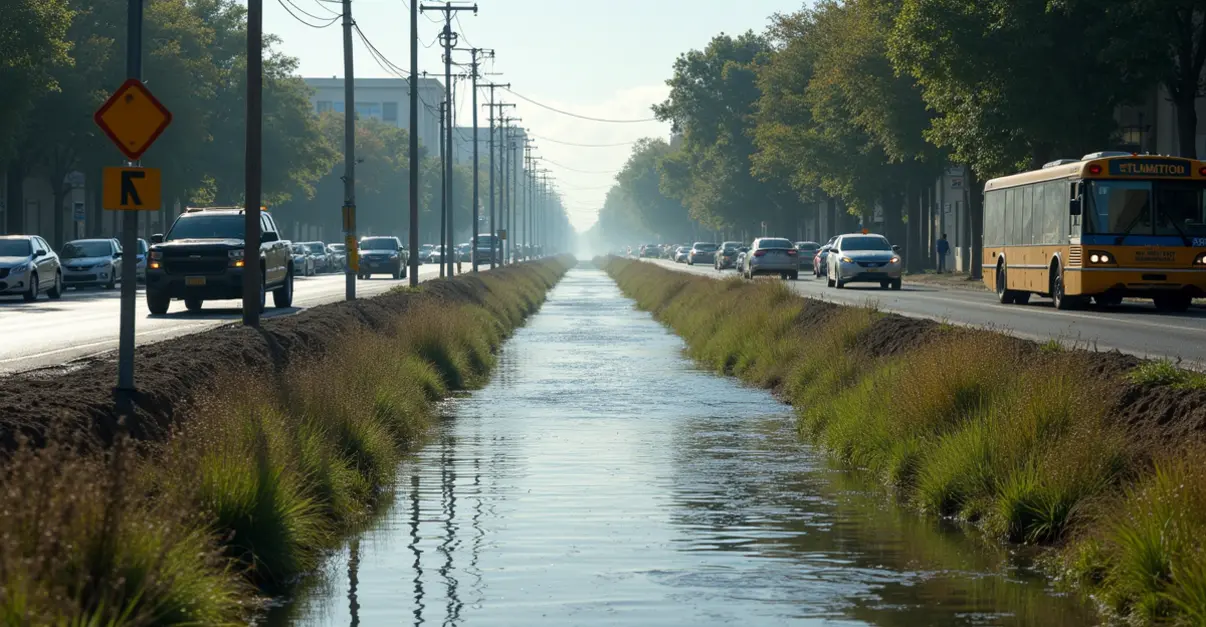
- Green infrastructure elements like bioswales and permeable pavements to reduce runoff
- Increased capacity to handle projected increases in precipitation due to climate change
- Integration with the city's emergency management systems for coordinated response
The project aligns with recommendations from the EPA's Long-Term Stormwater Planning Guide and incorporates best practices from successful resilience projects nationwide. Environmental benefits include improved water quality through better filtration and reduced combined sewer overflows during heavy rainfall events.
Broader Context and Future Planning
This approval comes at a critical time for municipal infrastructure nationwide. According to the National League of Cities, $50 billion from the Infrastructure Investment and Jobs Act continues to be available through State Revolving Funds, with peak funding in FY25-26. Many communities are racing to upgrade aging systems before funding windows close.
'What we're seeing here is part of a larger trend of cities taking proactive measures against climate impacts,' explained Dr. James Wilson, an urban resilience expert at the University of California. 'The traditional approach of reacting to disasters is being replaced by strategic investments in prevention and adaptation.'
The city plans to use this project as a model for future infrastructure upgrades, with additional phases already in preliminary planning for other vulnerable areas. Officials estimate the project will prevent approximately $120 million in potential flood damage over the next 20 years, making it both a safety imperative and a sound financial investment.
As construction preparations begin, residents are cautiously optimistic. 'It's going to be disruptive, no question,' said local business owner Tom Henderson. 'But if it means my shop doesn't get flooded again, it's worth every day of construction noise and traffic delays.'


Follow Discussion