Nederlands
 English
 Deutsch
 Français
 Español
 Português





Major Infrastructure Investment Approved Following Severe Floods
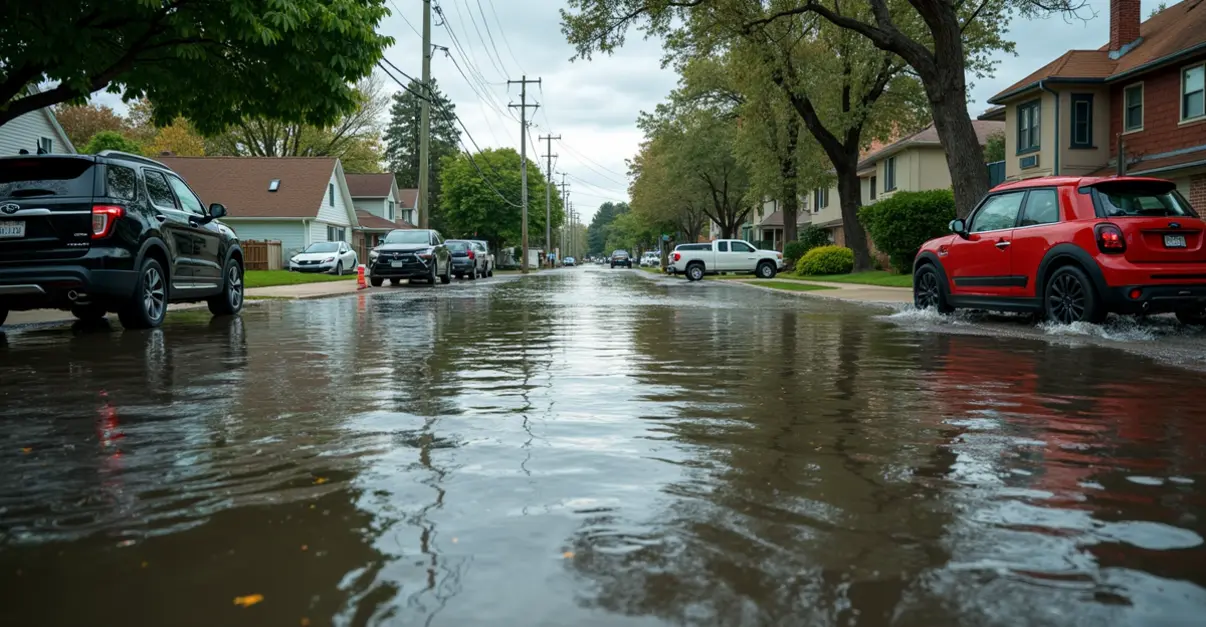
In a decisive move to address persistent flooding issues, city commissioners have approved a $1.58 million storm drain project that promises to transform the community's resilience against extreme weather events. The approval comes after years of planning and community advocacy, with the contract awarded to United Materials for the South Great Falls Storm Drain Middle Basin project.
'This isn't just about fixing pipes—it's about protecting our homes, our businesses, and our future,' said Mayor Sarah Johnson during the announcement. 'After what we experienced last year, we can't afford to wait any longer.'
Project Timeline and Contract Details
The project, scheduled to begin in early 2025 with completion expected by late 2026, involves installing 36-inch to 48-inch storm drain pipe connecting existing infrastructure between 10th Street South near 24th Avenue South and 6th Street South near 30th Avenue South. The $1,581,695.80 contract represents one of five remaining projects from a comprehensive 2012 study that identified critical infrastructure needs.
According to the original reporting, the work will capture stormwater flows from a Great Falls Public Schools parcel and surrounding areas, ultimately draining into the Missouri River. The project is funded through the city's storm enterprise fund, which consists of user fees collected specifically for infrastructure maintenance and improvements.
Community Benefits and Resilience Gains
The project addresses long-standing flooding concerns that have plagued the area for decades. 'We've had businesses close their doors after repeated flood damage, and homeowners have faced insurance nightmares,' explained community organizer Marcus Rodriguez. 'This investment represents hope for our neighborhood's economic stability.'
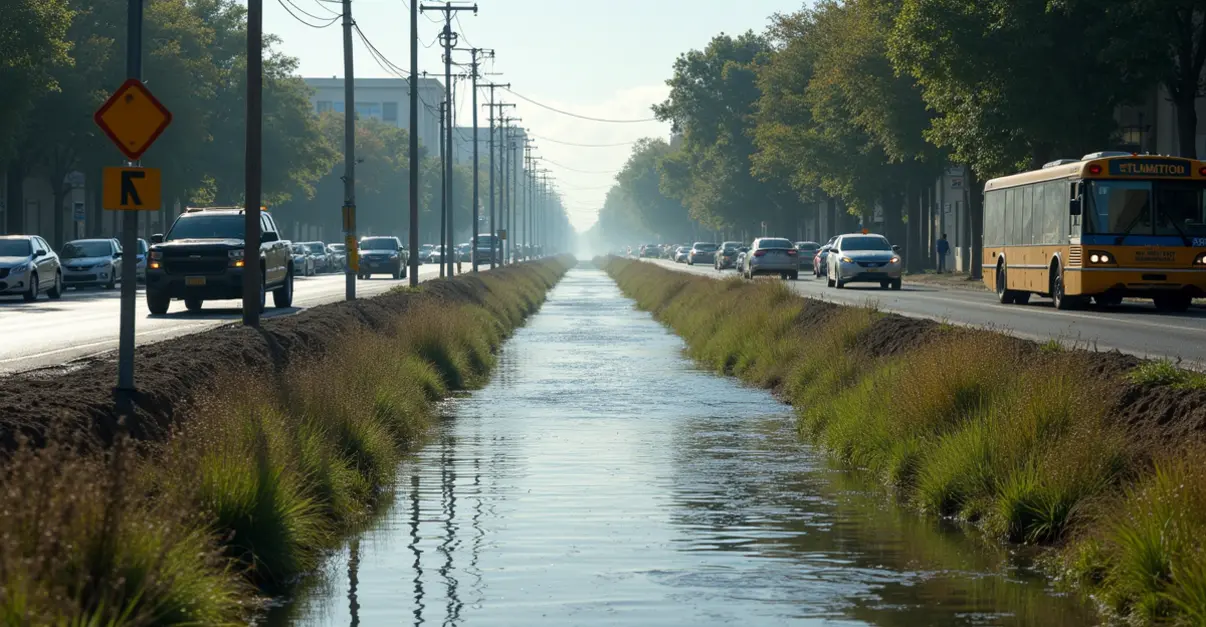
Beyond immediate flood protection, the project incorporates green infrastructure elements that will improve water quality and create urban green spaces. The design includes water quality basins at strategic locations and low-flow diversion systems to redirect runoff to existing sewers, reducing the burden on the municipal water treatment system.
The Flood Mitigation Assistance Program administered by FEMA provides crucial context for such projects, emphasizing cost-effective solutions with benefit-cost ratios of 1.0 or higher. This project meets those criteria by preventing repetitive flood damage to properties covered by the National Flood Insurance Program.
Broader Context of Municipal Infrastructure
This approval comes at a critical time for municipal infrastructure across the United States. The Municipal Infrastructure Conditions Report 2025 highlights the growing challenges facing local governments as aging systems require replacement and climate change intensifies weather patterns.
'What we're seeing is a paradigm shift in how cities approach stormwater management,' noted Dr. Evelyn Chen, an urban infrastructure expert at the University of California. 'It's no longer just about moving water away quickly—it's about managing it as a resource while protecting communities.'
The project aligns with broader trends in climate resilience planning. Florida's Resilient Florida Annual Plan for 2025-2026 demonstrates how states are developing comprehensive strategies to address climate change impacts through coordinated planning and investment.
Implementation Challenges and Opportunities
While the approval marks a significant milestone, implementation will present challenges. The project will require careful coordination with existing utilities, traffic management during construction, and community engagement to minimize disruptions.
'We're committed to transparent communication throughout this process,' promised Public Works Director Robert Thompson. 'Residents will receive regular updates, and we've established a dedicated hotline for questions and concerns.'
The project also creates economic opportunities, with local hiring requirements ensuring that at least 30% of the workforce comes from the community. This approach not only addresses infrastructure needs but also stimulates local economic development.
As climate change increases the frequency and intensity of extreme weather events, investments like this storm drain project become increasingly critical. The approval represents a proactive approach to community protection that other municipalities are likely to emulate as they confront similar challenges.