


 Deutsch
 English
 Español
 Français
 Nederlands
 Português


 Share
Share




Landmark Direct Air Capture Offtake Deal Reshapes Carbon Markets
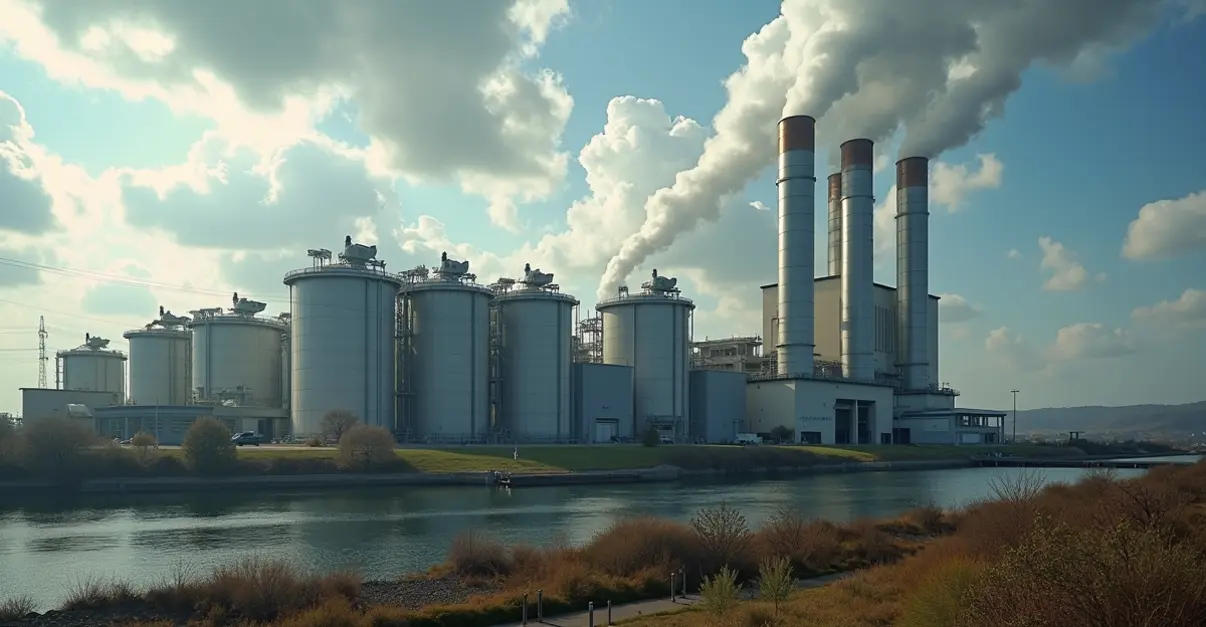
In a move that signals a seismic shift in corporate climate action, Microsoft has signed the largest-ever Direct Air Capture (DAC) carbon credit purchase agreement with Occidental Petroleum's subsidiary 1PointFive. The deal involves 500,000 metric tons of carbon dioxide removal credits over six years, enabled by the STRATOS facility in Texas - which will become the world's largest DAC plant when operational in mid-2025. This landmark agreement represents more than just a corporate sustainability commitment; it's reshaping policy landscapes, carbon markets, and community expectations around climate technology.
The Deal That Changes Everything
The Microsoft-1PointFive agreement, announced in early 2025, dwarfs previous carbon removal purchases and establishes new benchmarks for corporate climate action. The captured CO2 will be stored through subsurface saline sequestration and will not be used for oil and gas production, addressing concerns about carbon capture being used for enhanced oil recovery. 'This represents the largest single purchase of Direct Air Capture credits to date and supports our goal to become carbon negative by 2030,' said a Microsoft spokesperson in their official announcement.
According to Carbon Credits analysis, carbon credit offtake agreements surged to $12.25 billion in 2025, a dramatic increase from $3.95 billion in 2024. This represents less than 10% of current annual retirements but signals a major shift in market dynamics. The forward market shows a striking contrast with the spot market: while spot prices average around $6 per credit, offtake deals imply a weighted average price of $160 per credit.
Policy Implications and Market Transformation
The Microsoft deal arrives at a critical juncture for carbon removal policy. As noted in Sylvera's 2025 DAC analysis, the DAC market is maturing with capital still flowing and long-term offtake agreements in place, though U.S. federal support is cooling. States like California and New York are stepping up as federal support wavers, creating a patchwork of policies that companies must navigate.
'The premium reflects buyers' focus on securing high-integrity carbon removal credits for future net-zero compliance, rather than chasing current volume,' explains carbon market analyst Dr. Elena Rodriguez. 'Microsoft's deal shows corporations are willing to pay premium prices today to manage future supply risks and secure credits that meet stringent quality standards for long-term climate commitments.'
The research published in Earth's Future journal examines how different policy instruments affect the costs and deployment of clean energy technologies. The study characterizes various policy mechanisms and their impacts on both economic factors and implementation rates, providing valuable insights for policymakers working on climate change mitigation.
Community Impact and Local Considerations
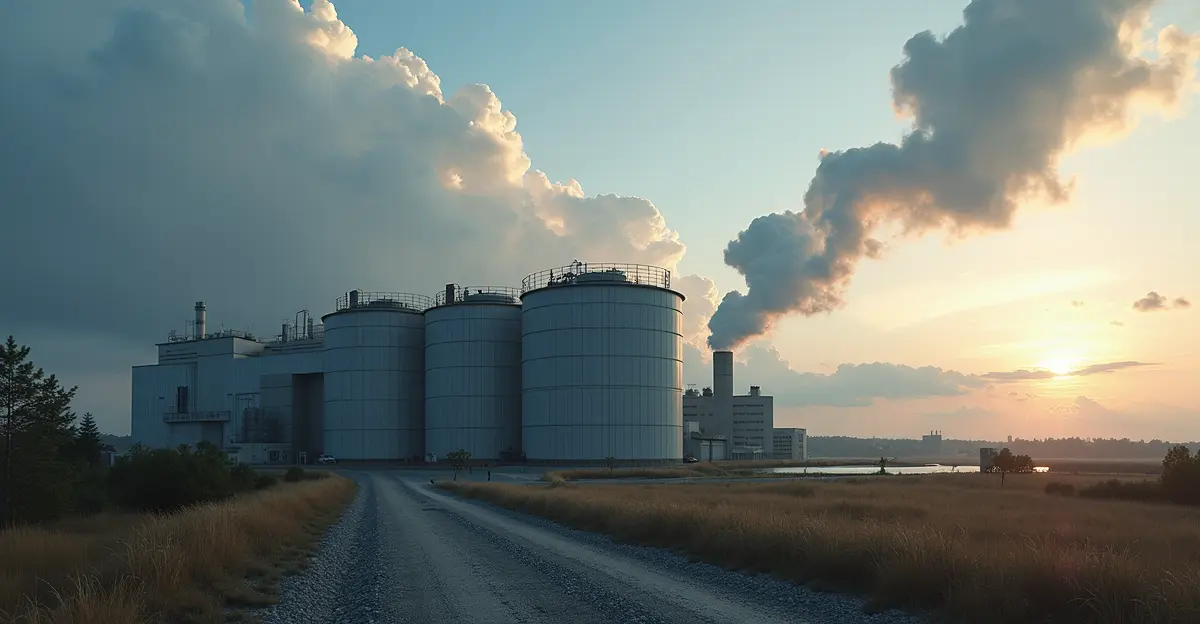
The STRATOS facility in Texas represents more than just technological innovation; it's becoming a focal point for community engagement and local economic development. While large-scale DAC projects promise job creation and economic benefits, they also raise questions about land use, water consumption, and energy requirements.
According to energy solutions analysis, DAC technology currently operates at $500-1,000 per tonne of CO2 removed, significantly higher than point-source carbon capture. Both liquid solvent and solid sorbent systems are energy-intensive, requiring tens of gigajoules per tonne. Current projects range from pilot plants (1 ktCO2/year at $900-1,200/t) to planned regional hubs (100 ktCO2/year+ targeting $300-600/t).
'The outlook to 2030 projects costs potentially falling to $250-450/tCO2 with global capacity reaching 10-60 MtCO2/year,' notes the analysis. 'Though reaching the $200/tCO2 target will require significant technological improvements and policy support.'
The Future of Carbon Markets
The Microsoft-1PointFive deal is part of a broader trend identified in the 2025 DAC market snapshot, which reveals that while DAC dominates funding and media attention, it accounts for only ~8% of contracted durable carbon removal. Key findings show 2.47 million tonnes of DAC credits contracted between 2022-2025-H1, but only 0.05% (1,186 tonnes) have been delivered.
Three companies (1PointFive, Climeworks, Heirloom) control 80% of DAC credits sold, with Microsoft as the leading buyer (833K tonnes). Investment has reached $2.3B since 2021, but deal sizes are dropping. The market faces challenges including high costs (demand limited above $500/t), deployment delays, and capital expenditure concerns.
'The sector is moving toward consolidation, with most companies likely to fold or be acquired as focus shifts from lab innovations to commercially viable engineering,' predicts industry observer Mark Thompson.
As corporations like Microsoft lead the way with massive offtake agreements, the carbon removal market is evolving from speculative investment to tangible climate solution. The success of these early deals will determine whether DAC can scale sufficiently to make meaningful contributions to global climate goals while creating sustainable economic opportunities for communities hosting these transformative technologies.



Follow Discussion