Nederlands
 English
 Deutsch
 Français
 Español
 Português





Urban Food Hubs Scale Up to Support Local Markets and Create Jobs
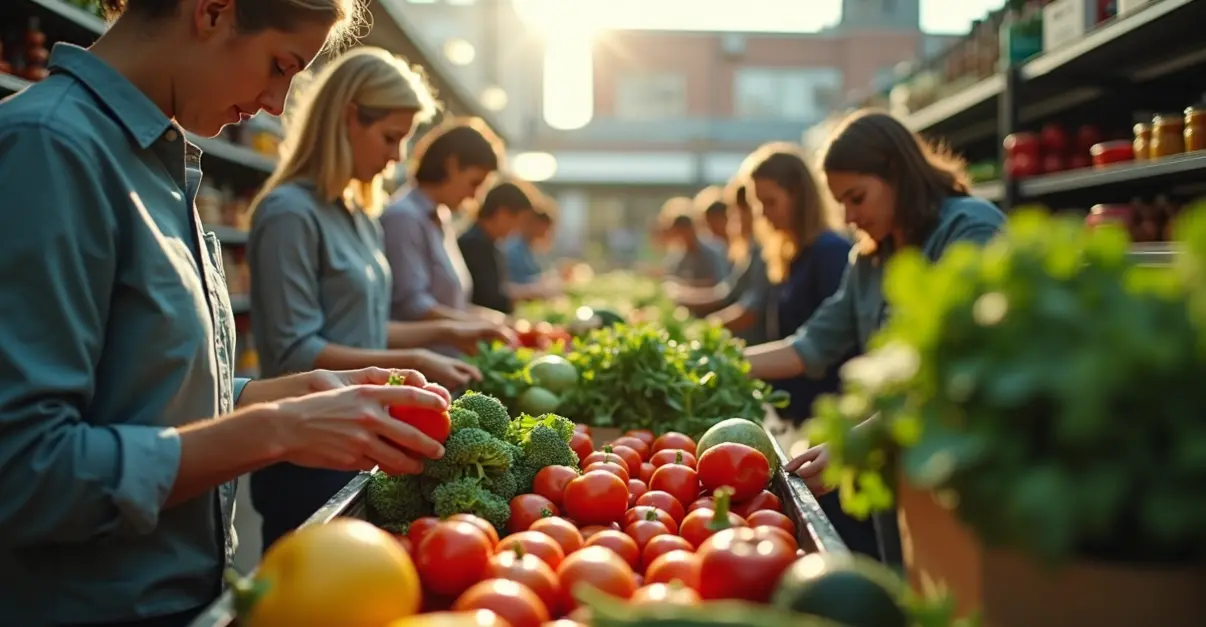
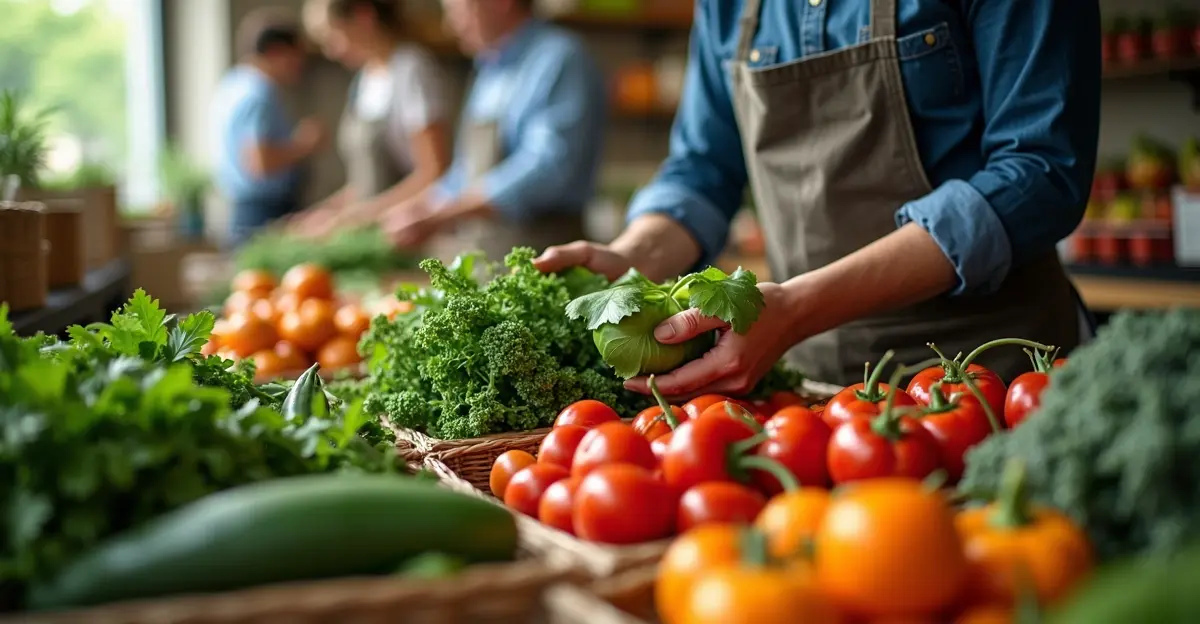
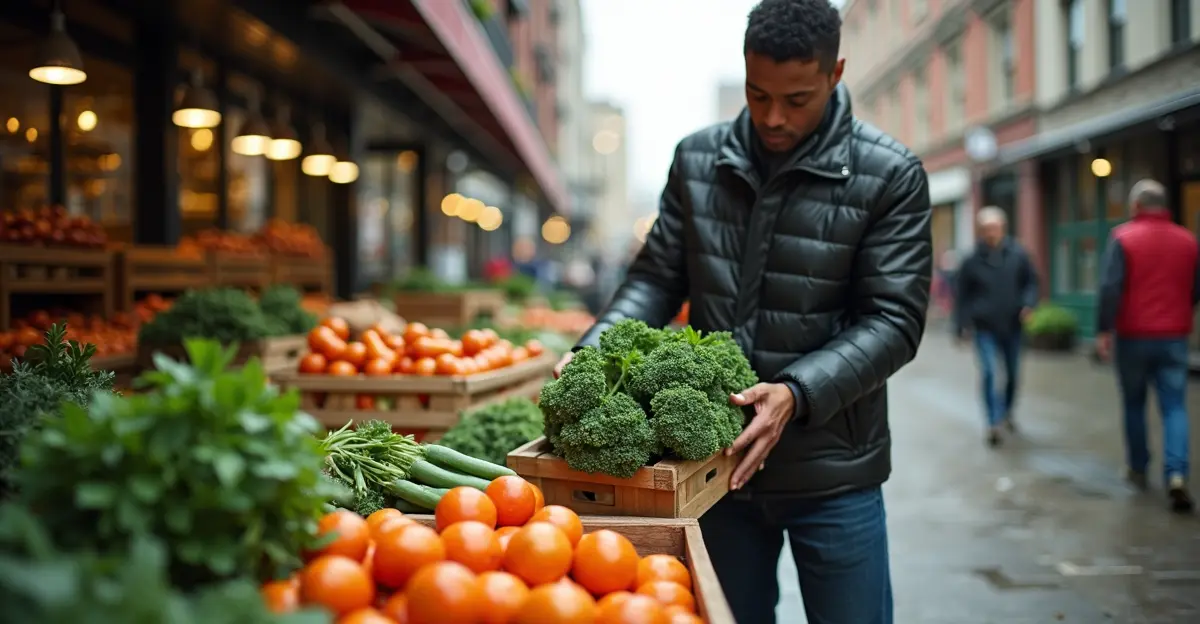
Across cities worldwide, a quiet revolution is transforming how communities access fresh food while creating meaningful employment opportunities. Urban food hubs—centralized facilities that connect local farmers with consumers—are expanding rapidly, with new programs focusing on community procurement logistics training that's delivering tangible job outcomes.
The Rise of Community-Led Food Systems
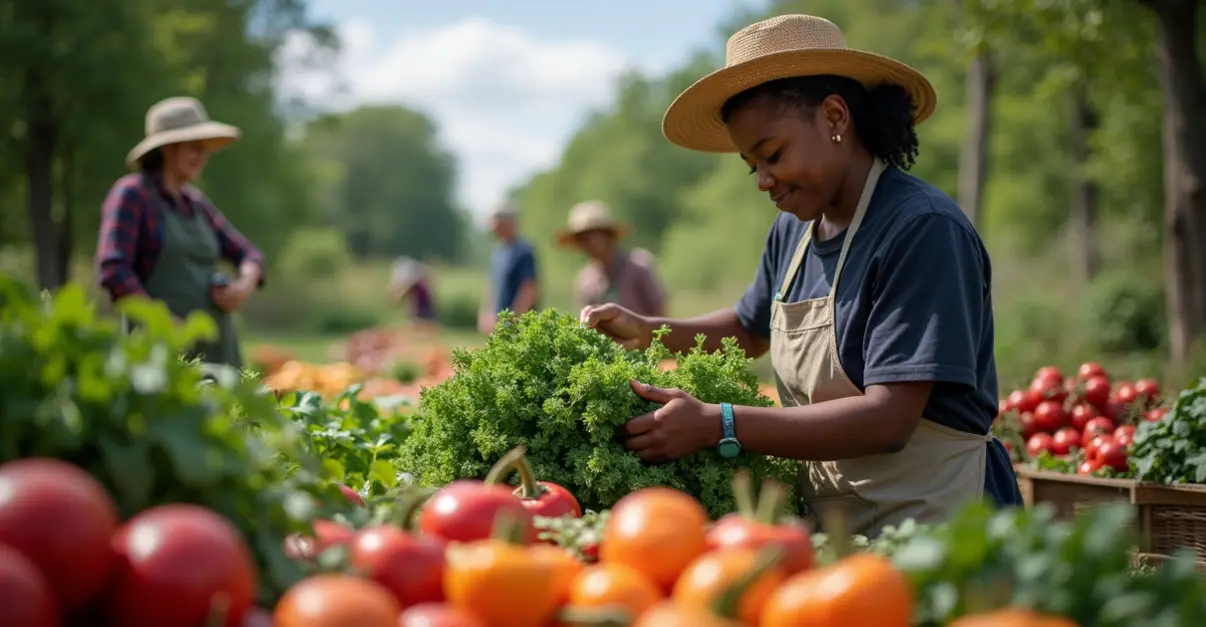
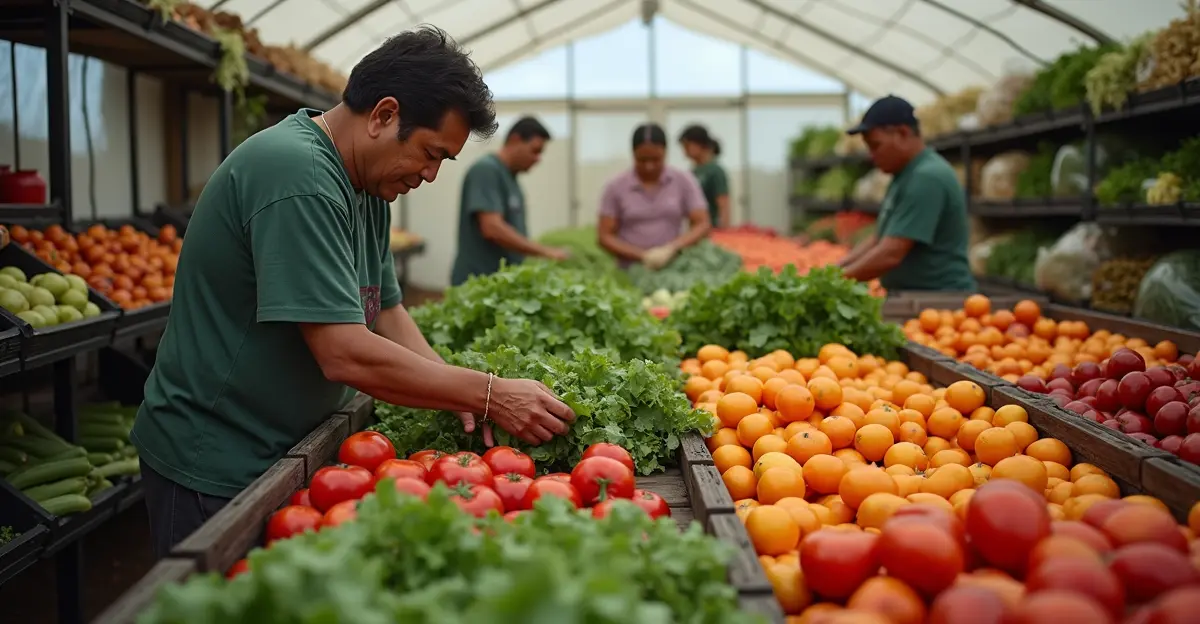
According to recent research published in ScienceDirect, urban food hubs represent a novel model for surplus food redistribution that's gaining momentum in cities from Milan to Detroit. These hubs serve as intermediaries, collecting produce from local farmers that might otherwise go to waste and distributing it to communities, schools, and institutions.
'What started as a small cooperative effort has grown into a movement that's creating jobs while reducing food waste,' says Maria Rodriguez, director of a Brooklyn-based food hub that's trained over 50 people in logistics and procurement over the past year. 'We're seeing people who were previously unemployed finding stable work in food safety, transportation, and community outreach.'
Logistics Training Programs Driving Employment
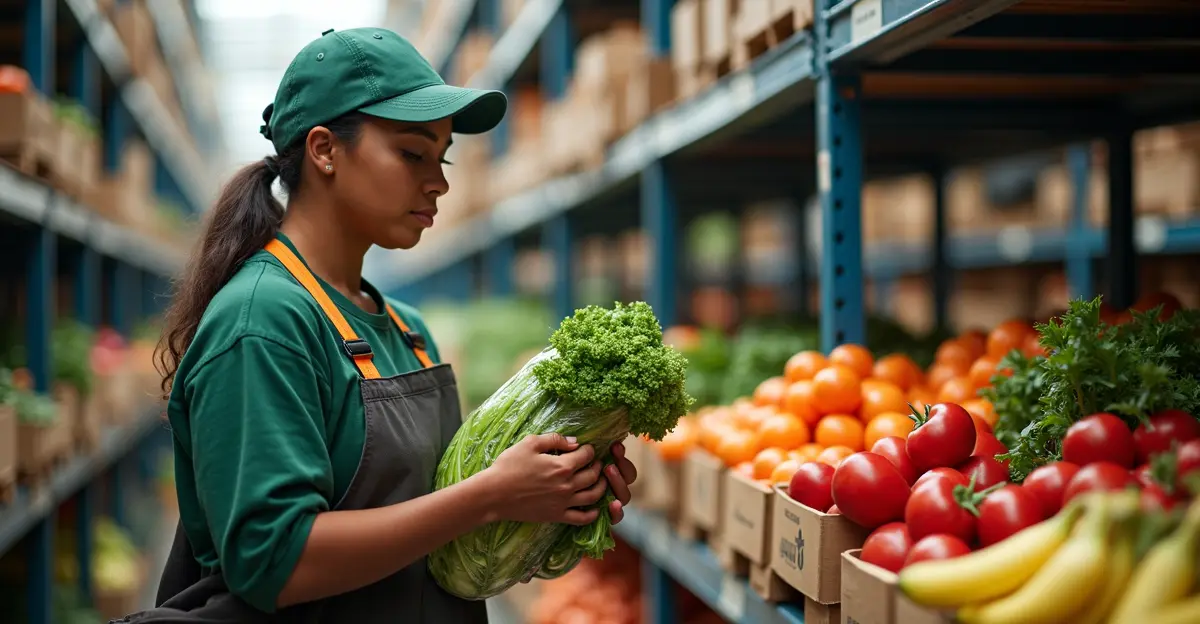
The workforce development aspect of urban food hubs is proving particularly impactful. Programs like the L.O.G.I.C. (Logistics, Operations, Goods, Inventory, and Control) initiative at the Food Bank of Delaware provide comprehensive warehousing and logistics training that leads directly to employment. According to their website, 21 graduates started 2026 with fresh career opportunities, with many finding work in the very food hubs where they trained.
These training programs typically last 14 weeks and cover essential skills including forklift operation, inventory management, food safety protocols, and supply chain coordination. 'The training gave me confidence I never knew I had,' says Sharonda Carithers, a recent graduate quoted on the program's site. 'Now I have a career path instead of just a job.'
Environmental and Economic Benefits
The environmental impact of these urban food hubs is substantial. Research indicates that a single food hub can generate annual net savings of 107 tons of CO₂ equivalent while recovering approximately 140,000 meals annually for 3,000 beneficiaries. Economically, the value of recovered food is 12.21 times the costs of recovery and redistribution, making these initiatives financially sustainable.
Local cooperatives are launching urban food hubs that represent what Informed Clearly calls 'a community-led revolution in food systems.' These hubs enable collective purchasing power, reducing costs by 10-20% compared to retail alternatives while ensuring fair compensation for producers.
Challenges and Future Outlook
Despite their success, urban food hubs face significant challenges. Regulatory hurdles, initial investment requirements, and the need for specialized training resources present obstacles to expansion. The 'Many Hats: A Food Hub Operator's Toolkit' published by Local Food Economics in August 2025 addresses these challenges by providing practical tools for operators who must manage multiple aspects of food hub operations.
The industry also faces broader workforce challenges. According to Food Logistics, the U.S. transport and logistics sector loses $7.7 billion annually due to middle managers wasting 5.52 hours weekly on low-value tasks, highlighting the need for efficient training programs.
'We're building more than just food distribution centers,' explains Daniel Takahashi, an expert in urban food systems. 'We're creating community anchors that provide employment, reduce environmental impact, and strengthen local economies. The training programs are essential—they turn community members into skilled professionals who can operate these complex systems.'
As cities continue to grapple with food insecurity and employment challenges, urban food hubs with integrated training programs offer a promising solution. With their triple benefit of reducing waste, creating jobs, and improving food access, these community-driven initiatives are likely to continue expanding in the coming years, supported by growing recognition of their value in building resilient urban food systems.