Nederlands
 English
 Deutsch
 Français
 Español
 Português





Major Infrastructure Investment to Combat Urban Flooding
In a significant move to enhance urban resilience against climate change impacts, a major storm drain upgrade contract has been awarded to address growing flooding concerns in metropolitan areas. The multi-million dollar infrastructure project represents a critical investment in public safety and environmental protection as cities worldwide grapple with increasingly severe weather patterns.
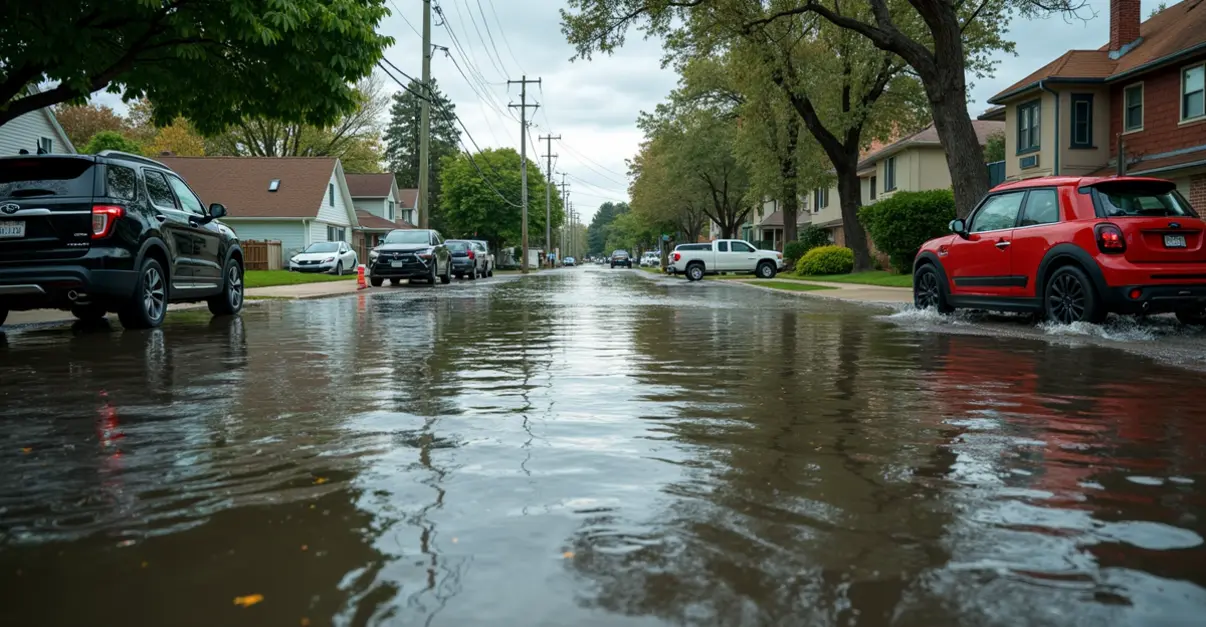
The contract, awarded to a consortium of engineering firms, focuses on upgrading aging stormwater management systems that have proven inadequate during recent extreme weather events. 'This isn't just about fixing pipes—it's about protecting our communities from the devastating effects of climate change,' said Victoria González, infrastructure policy analyst. 'We're seeing more frequent and intense rainfall events that overwhelm our current systems, leading to property damage, business disruptions, and threats to public safety.'
Project Scope and Technical Specifications
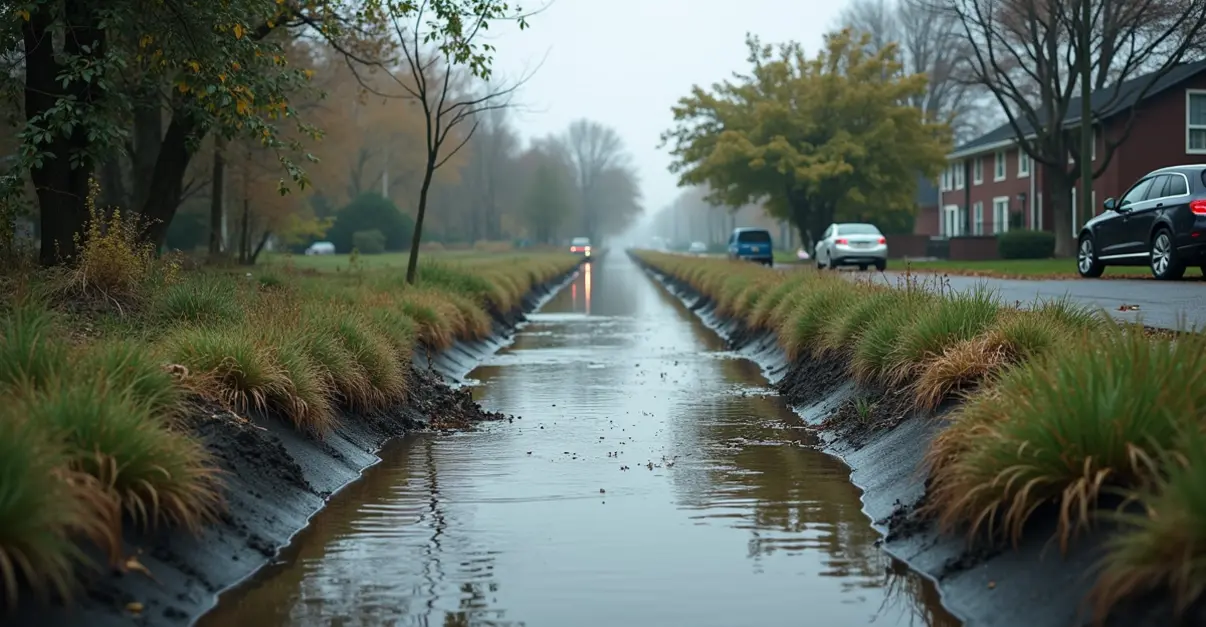
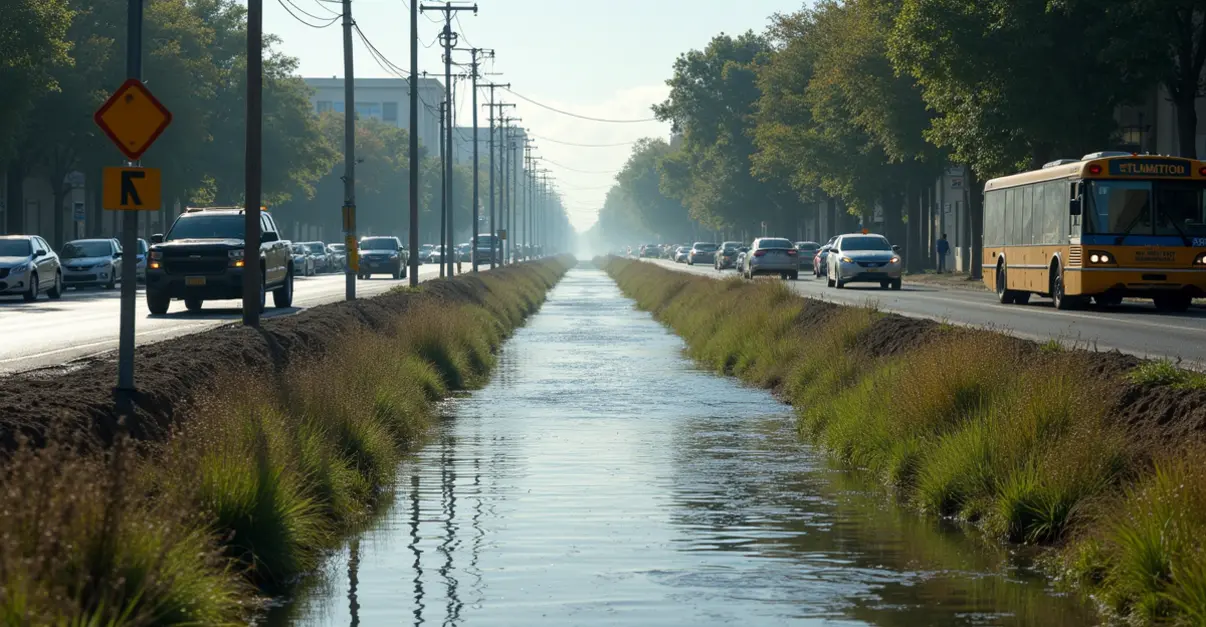
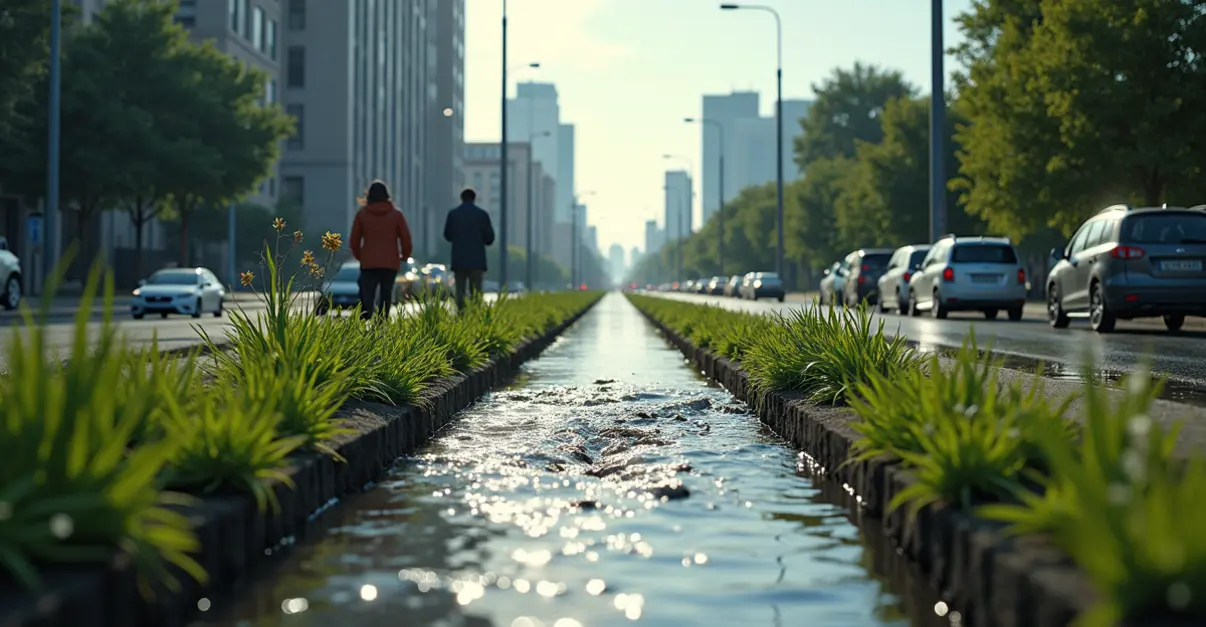
The upgrade project encompasses several key components designed to significantly improve drainage capacity and efficiency. According to technical documents, the work includes installing larger diameter pipes, adding smart monitoring systems, and implementing green infrastructure solutions like bioswales and permeable pavements. These measures aim to increase the system's capacity by approximately 700% over current levels, providing protection against 100-year storm events.
The project will add over 36 kilometers of new drainage lines serving critical urban areas including commercial districts, residential neighborhoods, and transportation corridors. 'We're not just building for today—we're building for the next century,' explained project manager David Chen. 'The upgraded system incorporates climate projections and urban growth models to ensure it remains effective as our city evolves.'
Policy Implications and Funding Mechanisms
This contract award comes at a crucial time for infrastructure policy, particularly as federal hazard mitigation programs face uncertainty. The project is partially funded through innovative financing mechanisms including municipal bonds, federal grants, and public-private partnerships. 'The elimination of some FEMA hazard mitigation programs has created a funding gap that cities must address creatively,' noted González. 'This project demonstrates how local governments can leverage multiple funding sources to protect their communities.'
The investment aligns with broader policy trends emphasizing climate resilience and sustainable urban development. Recent analysis from the MS4 National Management Systems Association highlights the need for comprehensive stormwater program enhancements nationwide. The document outlines recommendations for improving regulatory frameworks, increasing funding, and adopting innovative technologies to address stormwater management challenges.
Community Impact and Economic Benefits
Beyond flood prevention, the storm drain upgrades promise significant community benefits. The project is expected to create hundreds of construction jobs over its three-year implementation period, with additional long-term employment in maintenance and monitoring roles. Local businesses in flood-prone areas anticipate reduced insurance costs and fewer weather-related disruptions once the system is operational.
'For years, our basement has flooded every time we get heavy rain,' shared Maria Rodriguez, a resident in one of the project areas. 'Knowing that the city is investing in real solutions gives us peace of mind and protects our biggest investment—our home.'
The economic analysis suggests the project will yield a 4:1 return on investment through avoided property damage, reduced emergency response costs, and increased property values in protected areas. Environmental benefits include improved water quality in local waterways and enhanced urban green spaces through integrated green infrastructure components.
Implementation Timeline and Challenges
Construction is scheduled to begin in early 2026, with phased completion through 2028. The project team acknowledges several challenges including coordinating with existing utilities, minimizing disruption to traffic and businesses, and adapting to unexpected site conditions. Advanced construction techniques like trenchless technology will be employed to reduce surface disruption in densely populated areas.
The contract includes performance-based incentives tied to timely completion and system effectiveness metrics. Regular community updates and stakeholder engagement sessions are planned throughout the construction period to address concerns and maintain transparency. Similar projects in other cities, like San Diego's $4 million storm infrastructure improvements and Dubai's ambitious Tasreef stormwater drainage initiative, provide valuable lessons for implementation best practices.
As climate change continues to intensify weather patterns, investments in resilient infrastructure like these storm drain upgrades become increasingly critical for urban sustainability and public safety. The project represents a forward-looking approach to urban planning that prioritizes long-term resilience over short-term cost considerations.