Nederlands
 English
 Deutsch
 Français
 Español
 Português






Global Innovation Lab Launches 2026 Call for Climate Finance Solutions
The Global Innovation Lab for Climate Finance has officially opened applications for its 2026 cycle, inviting innovators, organizations, and consortia to submit proposals for eight groundbreaking climate finance vehicles. With a deadline of November 9, 2025, this initiative represents a critical opportunity to accelerate climate action in emerging markets through innovative financial mechanisms.
'This call represents a pivotal moment for climate finance innovation,' said a spokesperson from the Lab. 'We're looking for market-driven solutions that can unlock private capital for both mitigation and adaptation challenges across key regions.'
What the Facility Offers
Selected applicants will receive comprehensive support including expert mentorship, technical assistance, financial modeling guidance, and networking opportunities with global climate finance leaders. A particularly attractive feature is the Pre-Seed Capital Facility, which offers conditional grants ranging from $150,000 to $250,000 to accelerate implementation of the most promising ideas.
The Lab, funded by Bloomberg Philanthropies, UNDP, and the governments of Canada, Germany, and the UK, has an impressive track record. Since its inception, it has launched 87 financial instruments that have mobilized nearly $4.4 billion for climate action in emerging economies.
Regional Focus and Priorities
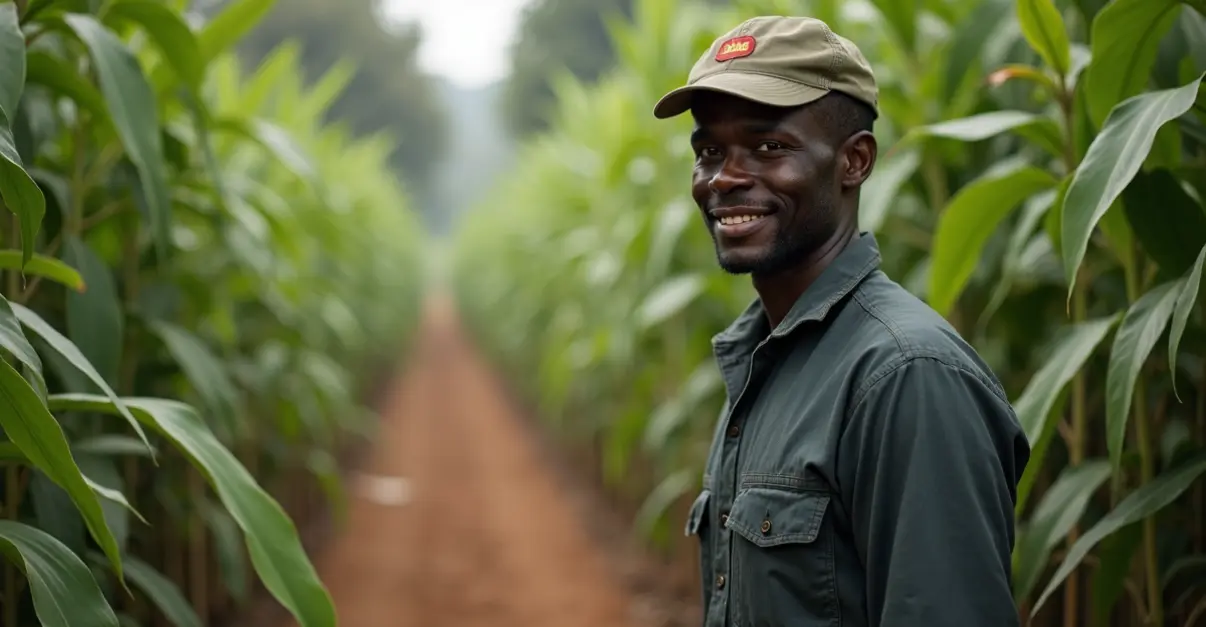
The 2026 cycle targets specific regional challenges across Africa, Asia-Pacific, Brazil, India, Latin America, and the Philippines. Each region has distinct priorities: Africa focuses on mitigation and sustainable agriculture; Asia-Pacific emphasizes mitigation solutions; Brazil and India have comprehensive climate agendas; while Latin America and the Philippines prioritize adaptation alongside mitigation efforts.
'The regional approach ensures solutions are context-specific and address local climate vulnerabilities,' explained a climate finance expert from the Climate Policy Initiative. 'This isn't a one-size-fits-all program—it's about developing financial tools that work within specific economic and environmental contexts.'
Policy Implications and Market Impact
The timing of this call is significant, coming during a pivotal year for global climate policy. With major conferences including the Finance in Common Summit, Financing for Development Conference, G20 Summit, and COP30 scheduled for 2025-2026, successful proposals could influence international climate finance architecture.
According to the 2025 Policy Bulletin from Climate Policy Initiative, public development banks play an integral role in implementing climate agendas through financial support and stakeholder mobilization. The Lab's initiative aligns with recommendations for operationalizing Paris Alignment and enhancing public-private collaborations.
The 4th report from the Independent High-Level Expert Group on Climate Finance, published in November 2025, emphasizes the need for integrated financial strategies to support climate action. This facility directly addresses that need by incubating innovative mechanisms that can bridge financing gaps.
Community Benefits and Just Transition
Beyond market impacts, the facility has significant implications for vulnerable communities. Many of the Lab's previous successes have focused on solutions benefiting low-income populations, indigenous communities, and smallholder farmers. The 2025 cohort, for instance, included the Community Equity Opportunity Fund for renewable energy projects benefiting indigenous communities in Latin America.
'Climate finance must serve those most affected by climate change,' noted a representative from The Nature Conservancy. 'Innovative facilities like this can channel resources to communities building resilience against climate impacts while creating economic opportunities.'
The Lab evaluates proposals based on five criteria: actionable pathways to implementation, catalytic potential to mobilize additional finance, innovation in financial design, financial sustainability, and value addition beyond existing solutions.
Application Process and Timeline
Interested applicants must submit preliminary applications by November 9, 2025. Successful candidates will be invited to submit full proposals in December 2025, with selection announced in early 2026. The development phase runs from March to August 2026, followed by endorsement in September and implementation beginning October 2026.
The initiative welcomes applications from individuals, organizations, and consortia with market-driven financial solutions that can attract private capital. While the focus is on emerging markets, innovative ideas with global applicability are also considered.
As climate finance gaps continue to widen—with developing countries needing an estimated $2.4 trillion annually by 2030 for climate action—facilities like this represent crucial mechanisms for mobilizing private investment and developing scalable solutions.